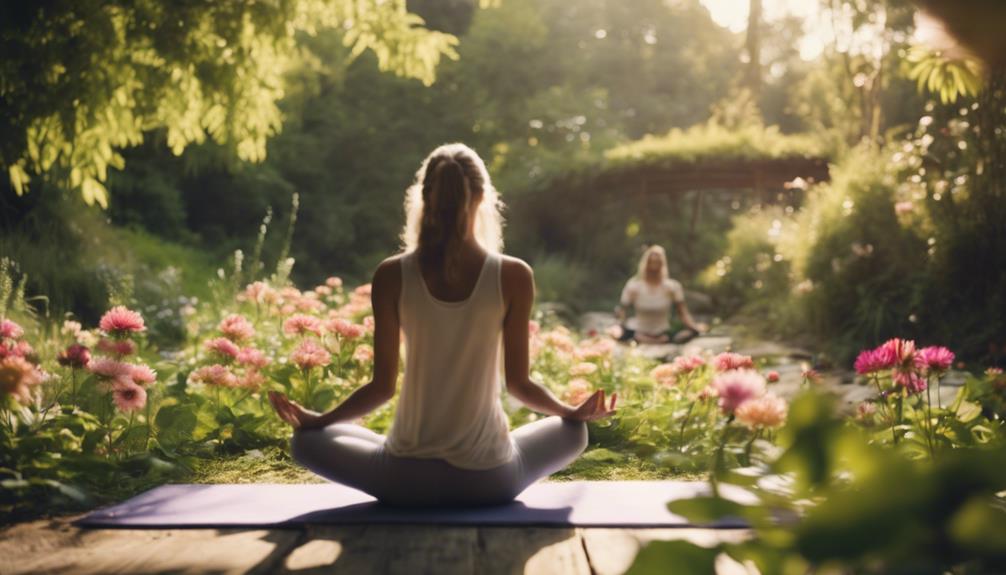

A yoga retreat can be anything from a quiet weekend of restorative practice to a two-week immersion with daily classes, meditation, and focused workshops. The right setting and schedule can make the experience more rewarding, but the best choice depends on what you want to learn, change, or simply step away from.
Start with your reason for going
Before comparing destinations, decide what you want from the retreat. Your intention might be rest, a stronger physical practice, meditation, time in nature, or a chance to study a particular aspect of yoga. Being clear about this will help you distinguish between programs that may look similar but offer very different experiences.
Consider whether you are looking for:
- A gentle, restorative break from a busy routine
- More challenging daily classes or yoga intensives
- Dedicated meditation, breathwork, or periods of silence
- Workshops focused on alignment, philosophy, or specific techniques
- A social yoga vacation with excursions and shared activities
- Time and structure for developing a personal practice
Also think about your experience level, physical needs, and preferred teaching style. A retreat centred on athletic classes may not suit someone seeking therapeutic movement, while a highly contemplative program may feel too quiet for someone expecting a busy schedule.
Choose a format and duration that fits your life
Weekend yoga retreats are useful when you want a concentrated reset without taking extensive time away from work or family. They often combine several classes with one or two workshops, meditation sessions, and time to rest. Because the schedule is compact, it is worth checking how much free time is actually available.
A week-long retreat offers more room to settle into a rhythm. You may have time for morning practice, afternoon learning, personal reflection, and optional activities without every part of the day feeling rushed. A two-week yoga retreat is better suited to people seeking sustained immersion, an extended period of study, or a deeper break from familiar routines.
Longer does not automatically mean better. Choose a duration that allows you to participate fully without creating unnecessary pressure around travel, cost, or time away from home.
Look closely at the program
Read the full schedule rather than relying only on promotional descriptions. Check how many classes are included, whether attendance is required, and how much time is set aside for meals, rest, and independent practice. A balanced retreat should make its expectations clear.
Workshops and special events can give a retreat a distinct focus. Depending on the program, these might include:
- Alignment and technique sessions
- Pranayama or meditation intensives
- Yoga philosophy discussions
- Movement or anatomy-based learning
- Guided self-practice sessions
- Community gatherings, music, or reflective group conversations
Review the teachers’ biographies and the description of their approach. If the retreat follows a particular lineage or method, make sure it is explained clearly and matches your interests. For a specialist workshop or teacher-training module, ask about prerequisites before booking.
Evaluate the setting and accommodation
The location affects the character of the retreat. A remote mountain or coastal setting may support quiet reflection, while a retreat near a town may provide easier transport and access to activities. Neither option is inherently better; the important question is whether the environment supports your intention.
Confirm practical details such as:
- Room type and bathroom arrangements
- Distance from the nearest airport, station, or town
- Transport options and whether transfers are included
- Indoor and outdoor practice spaces
- Weather conditions during the retreat dates
- Availability of internet and mobile service
A yoga resort may include features such as spa treatments, a pool, organised excursions, or more extensive dining options. A simpler retreat centre may place greater emphasis on shared routines and uninterrupted practice. Compare the actual experience rather than assuming that a higher price guarantees a better fit.
Check food, health, and accessibility arrangements
Meals are often a significant part of retreat life. Ask what is included, how frequently food is served, and whether vegetarian, vegan, allergy-aware, or other dietary requirements can be accommodated. Communicate important needs before arrival instead of assuming they can be handled on site.
If you have an injury, health condition, or mobility requirement, contact the organisers with specific questions. Find out whether teachers offer modifications, whether the accommodation is accessible, and what medical or emergency support is available nearby.
Prepare without overpacking your schedule
Bring comfortable practice clothing, layers suited to the climate, personal toiletries, any required medication, and a journal if you enjoy recording thoughts after classes. A mat may be provided, but confirm this in advance. Leave space for rest; a retreat is not improved by filling every free hour with additional activities.
When possible, allow a little time before and after the retreat for travel and adjustment. Returning directly to a full schedule can make it harder to absorb what you learned and carry useful practices into daily life.
Make the decision with intention
The right place for a yoga retreat is the one whose teachers, schedule, surroundings, comfort level, and cost align with your actual priorities. Whether you choose a nearby weekend program, a specialised workshop, or a two-week yoga and meditation retreat, read the details carefully and ask questions before committing. A thoughtful choice can turn a short getaway into meaningful time for practice, rest, and reflection.