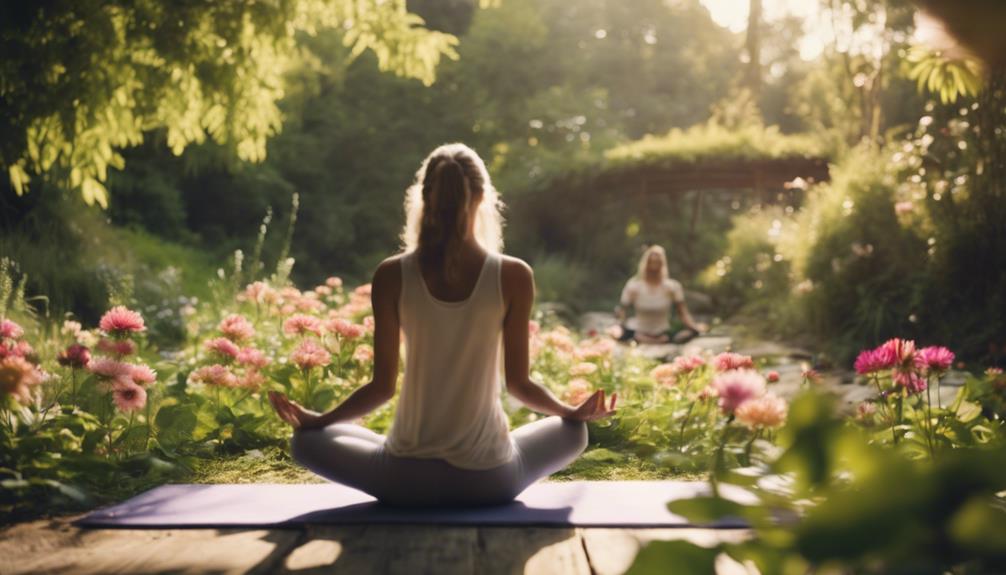
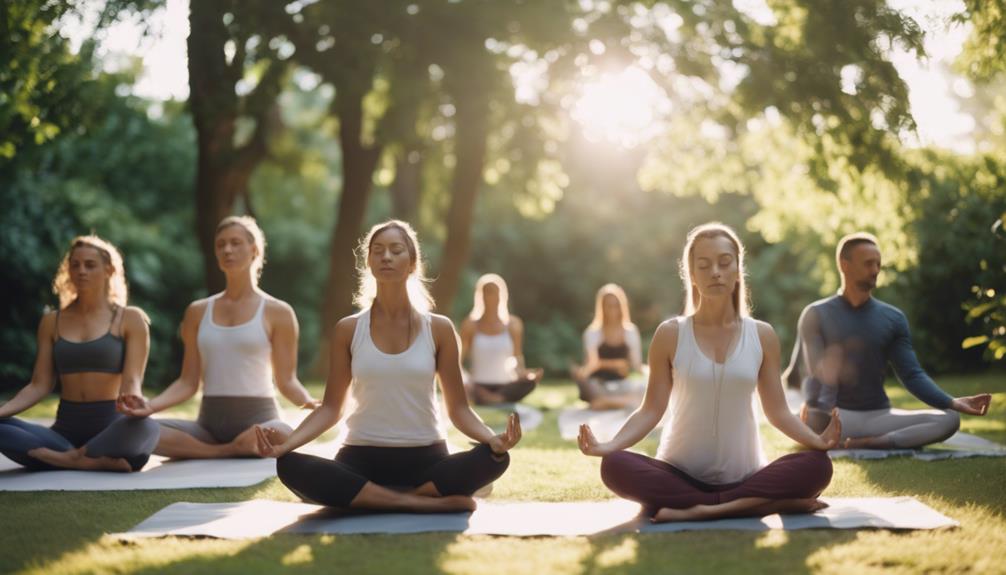
Spiritual retreats in the Himalayas offer a rare opportunity to step away from ordinary routines and give sustained attention to meditation, yoga, breathwork, and self-reflection. The mountain setting can support this process, but the value of a retreat depends just as much on its teachers, schedule, atmosphere, and suitability for your experience as it does on the scenery. Many Himalayan spiritual retreats complement their contemplative settings with guided yoga workshops and enriching events for mindful travelers.
Programs range from short yoga workshops to month-long residential stays. Some are highly structured, while others leave more time for silence and independent practice. Understanding these differences will help you choose a retreat that matches your intentions, physical capacity, and preferred approach to spiritual learning.
Why Choose a Himalayan Retreat?
A retreat creates distance from the interruptions of work, family responsibilities, and digital communication. In the Himalayas, this change of environment is often reinforced by quiet surroundings, mountain air, forested landscapes, and the slower rhythm of local life. These conditions can make it easier to settle into a regular routine and notice patterns of thought, stress, and attention.
The setting is not a substitute for practice, nor does it guarantee a particular spiritual outcome. Instead, it provides a supportive context for consistent effort. With fewer distractions and guidance from experienced teachers, participants may be able to explore practices that are difficult to maintain at home.
Different Types of Retreats
Before booking, identify what the program actually emphasizes. A retreat described as spiritual may focus primarily on yoga, meditation, devotional practice, study, or service. Common formats include:
- Meditation retreats: These may include extended sitting, mindfulness instruction, guided practices, periods of silence, and time for contemplation.
- Yoga retreats: These generally combine asana practice with pranayama, meditation, philosophy, or workshops designed to develop a deeper understanding of yoga.
- Silent retreats: These place particular importance on reduced conversation and inward attention. The schedule may include several practice periods throughout the day.
- Residential or work-study programs: These combine spiritual practice with practical responsibilities or community participation.
- Integrated retreats: These may include chanting, satsang, nature walks, cultural visits, or visits to nearby temples alongside formal practice.
A Himalayan meditation retreat may suit someone seeking stillness and concentration, while a yoga workshop may be more appropriate for a participant who wants physical practice, technique, or teaching-related study. Read the full schedule rather than relying only on the retreat’s name.
How to Select the Right Retreat
The best retreat is one whose demands and teaching approach are clear before you arrive. Review the following details:
- The teachers’ experience, training, and spiritual lineage
- The number and length of daily meditation, yoga, or study sessions
- Whether attendance is compulsory for every activity
- The amount of silence and personal time
- Accommodation, bathroom facilities, and meal arrangements
- Whether the program welcomes beginners or expects prior experience
- Travel logistics, elevation, weather, and access to medical support
Beginners may prefer a gradual schedule, clear instruction, and the ability to modify practices. More experienced practitioners might look for longer periods of sitting, advanced pranayama, concentrated study, or teacher-training modules. Contact the organizers if the description leaves important questions unanswered.
Preparing for Mountain Conditions
A regular home practice can make the transition easier. Before leaving, try building a manageable routine that includes gentle yoga, meditation, and basic breath awareness. This is more useful than suddenly attempting long sessions without preparation. Explore Himalayan spiritual escapes for peaceful journeys that deepen reflection, renewal, and connection with nature.
Mountain conditions also require practical planning. If the retreat is at a high elevation, allow time for acclimatization where possible and follow local guidance about exertion and hydration. Pack layered clothing, warm socks, comfortable practice clothes, sturdy footwear, personal medicines, and any small items that help you sit comfortably. Confirm what the retreat supplies before bringing bulky equipment.
Mental preparation matters as well. Set an intention, but keep it flexible. A retreat may bring clarity, discomfort, boredom, emotional reactions, or unexpected changes in perspective. Approaching the experience with patience is usually more helpful than expecting a dramatic breakthrough.
A Typical Day at a Himalayan Retreat
Schedules vary, but many retreats begin early with meditation, chanting, or pranayama. A yoga session may follow, along with a simple breakfast. The middle of the day can include teachings, workshops, study, walking meditation, journaling, or quiet rest. Evenings may be reserved for satsang, discussion, chanting, or silence.
Meals are often simple and designed to support a consistent practice schedule. Participants should still communicate dietary needs in advance and avoid assuming that every retreat follows the same food tradition or provides the same level of choice.
Bringing the Experience Home
The transition back to work and family life is part of the retreat, not an afterthought. Instead of trying to reproduce the entire mountain schedule, choose a few practices that can realistically continue at home. A short daily meditation, several rounds of mindful breathing, a modest asana sequence, or a quiet evening routine can preserve the retreat’s sense of attention.
Journaling can help identify which insights are practical and which expectations need reconsideration. Continued participation in local yoga workshops and events, contact with a teacher, or a regular meditation group may also provide structure after returning.
A Himalayan retreat is best understood as a period of focused practice rather than an escape from ordinary life. Choose carefully, respect your physical limits, engage sincerely with the schedule, and give yourself time to integrate what you learn. The most lasting result may be a simpler, steadier way of bringing presence into everyday activities.