A spiritual retreat can offer a welcome change of pace from New York City’s constant movement. Some programs take place in the city and last a single day, while others lead participants to the Hudson Valley, Catskills, or other nearby areas for a weekend or longer period of quiet practice. Depending on your goals, a retreat may center on meditation, yoga, silence, nature, personal reflection, or a combination of these approaches. Explore mindful yoga gatherings in NYC to deepen the restorative practices introduced during your spiritual retreat.
The most useful retreat is not necessarily the longest or most remote. It is the one whose schedule, setting, teaching style, and level of intensity match what you genuinely need.
Why choose a retreat near New York City?
Retreats within reach of the city make it possible to step away from familiar routines without requiring an extended journey. A daylong program or weekend retreat may be easier to fit around work, family responsibilities, and other commitments than a longer residential stay. At the same time, traveling to a quieter setting can create more space for concentration than an ordinary class or home practice.
Options range from urban meditation sessions and yoga workshops to residential retreats in more rural surroundings. Upstate New York, the Hudson Valley, and the Catskills are commonly associated with retreat experiences that include quiet accommodations, group practice, and time outdoors.
Types of spiritual retreats to consider
Meditation retreats
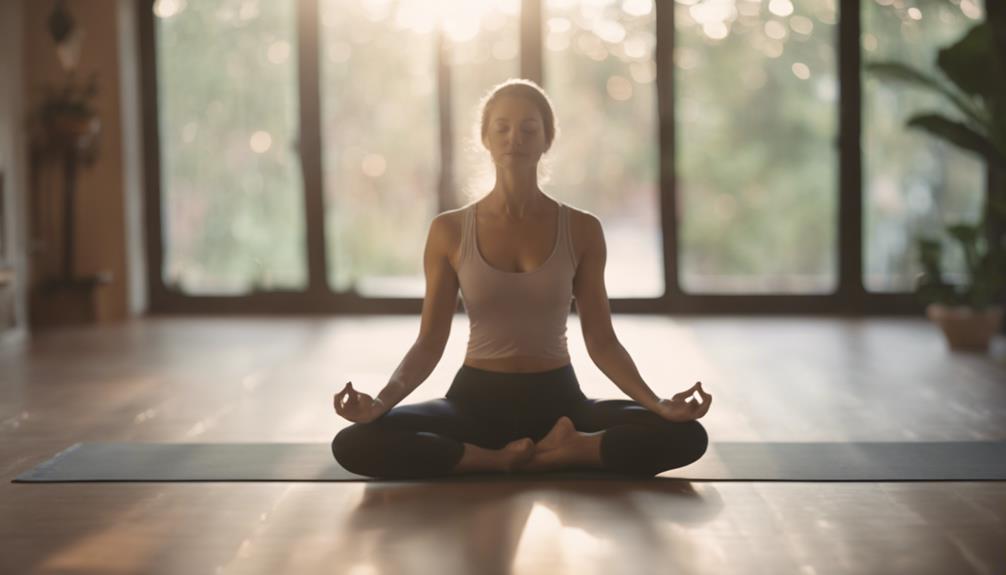
A meditation retreat may include guided instruction, sitting meditation, walking meditation, periods of silence, and opportunities for questions or discussion. Some programs are designed for beginners, while others assume that participants already have an established practice. Review the experience requirements before booking.
Silent retreats
A silent retreat is structured to reduce conversation and outside distractions. The schedule may include repeated periods of sitting and walking meditation, simple meals, instructional talks, and designated times for rest. This format can be rewarding for people who want sustained inward attention, but its intensity may not suit everyone. Understanding the daily timetable and expectations in advance is especially important.
Yoga and meditation retreats
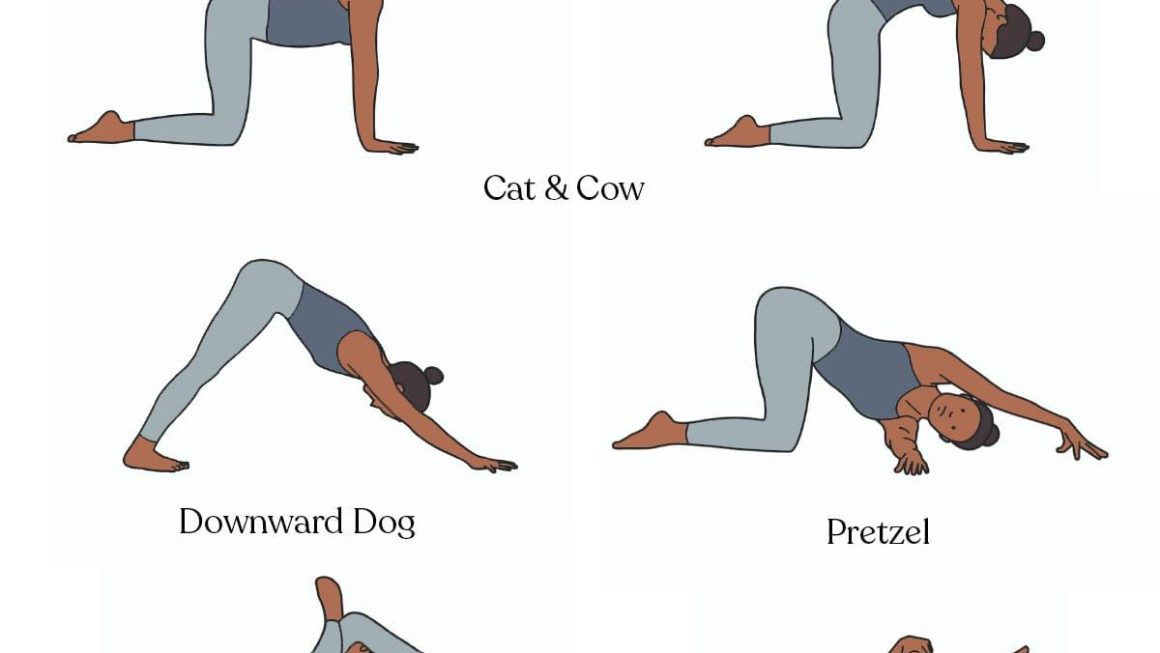
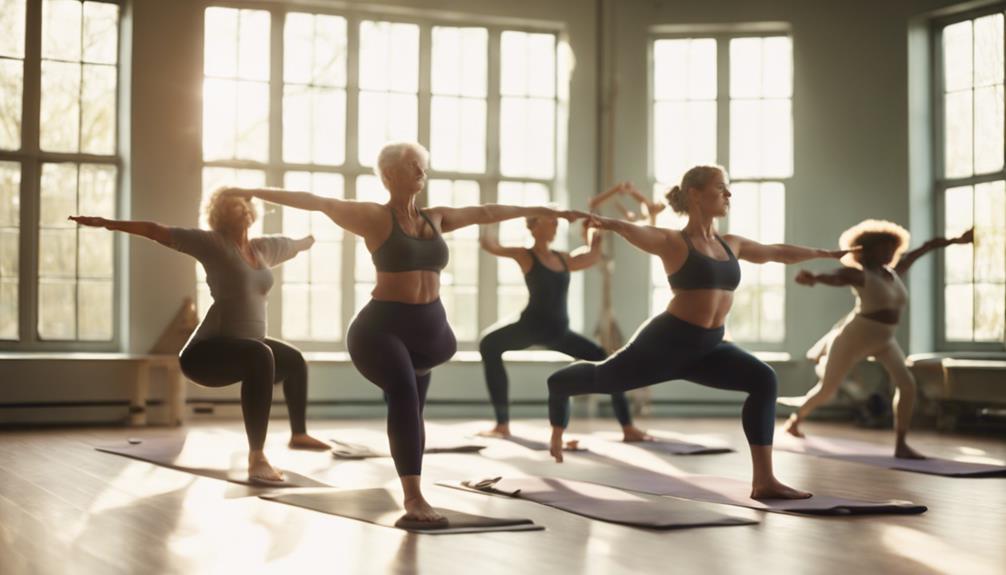
Some retreats combine meditation with yoga, breathwork, restorative movement, or contemplative activities. These programs can be a good fit if you want both physical practice and stillness. They also connect naturally with the broader world of yoga workshops and events, including weekend programs and seasonal gatherings.
Nature-based and residential retreats
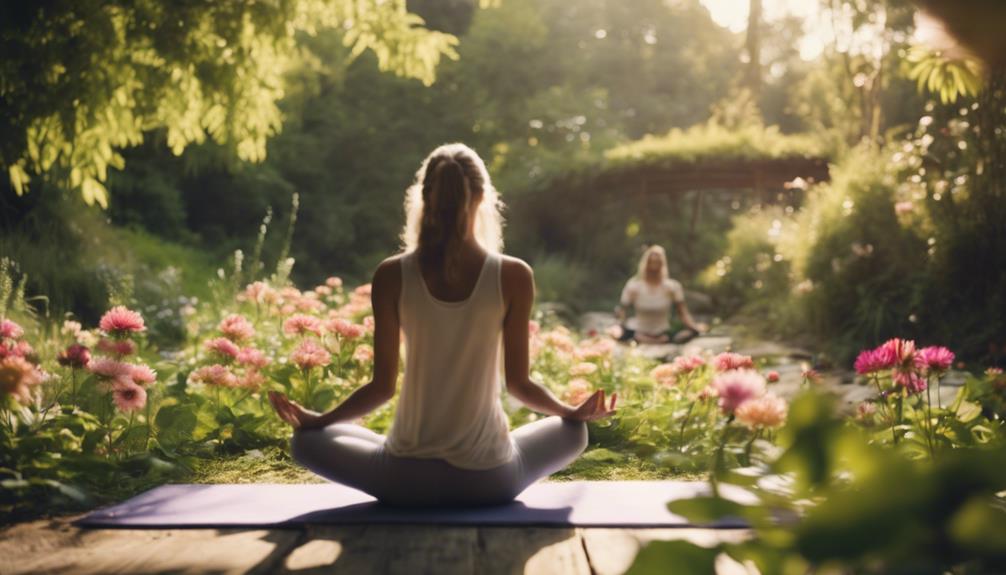
Retreats in the Catskills or Hudson Valley may include access to wooded surroundings, scenic walks, or time for quiet reflection outdoors. Lodging can range from rustic accommodations to more polished residential facilities. The setting matters, but it should be evaluated alongside the program itself: a beautiful location cannot replace clear instruction and a schedule that suits your needs. Explore retreat website examples to compare schedules, teachings, and booking details before choosing a spiritual getaway in NYC.
How to choose the right retreat
Begin with a straightforward question: what do you hope to take away from the experience? Your answer can help narrow the choices.
- For quiet and reflection: consider a silent or residential retreat with a clearly defined meditation schedule.
- For practical skills: look for a meditation program that explains techniques and offers guidance you can continue at home.
- For movement and restoration: explore retreats that combine yoga, breathwork, and meditation.
- For flexibility: consider a daylong retreat or an urban program closer to home.
- For community: look for group discussion, shared activities, or opportunities to continue practicing with others.
Before registering, examine the teacher’s background or lineage, the intensity of the schedule, lodging arrangements, meals, accessibility, transportation, and any experience requirements. Confirm whether the program expects participants to remain silent, use phones only at certain times, or attend every scheduled session.
Preparing for a retreat
Practical preparation makes it easier to focus once the retreat begins. Arrange transportation, time away from work, and any home responsibilities beforehand. Pack comfortable clothing for meditation and movement, layers for outdoor sessions, basic toiletries, and any personal items that support your practice. A meditation cushion, small blanket, journal, or yoga mat may be useful depending on the program’s instructions.
If you are attending a silent retreat, gradually creating more quiet in the days beforehand may help with the transition. Reducing unnecessary media use and setting expectations with friends or family can also make it easier to enter the retreat without feeling pulled back into ordinary routines.
Bringing the experience home
The period after a retreat is an important part of the process. Rather than trying to preserve the entire retreat schedule, choose one or two practices that are realistic for daily life. This might be a short morning meditation, a weekly yoga class, a regular period without digital distractions, or continued participation in local workshops and meditation groups.
Some retreat centers provide follow-up sessions or community activities, while local groups can offer additional support. Whether you attend a daylong program in the city, a weekend in the Hudson Valley, or a longer Catskills meditation retreat, the lasting value often comes from integrating a manageable part of the experience into ordinary life.
With a clear intention, careful planning, and an honest assessment of the format that suits you, spiritual retreats in and around NYC can become a practical way to deepen meditation or yoga practice and create more room for renewal.