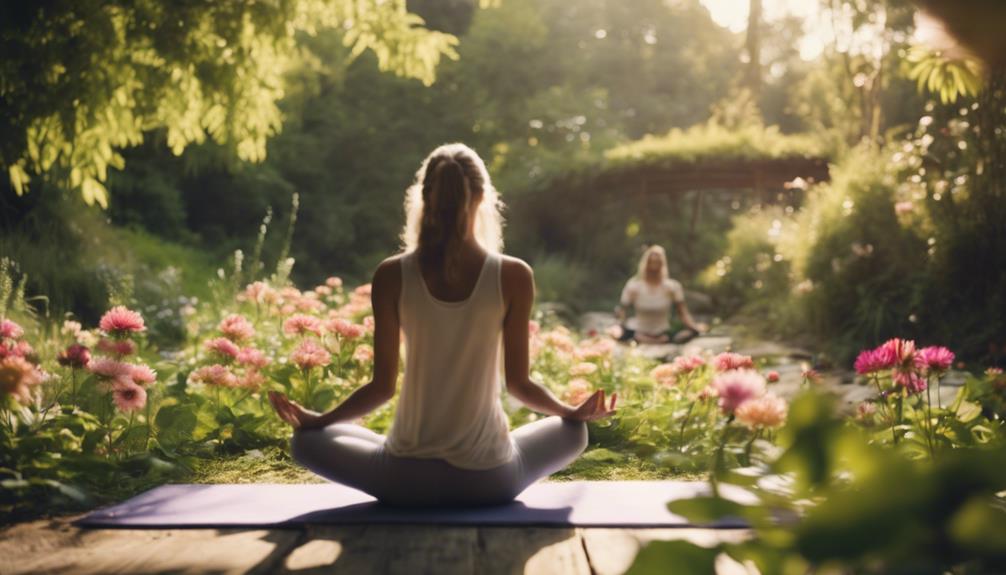
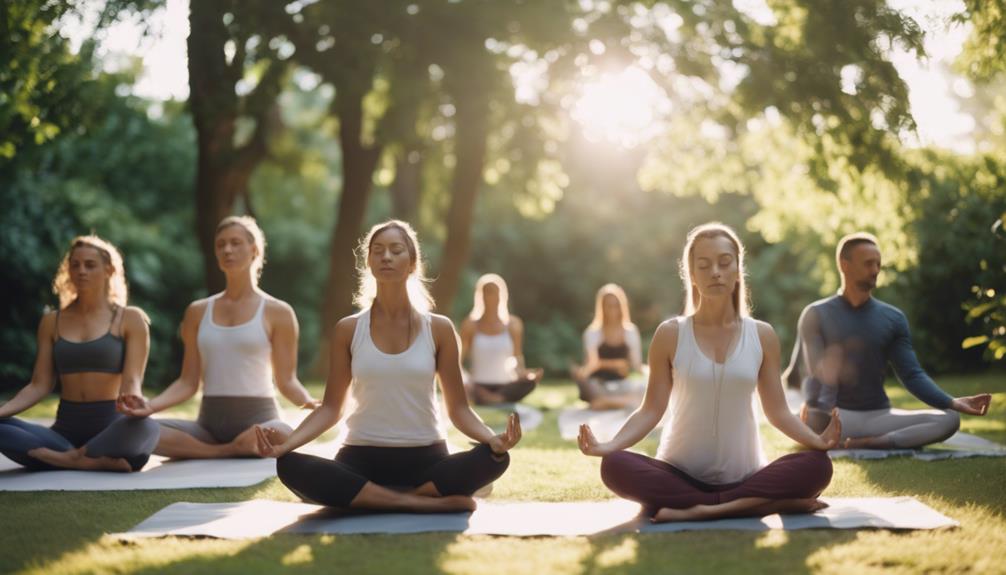
A weekend meditation retreat can provide a focused pause from work, screens, and everyday responsibilities without requiring a long absence from home. If you are looking for a weekend meditation retreat near you, the best choice will depend on more than distance. Teaching style, schedule, setting, accessibility, and the amount of silence or group interaction should all match what you need from the experience.
Why choose a local weekend retreat?
A short retreat is often easier to fit into a busy schedule than a longer residential program. Most take place over a compact Friday-to-Sunday period, giving you enough time to step away from familiar routines while keeping travel and planning manageable.
Choosing a nearby retreat may also make participation less stressful. Shorter travel can leave more energy for practice, and a local setting may make it easier to attend follow-up meditation groups, yoga classes, or other events after the retreat. At the same time, even a retreat close to home can create useful distance from your usual habits when you commit to following its schedule.
What happens during a weekend meditation retreat?
Although every program is different, a weekend retreat commonly combines several forms of practice and reflection. The schedule may include:
- Guided seated meditation
- Walking meditation
- Instruction on mindfulness, compassion, or breath awareness
- Periods of quiet or optional silence
- Time for rest, journaling, and personal reflection
- Gentle movement or yoga to support comfortable sitting
Because the format is brief, instruction is usually practical and concentrated. Beginners should look for clear explanations and opportunities to ask questions. People with an established practice may prefer a retreat that offers more silence, longer periods of meditation, or teachings that build on foundational techniques.
Meals and daily routines are often kept simple so that participants can give more attention to practice. Before booking, read the schedule carefully and check whether meals, accommodation, and technology policies fit your needs.
How to compare retreat locations and teachers
The right mindfulness retreat location is one where the environment supports your ability to participate fully. A nature-based setting may appeal to people who find quiet surroundings and outdoor space helpful. Others may prefer a comfortable center with convenient facilities and easier access.
When comparing options, consider:
- Teaching approach: Is the program secular, spiritually oriented, tradition-based, or a combination?
- Teacher experience and communication: Does the description explain who leads the retreat and how instruction is provided?
- Schedule: Are meditation periods balanced with movement, rest, and personal time?
- Silence and social time: Will the retreat include full silence, selected quiet periods, or regular group discussion?
- Accessibility: Can you reach the location realistically, and can the organizers accommodate relevant mobility, dietary, or health needs?
- What is included: Confirm details about lodging, meals, cushions, mats, transportation, and preparation requirements.
A detailed description is usually a good sign that you can make an informed decision. If important information is missing, contact the organizers before committing.
The role of yoga in a meditation retreat
Some retreats include gentle yoga or movement sessions alongside meditation. These practices can help participants pay attention to posture, breath, and physical sensations before or between periods of sitting. Yoga may also be useful for people who find it difficult to remain still for long stretches.
If your retreat does not offer movement, you can explore local yoga workshops and events before or after the weekend. Choose classes that complement the retreat’s pace rather than adding unnecessary intensity. A consistent combination of mindful movement and meditation can make it easier to carry the retreat’s practices into ordinary routines.
How to prepare for the weekend
A little preparation can help you arrive with fewer distractions. Review the program in advance and make arrangements at work or home so you are not managing unfinished tasks throughout the retreat. Pack comfortable clothing for sitting and movement, along with any cushion or meditation bench you normally use. A journal may be helpful if writing supports your reflection.
Ask about phone and laptop policies, then plan how you will limit notifications. If you have an injury, medical concern, dietary requirement, or other support need, tell the organizers before arrival. During the retreat, approach the experience with curiosity rather than expecting a particular emotional result. Rest when appropriate, follow the guidance offered, and let your practice develop gradually.
Bringing the retreat into daily life
The lasting value of a weekend retreat comes from how you continue afterward. Rather than trying to recreate the entire retreat schedule, begin with a practice that is realistic for your ordinary life. This might be five to fifteen minutes of meditation each day, a mindful pause during a routine activity, or a short period of quiet before bed.
Use any handouts, recordings, or practice suggestions provided by the retreat leaders. You may also find support through a local meditation group, a follow-up session, or a suitable yoga workshop. Regular, manageable practice is more sustainable than setting an ambitious routine that quickly becomes difficult to maintain.
When choosing a weekend meditation retreat near you, look for a thoughtful fit between location, instruction, schedule, and your own needs. A well-matched short retreat can offer a meaningful break from routine while giving you practical tools to continue cultivating calm and awareness at home.