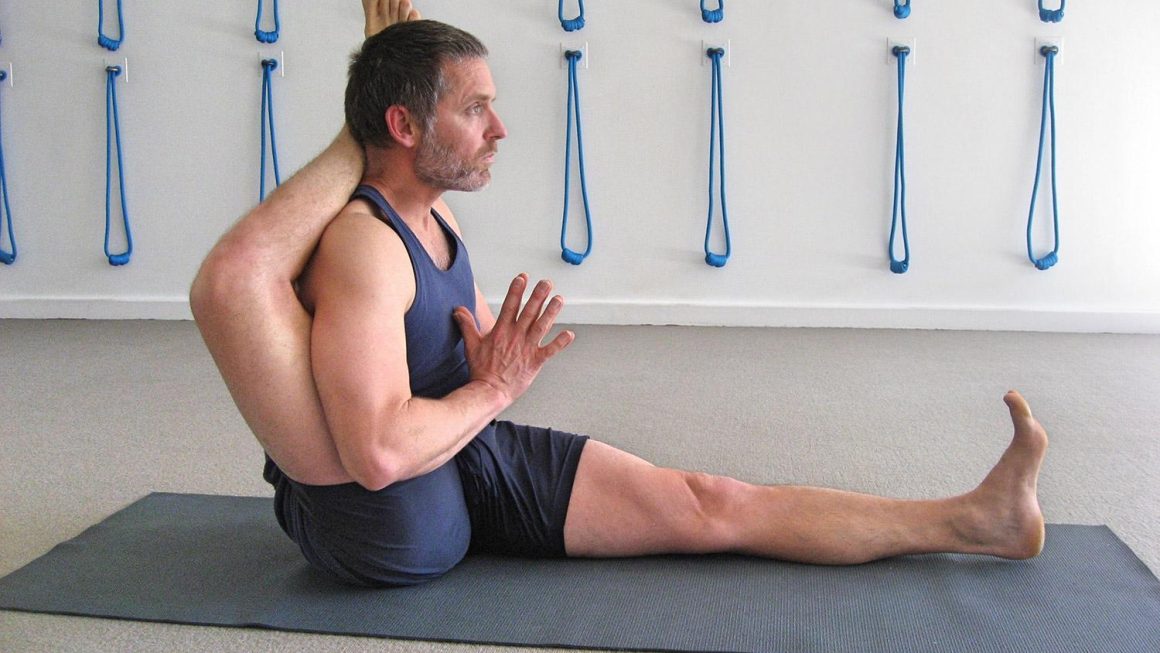

For many people with arthritis, yoga can be a useful addition to a broader treatment and movement plan. Gentle, adapted practice may help with stiffness, flexibility, strength, balance, stress, and day-to-day function. However, yoga is not a cure for arthritis, and the safest approach depends on your diagnosis, symptoms, mobility, and any other health conditions.
How arthritis can affect movement
Arthritis describes a group of conditions that affect the joints. Osteoarthritis involves changes to the joint and surrounding tissues over time, while rheumatoid arthritis is an autoimmune condition that can cause inflammation in the joint lining. Other forms of arthritis can affect the body differently.
Pain and stiffness may limit range of motion, reduce muscle strength, and make everyday activities more difficult. Symptoms can also vary from one day to the next. For that reason, an exercise routine should be flexible enough to accommodate both relatively comfortable periods and flare-ups.
What yoga may help with
Research described in the supplied literature generally supports gentle, modified yoga as a complementary approach for some people with osteoarthritis or rheumatoid arthritis. Reported benefits are typically modest rather than curative, but they may still be meaningful.
- Flexibility and mobility: Slow movements and gentle stretching may help you work within a comfortable range of motion.
- Muscle support: Carefully selected poses can strengthen muscles that help stabilise vulnerable joints.
- Balance: Balance exercises may support steadier movement and reduce the risk of falls.
- Pain and stiffness: Regular, appropriately adapted activity may ease some symptoms and make movement feel more manageable.
- Mood and fatigue: Breathing, relaxation, and mindful movement may help address stress, low mood, or tiredness that can accompany chronic pain.
Yoga may also improve body awareness. Noticing tension, alignment, and early signs of discomfort can make it easier to adjust activities before they aggravate a joint.
Which type of yoga is most suitable?
People with arthritis often begin with slower, lower-intensity forms of yoga, such as gentle Hatha or restorative practice. The name of a class matters less than the way it is taught. A suitable instructor should offer alternatives, avoid pressure to achieve a particular shape, and understand how pain, stiffness, inflammation, and limited mobility can affect participation.
Chair yoga or a practice that combines standing, seated, and supported movements may be more appropriate than a vigorous flow class. Props can make positions more accessible and reduce strain. Useful options may include:
- chairs for seated or supported standing poses;
- blocks to bring the floor closer;
- straps to avoid overreaching;
- bolsters or folded blankets for comfort and support.
How to practise more safely
Begin with short, manageable sessions and focus on consistency rather than intensity. Gentle warm-up movements can prepare the joints, while gradual progress allows you to learn how your body responds. Stop or modify a pose if you experience sharp, worsening, or unusual pain. A mild stretching sensation may be acceptable, but pushing through joint pain is not a requirement for progress.
Tell the instructor about your arthritis diagnosis, affected joints, previous surgery, balance concerns, and any other limitations. Follow modifications instead of comparing your movements with those of other people in the class. On days when symptoms are worse, you may need to reduce the range of motion, use more support, or focus on breathing and relaxation rather than strengthening.
When to seek professional advice
Speak with a doctor or qualified physical or occupational therapist before starting if you have severe symptoms, significant joint deformity, a recent joint replacement, unstable blood pressure, or a heart condition. Professional guidance is also sensible if you are unsure which movements are safe or if exercise repeatedly increases your pain.
During an episode of acute inflammation, a joint may be warm, visibly swollen, or especially painful. In that situation, avoid forcing movement or attempting demanding weight-bearing poses. Your healthcare professional can help determine when and how to resume activity.
The bottom line
So, is yoga good for arthritis? For many people, adapted yoga can support mobility, strength, balance, relaxation, and daily function. Its benefits are most likely when the practice is gentle, personalised, and used alongside appropriate medical care rather than as a replacement for it. Start gradually, use props and modifications, listen to pain signals, and seek expert advice when your symptoms or health history make self-directed exercise uncertain.