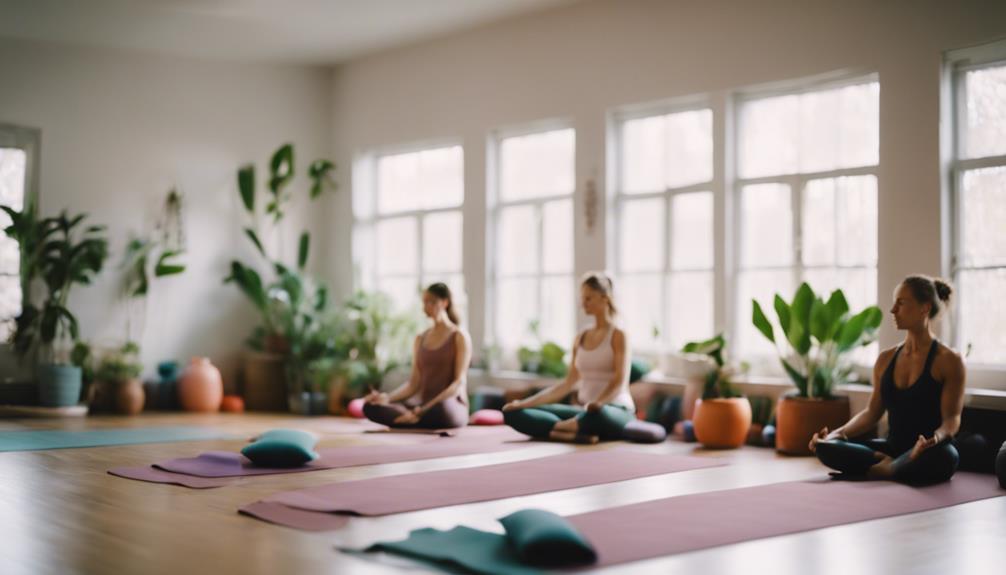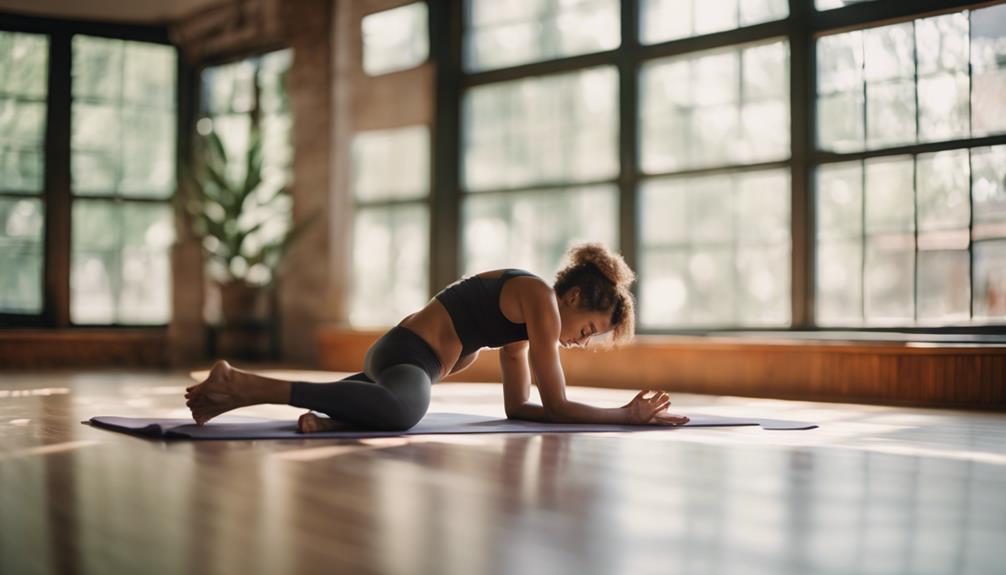
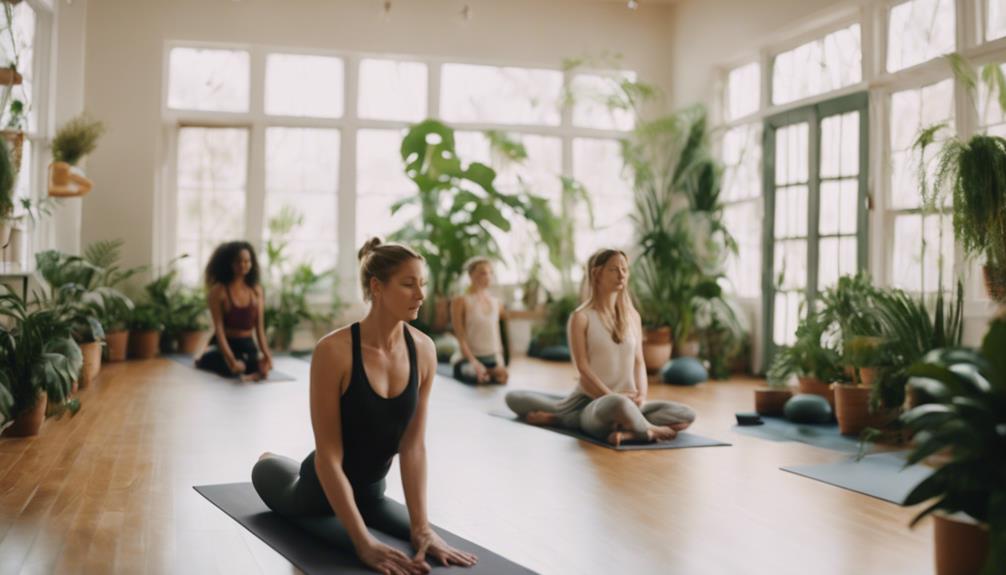
Yoga brings together physical postures, breathing exercises, and focused attention. Practiced regularly and adapted to your abilities, it can support mobility, strength, balance, stress management, and general well-being. It is not a quick fix or a replacement for medical care, but it can become a practical part of a healthy routine for beginners and experienced practitioners alike.
How yoga supports overall health
Unlike exercise that focuses only on physical effort, yoga encourages awareness of how the body feels and how the breath changes during movement. This combination can make sessions both physically useful and mentally calming. Gentle practices may help release everyday tension, while more active sequences can challenge strength, coordination, and endurance.
The most dependable benefits usually come from a consistent, well-rounded approach. Yoga does not need to be intense to be valuable. A practice that suits your current fitness level is more likely to be repeated and gradually developed over time.
Physical benefits of regular yoga practice
Yoga can address several areas of physical fitness at once. Depending on the poses and style, regular practice may help you:
- Improve flexibility and joint mobility
- Build strength in the legs, hips, back, shoulders, and core
- Develop better balance and body awareness
- Reduce stiffness associated with prolonged sitting or limited movement
- Support more comfortable posture and movement patterns
- Increase awareness of unnecessary muscle tension
Weight-bearing poses and controlled transitions can provide a useful strength challenge, while standing and balancing poses require coordination and proprioception—the ability to sense the position of your body. Gentle stretching may also be helpful for people who feel tight, although stretching should never be forced or treated as a test of performance.
Yoga and back or joint discomfort
Some people use yoga to manage recurring back, hip, or joint discomfort. Carefully selected movements may improve mobility and help strengthen supporting muscles, but the right approach depends on the cause and severity of the problem. A pose that feels helpful for one person may aggravate another person’s symptoms.
Sharp, sudden, or worsening pain is a reason to stop and seek appropriate professional advice. Anyone with an injury, chronic condition, recent surgery, or significant movement limitation should ask a healthcare professional or suitably qualified instructor about modifications before beginning.
Mental and emotional benefits
Yoga’s breathing and mindfulness elements can make it useful for managing everyday stress. Paying attention to the breath gives the mind a specific focus, while slower movement can interrupt habitual patterns of tension and rushing. A regular practice may also encourage greater awareness of mood, fatigue, and physical signals.
Many people find that yoga helps them feel calmer after a session and more aware of how they respond to stressful situations. It may support relaxation, concentration, and emotional regulation, but it should not be presented as a standalone treatment for depression, anxiety, trauma, or other mental health conditions. Professional support remains important when symptoms are persistent or severe.
Creating a balanced yoga routine
For most beginners, consistency matters more than duration or difficulty. Start with short, guided sessions that explain basic alignment and offer alternatives for different abilities. A routine might include:
- Mobility: gentle movements for the spine, hips, shoulders, and ankles
- Strength: standing poses, controlled weight-bearing positions, and core work
- Breathing: comfortable, unforced attention to the breath
- Recovery: slower poses, relaxation, and a quiet finish
Three sessions of 20 to 30 minutes per week can be a manageable starting point. You can adjust the frequency and length as your body becomes accustomed to practice. Rest days, walking, and other forms of exercise can complement yoga rather than compete with it.
Practice safely and make yoga sustainable
Choose a clear, stable surface and avoid practicing immediately after a heavy meal. Props such as blocks, straps, blankets, and bolsters can reduce strain and make positions more accessible. Keep the breath steady, move gradually, and avoid comparing your range of motion with anyone else’s.
Mild muscular effort or a gentle stretch may be appropriate, but pain, numbness, dizziness, or breathlessness should not be ignored. Modify or stop the movement and seek advice when necessary. Pregnant people and those managing health conditions should choose guidance that accounts for their specific needs.
To build the habit, schedule practice at a realistic time and keep the first goal simple: showing up regularly. A brief session that you repeat is more useful than an ambitious routine that quickly becomes difficult to maintain.
Tracking progress over time
Progress is not limited to touching your toes or holding a difficult pose. Notice whether everyday movement feels easier, whether balance improves, or whether you can relax more effectively after a stressful day. You might keep a short record of stiffness, energy, sleep, mood, and any movements that cause discomfort.
Yoga works best as one part of a broader approach to health that includes appropriate medical care, nourishing food, sleep, and other enjoyable physical activity. With patience and sensible adaptations, it can offer a practical way to move more comfortably, manage tension, and build a steadier connection between body and mind.
Related Guides
- 20 Minute Yogalates
- Back And Hip Stretches
- Back Posture Stretches
- Best Yoga Poses For Back Pain
- Correct Lumbar Spine
- Do Yoga Make You Flexible
- Flexibility Yoga Poses
- Great Yoga Workout
- Is Yoga Beneficial For Weight Loss
- Is Yoga Good For Arthritis
- Is Yoga Good For Back Problems
- Lose Weight With Yoga And Walking
- Morning Yoga Workout
- Power Yoga For Fat Loss
- Purpose Of Yoga
- Sacroiliac Joint Yoga
- Stretch Lumbar
- Stretches For Lower Back Pain
- Stretches For Upper Middle Back Pain
- Stretching Exercises For Lower Back Strain
- Stretching Program For Flexibility
- Vinyasa Yoga Weight Loss
- Weight Reducing Yoga
- Woman Yoga
- Yoga And Sleep Quality
- Yoga And Weight Loss Before And After
- Yoga App
- Yoga Asanas For Beginners Weight Loss
- Yoga Asanas For Upper Back Pain
- Yoga Exercises
- Yoga Exercises For Arthritis
- Yoga For Healthy Body
- Yoga For Joint Health
- Yoga For Nervous System Health
- Yoga For Sleep
- Yoga For Spine Alignment
- Yoga For Stress Relief
- Yoga For Tension Relief
- Yoga For Weight Loss Video
- Yoga Poses For Back
- Yoga Stretches For Lower Back And Hip Pain