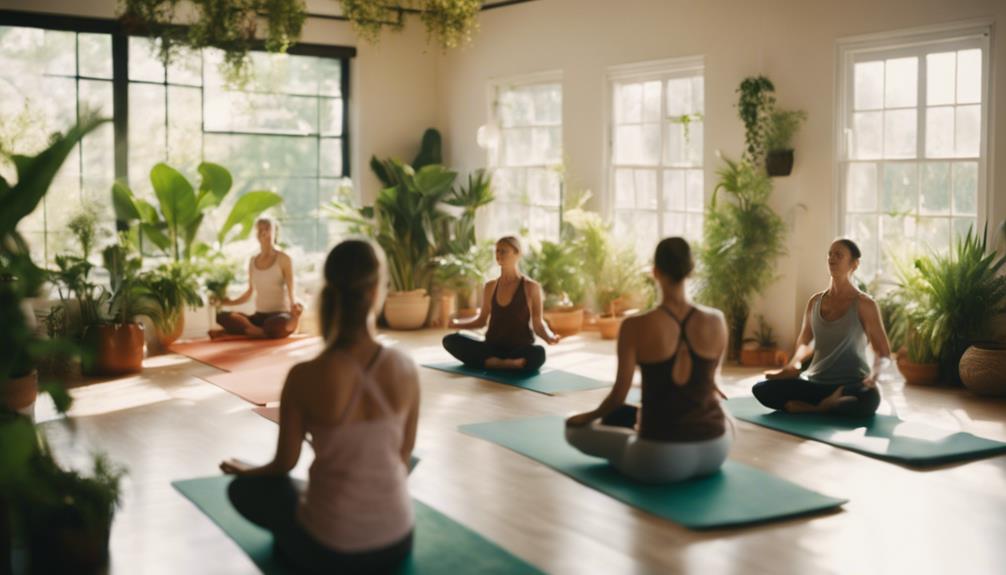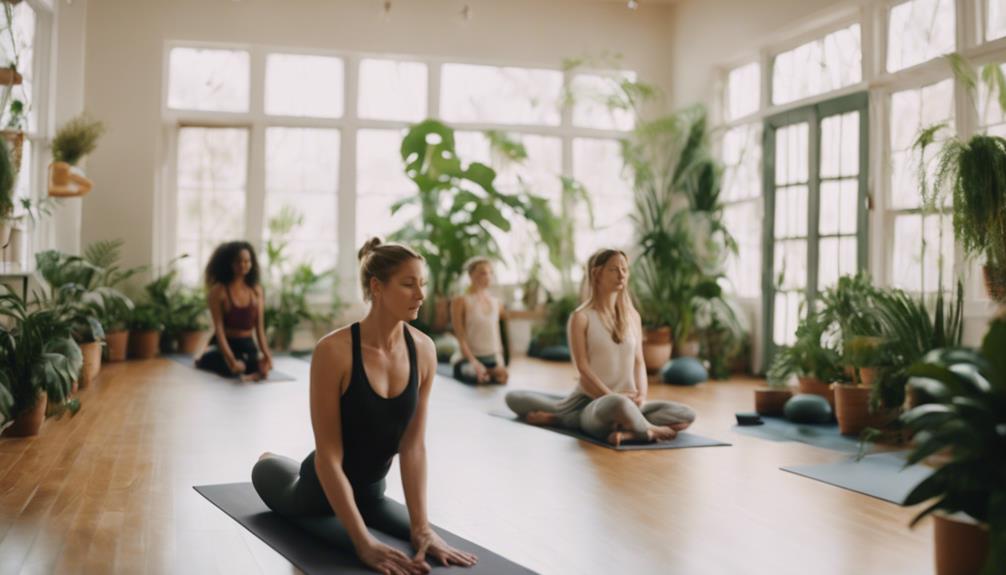

A morning yoga workout can help you move from rest into the day with greater ease. A few minutes of mindful movement may loosen areas that feel stiff after sleep, wake up major muscle groups, and create a calmer transition into work or daily responsibilities. The most effective routine is not necessarily the longest or most demanding one. Regular practice, appropriate pacing, and attention to your breathing matter more than forcing advanced poses. Explore yoga’s wellness benefits to understand how morning practice supports lasting physical and mental health.
Why Practise Yoga in the Morning?
Morning yoga combines gentle physical activity with focused breathing. Slow movements can encourage circulation and improve mobility in the spine, hips, shoulders, and legs, while deliberate breathing helps bring attention into the present moment. Many people also use a short practice to reduce morning tension and improve their sense of focus.
Yoga may support flexibility, balance, stress management, and general physical wellbeing when practised consistently. It should complement, rather than replace, medical care for ongoing pain or health conditions.
How to Build an Effective Morning Routine
A useful routine gradually progresses from stillness to movement and then back to rest. Begin gently, particularly if your body feels stiff or you are new to yoga. A balanced session can include:
- Breath awareness: Sit comfortably and take several slow, relaxed breaths before moving.
- Joint and spine mobility: Use gentle neck movements, side bends, and cat-cow to warm up.
- Standing strength: Add mountain pose, lunges, or warrior variations to develop stability.
- Stretching: Include comfortable hip and hamstring stretches without pushing into pain.
- Balance and core control: Choose a simple balance pose if it feels steady and appropriate.
- Relaxation: Finish with a seated pause or a brief rest on your back.
A fifteen- to thirty-minute session is enough for many schedules. A shorter routine that you can repeat regularly is generally more sustainable than an occasional demanding workout.
A 20-Minute Morning Yoga Workout
Use the following sequence as a flexible framework rather than a test of performance. Move slowly and adjust or skip any posture that causes discomfort.
1. Settle and breathe: 3 minutes
Sit on a cushion or lie down comfortably. Let your shoulders relax and notice the natural rhythm of your breath. Gradually make each breath smooth and unforced, allowing the exhalation to release unnecessary tension.
2. Warm up: 3 minutes
Perform gentle neck movements, shoulder rolls, and side bends. Keep the range of motion comfortable. These movements help you become aware of areas that feel particularly tight before you begin standing work.
3. Mobilise the spine: 4 minutes
Come to a tabletop position for several rounds of cat-cow, moving with your breath. You can then add a gentle seated or tabletop twist on each side. Keep the movement controlled instead of trying to create the deepest possible rotation. Continue your routine with this gentle morning flow to build flexibility, balance, and mindful energy.
4. Flow through standing poses: 6 minutes
Rise slowly and spend a few breaths in mountain pose. Move through an easy standing flow that may include a forward fold, a supported half lift, and a step back into a low lunge. Repeat on both sides, adding warrior variations if they feel comfortable. Sun salutations can be included, but modify them by shortening the range of motion or stepping rather than jumping.
5. Stretch and balance: 2 minutes
Choose a gentle hamstring or hip stretch, followed by a simple balance such as standing with one foot lightly supported. Keep your gaze steady and use a wall or chair if needed.
6. Rest: 2 minutes
Finish lying on your back or sitting comfortably. Allow your breathing to return to normal and notice how your body feels before continuing with your morning.
Making Saturday Morning Yoga More Relaxed
A Saturday session can be longer and less structured when your schedule allows. You might extend the warm-up, hold restorative poses with the support of blocks or cushions, or spend more time on breathing and relaxation. If you want a more active practice, a longer flow can include additional standing poses and lunges.
Let your energy level guide the intensity. A slower session may be useful after a demanding week, while a moderate flow may suit a day when you feel rested. Use extra time to explore areas that need attention rather than automatically making every pose more intense.
Tips for a Safe, Consistent Practice
- Keep your mat and comfortable clothing ready so starting requires little preparation.
- Choose a realistic time rather than waiting for a completely free morning.
- Prioritise steady breathing and controlled alignment over depth.
- Use blocks, cushions, or a wall to make poses more comfortable and stable.
- Stop or modify a movement if it causes sharp pain, dizziness, or unusual discomfort.
- If you have a recent injury or chronic health condition, ask a qualified instructor or healthcare professional about suitable modifications.
How to Notice Progress
Progress may appear as less morning stiffness, easier movement, steadier balance, or improved concentration. You can also note how your stress level and energy feel before and after practice. These observations can help you adjust the length, pace, and focus of your routine.
The goal is not to create a perfect morning yoga workout. It is to develop a repeatable practice that supports movement, breathing, and mental clarity. Start with what feels manageable, progress gradually, and allow the routine to change with your needs.