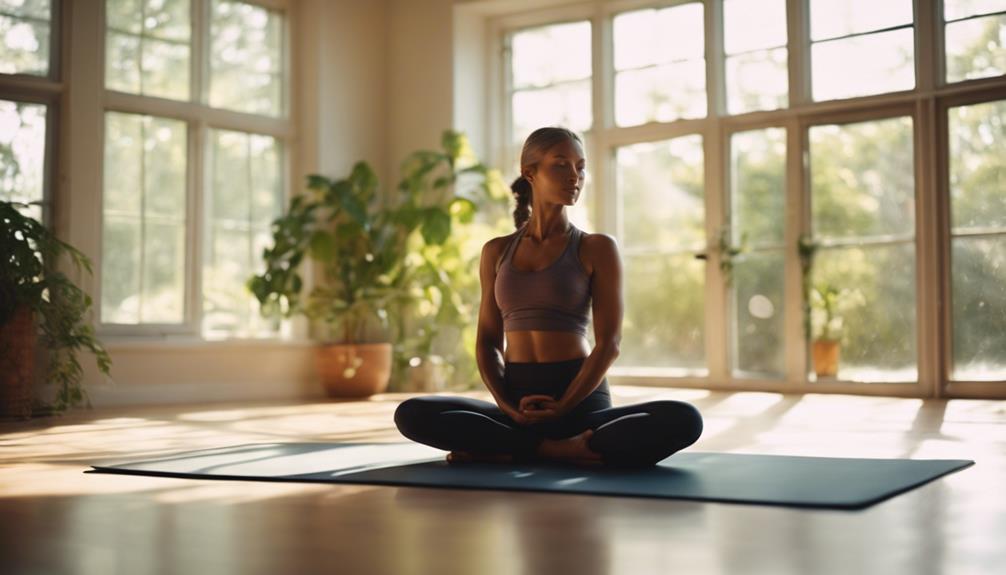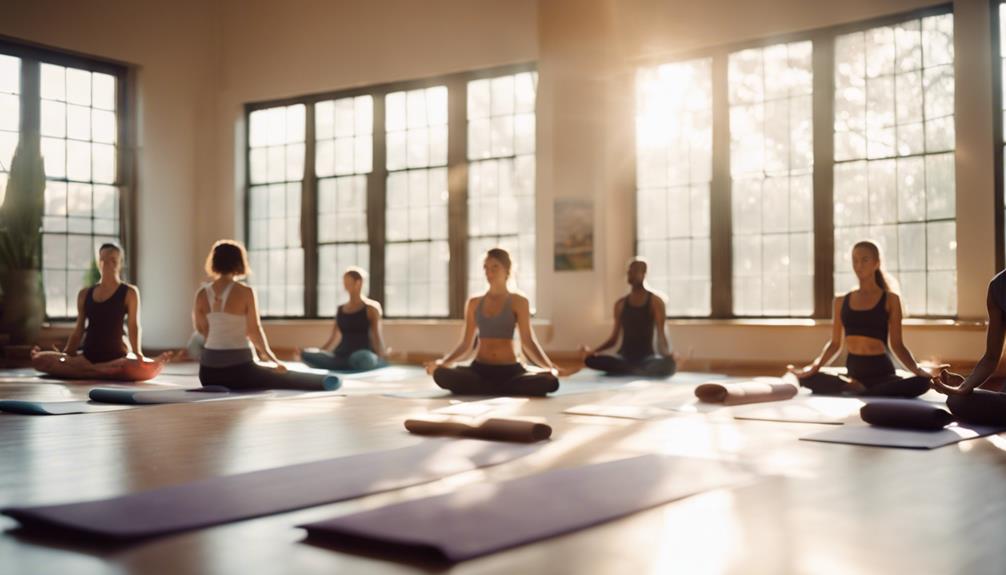
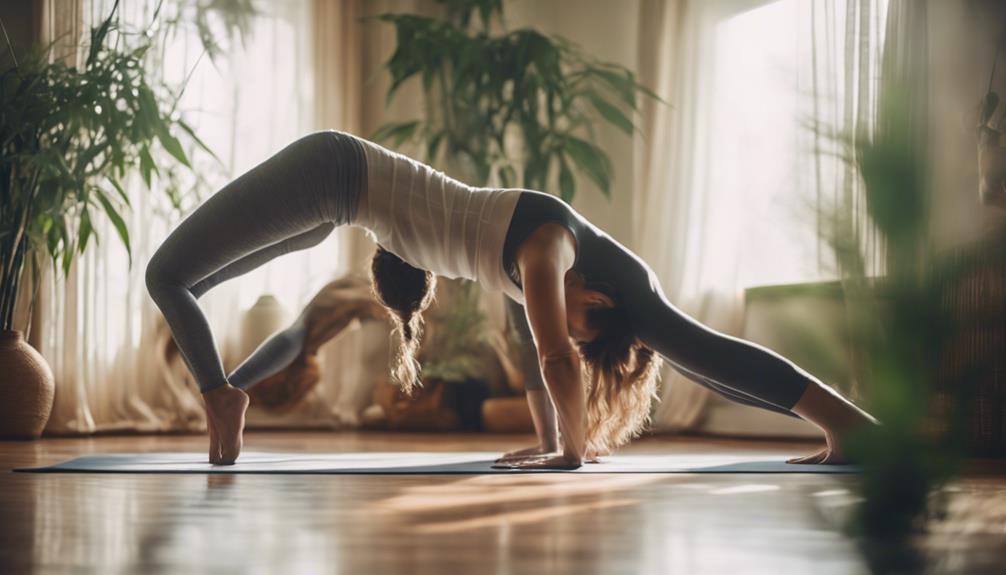
Hot power vinyasa combines breath-led movement, strength-focused yoga, and a heated studio environment. Classes are usually more vigorous than gentle or restorative practices, with flowing sequences that keep the body active and the attention focused. The result is a challenging practice that can support mobility, muscular endurance, balance, and body awareness.
The heated setting is an important part of the experience, but it should not be treated as a test of how much discomfort you can tolerate. A successful class is not about pushing through dizziness or forcing a deeper stretch. It is about moving with control, breathing steadily, and adjusting the practice to suit your current ability.
What is hot power vinyasa?
Hot power vinyasa draws from two related approaches: vinyasa yoga, in which postures are linked through continuous, breath-synchronized movement, and power yoga, which places greater emphasis on strength, stamina, and physical challenge. The class is performed in a heated room, which may make the body feel more mobile while also increasing the overall demand on the cardiovascular system.
Unlike a fixed sequence, hot power vinyasa classes can vary considerably from one teacher or studio to another. Some sessions move quickly through standing postures and transitions, while others include longer holds, balance work, or optional arm balances and inversions. The common thread is an active, flowing practice rather than a predetermined set of poses.
Potential benefits of the practice
Regular participation may help develop several aspects of physical fitness and mindful movement:
- Strength and endurance: Repeated weight-bearing poses and sustained standing sequences challenge the legs, shoulders, arms, and core.
- Mobility: Heat and gradual movement can help the body feel less stiff, although flexibility should be developed patiently rather than forced.
- Balance and coordination: Transitions between postures require control, concentration, and awareness of how the body is positioned.
- Breath awareness: Linking movement to breathing gives the practice a steady rhythm and provides a useful way to monitor effort.
- Mental focus: Staying present through a demanding sequence can encourage concentration and offer a moving form of meditation.
Perspiration is a normal response to the heated room and physical exertion. It does not mean that a class is automatically more effective, and sweating should not be confused with “detoxing.” The practical priority is replacing fluids and respecting signs that the body needs a break.
What happens in a typical class?
Most sessions begin with a short period of settling, breathing, and warming up. The instructor may then introduce sun salutations or similar movements to connect breath and motion while gradually raising the intensity.
The middle of class often includes standing poses such as lunges, balance postures, twists, and strength-focused transitions. Depending on the teacher, students may be offered optional challenges, including arm balances or inversions. These are not essential to a productive practice, and alternatives should be available.
Near the end, the pace usually slows. Floor-based poses, gentler stretches, breathing, and relaxation allow the body to cool down and give the nervous system a chance to settle. Because sequencing differs between classes, it is helpful to ask the instructor about the expected pace and level before attending.
How to prepare for your first class
- Drink water before class and bring a bottle with you.
- Wear comfortable clothing that allows unrestricted movement.
- Avoid arriving immediately after a heavy meal.
- Tell the instructor that you are new or returning after a break.
- Use a mat with reliable grip and follow the studio’s towel or equipment guidance.
- Plan to move at a sustainable pace rather than matching the most experienced student in the room.
You can rest in a child’s pose, sit down, or leave the room if you feel unwell. Dizziness, nausea, unusual weakness, confusion, chest discomfort, or difficulty breathing are reasons to stop and seek appropriate help. Never interpret these symptoms as evidence that the practice is working.
Safety and modifications
Heat adds stress to the body, while fatigue can make it harder to maintain good alignment. Keep movements controlled and avoid using the warmer room as a reason to force joints into a larger range of motion. Bending the knees, lowering the back knee in a lunge, skipping a jump, or resting between sequences can make the practice more manageable.
Anyone with a medical condition affected by heat or strenuous exercise should ask a qualified healthcare professional whether heated yoga is appropriate. This is especially important for people with cardiovascular or blood-pressure concerns and for those who are pregnant. A studio with attentive instructors should offer clear modifications rather than treating advanced poses or maximum intensity as requirements.
Hot power vinyasa compared with other styles
Compared with a standard vinyasa class, hot power vinyasa is typically performed in a warmer environment and may place more emphasis on pace, strength, and stamina. Compared with power yoga, it generally retains a stronger focus on fluid, breath-linked transitions. Unlike styles built around a fixed sequence, the order and emphasis can change from class to class.
Choose hot power vinyasa if you enjoy active movement, physical challenge, and a structured flow of postures. If you prefer slower pacing, detailed alignment work, or a cooler environment, another yoga style may be a better fit. The right class is one that challenges you while still allowing you to breathe, adapt, and leave feeling capable rather than depleted.