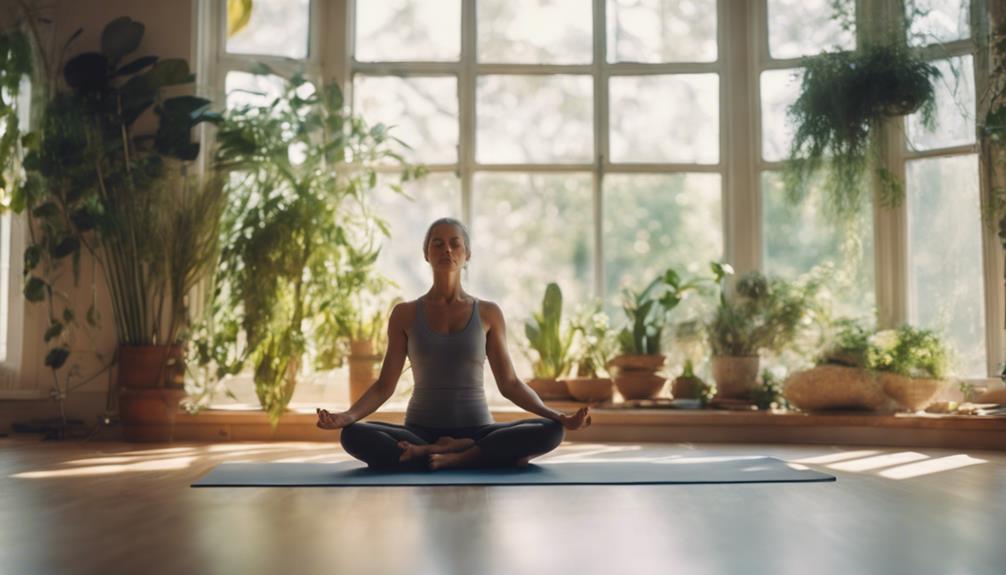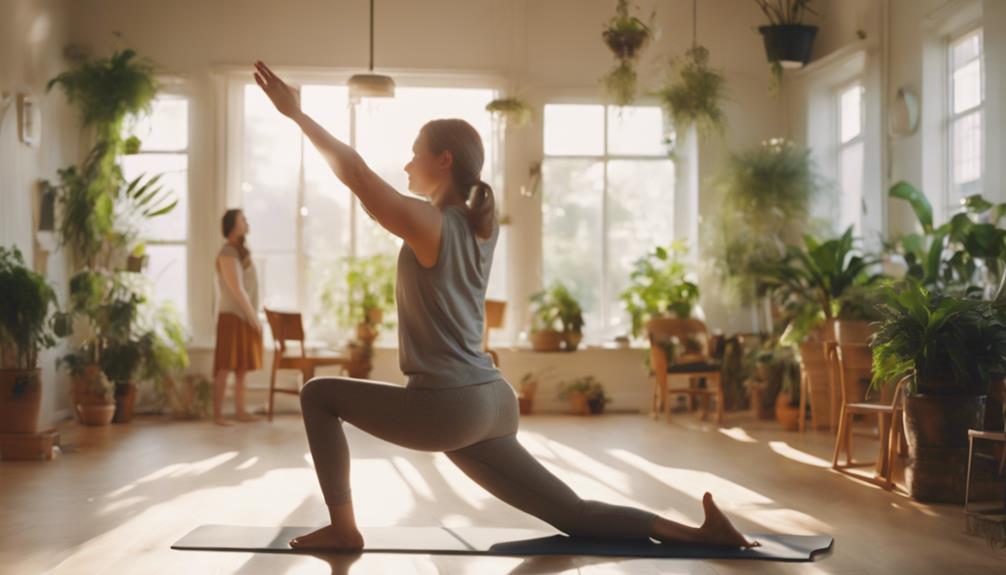
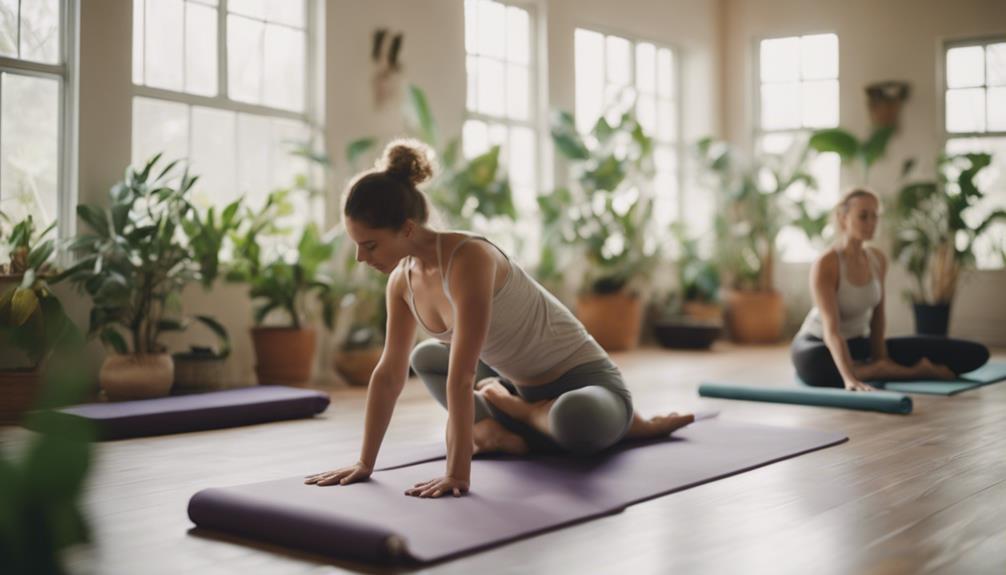
If you are searching for kundalini yoga near me, you may be looking for more than a conventional movement class. Kundalini yoga brings together physical postures, repetitive movement, breathwork, mantra, meditation, and relaxation. The result can feel quite different from alignment-focused or fast-paced flow classes.
Because teachers and studios may structure sessions differently, learning the basics can help you find a class that suits your experience, preferences, and comfort level.
What is kundalini yoga?
Kundalini yoga is a practice traditionally associated with awakening and directing inner energy. In modern classes, this idea is explored through coordinated movement, breathing exercises, sound, and meditation rather than through physical postures alone.
A class often includes one or more kriyas. A kriya is an ordered sequence of movements, breath patterns, and sometimes mantra or meditation. Sequences may be designed around different intentions, such as building physical stamina, settling the mind, developing concentration, or encouraging self-reflection.
The experience is often less focused on achieving complicated poses and more focused on maintaining awareness of breath, rhythm, sensation, and attention. Some practices are physically active, while others are slow, repetitive, or primarily meditative.
Potential benefits of the practice
People come to kundalini yoga for different reasons. The physical elements may support mobility, flexibility, and core engagement, depending on the sequence and how it is taught. Breathwork and meditation can also provide a structured opportunity to slow down, focus, and notice how you are feeling.
Many practitioners value the combination of movement and inward attention. Chanting or mantra may help create a sense of rhythm and concentration, particularly in a group setting. However, individual experiences vary, and kundalini yoga should not be treated as a substitute for medical or mental-health care.
How to find kundalini yoga near you
Start by searching for “kundalini yoga near me” along with your city, neighborhood, or postcode. Classes may be offered by dedicated yoga studios, community spaces, or independent teachers. Online listings and studio schedules can help you compare locations, times, prices, and class formats.
Read the class description carefully. Terms such as kriya, mantra, pranayama, breathwork, meditation, and deep relaxation can indicate that the session includes more than physical postures. If a listing is unclear, contact the teacher or studio before booking and ask what a typical class involves.
Look for beginner or introductory sessions if you are new to the style. A drop-in or trial class can also be a practical way to assess the pace, teaching approach, room environment, and amount of meditation or chanting before committing to a series.
What happens in a typical class?
Many sessions begin with a period of centering or “tuning in.” This may include a traditional mantra, such as “Ong Namo Guru Dev Namo,” although the exact format varies between teachers. A warm-up may follow, leading into a kriya that combines movement with a particular breathing pattern or rhythm.
The class may then move into meditation, chanting, or quiet observation. Longer relaxation periods are common, giving the body and mind time to settle after the active portion. You may spend significant portions of the class seated or lying down, so a mat and comfortable clothing are useful. A light blanket can make relaxation more comfortable.
Advice for your first class
- Tell the teacher about injuries, pregnancy, high blood pressure, or other health concerns before class.
- Ask how to modify rapid breathing, breath retention, repetitive movements, or seated positions.
- Work at a sustainable level rather than trying to match the most experienced person in the room.
- Stop or rest if you feel pain, dizziness, unusual shortness of breath, or distress.
- Choose a class where questions and modifications are welcomed.
Some breathing techniques can be vigorous, and certain postures or prolonged seated positions may not be appropriate for everyone. If you have a medical condition or are unsure whether the practice is suitable, seek advice from a qualified healthcare professional. If you experience a strong physical or emotional reaction during or after class, pause the practice and speak with the teacher or a healthcare professional.
Finding the right fit
The best kundalini class is not necessarily the most intense one. Consider whether the teacher explains the purpose of each exercise, offers accessible alternatives, and creates an environment in which you feel comfortable participating at your own pace. Trying more than one class may help you discover whether you prefer energetic kriyas, gentle breath-led sessions, or a stronger emphasis on meditation.
With a clear idea of what to expect and a careful approach to breathwork and physical effort, searching for kundalini yoga near you can become the first step toward exploring a distinctive blend of movement, sound, meditation, and self-awareness.