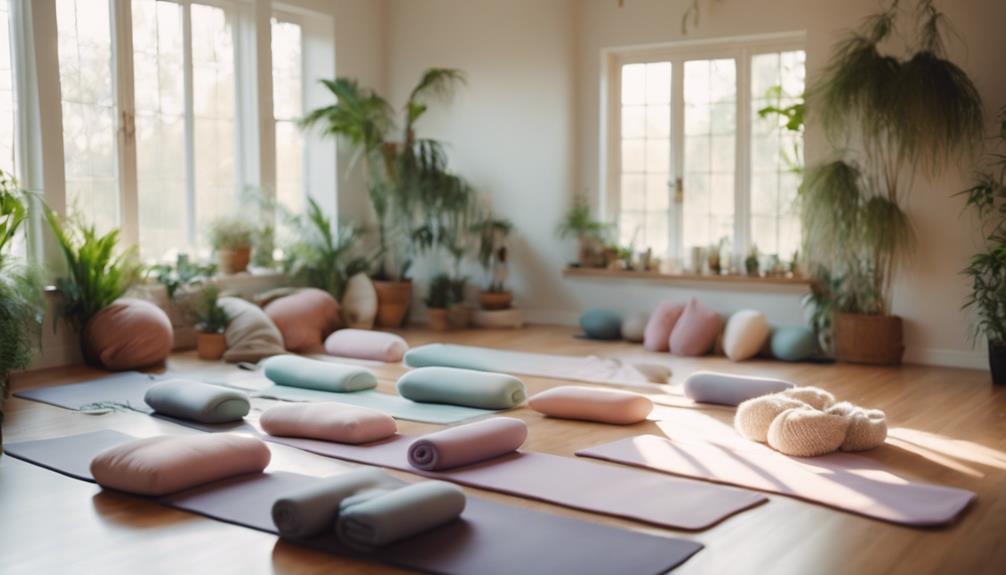

Hot yin combines the quiet, slow-paced structure of yin yoga with a warm or heated room. Instead of moving quickly through a sequence, practitioners settle into a small number of poses and remain there for several minutes at a time. The heat may make the body feel more mobile, while the long holds encourage patience, steady breathing, and focused attention.
Because studios use different temperatures and teaching styles, “hot yin,” “warm yin,” and “heated yin” do not always describe exactly the same class. Before attending, check how warm the room will be and whether the session is intended as a gentle practice or a more intense heated experience.
What happens in a hot yin class?
Hot yin generally keeps the essential features of traditional yin yoga: passive or lightly engaged postures, longer holds, and plenty of time to observe physical sensations. Classes often focus on areas such as the hips, pelvis, hamstrings, lower back, shoulders, and spine.
A session may include:
- A short period of centering and breath awareness
- Gentle movements to prepare the joints and spine
- Seated, prone, or supine postures held for several minutes
- Props such as bolsters, blocks, blankets, or straps
- A final rest or guided relaxation
The goal is not to force a deeper shape. Props and modifications help support the body so that the practitioner can remain present without turning a slow posture into a strenuous stretch.
How the heat changes the experience
Warmth can make muscles feel less guarded and may temporarily increase the sensation of ease in certain positions. This can be appealing to people who find stillness uncomfortable in a cooler room or who want a more immersive, sweat-inducing practice.
Heat also adds another layer of concentration. Remaining calm while the room feels warm can make breath awareness and mental focus more noticeable. For some people, this creates a meditative setting; for others, the temperature may become the main challenge of the class.
It is important not to treat increased flexibility in a heated room as a signal to push farther. A posture that feels accessible at first may become too intense if the body is taken beyond a comfortable, controlled range. Sensation should remain manageable, and sharp, pinching, or escalating pain is a reason to change or leave the pose.
Hot yin, warm yin, and heated yin
These labels are used inconsistently, so the name alone may not tell you what to expect.
- Warm yin: Usually suggests a moderately warm room intended to make the practice more comfortable without creating the intensity of a strongly heated class.
- Hot yin: May refer to anything from a noticeably warm yin session to a class held in a fully heated studio.
- Heated yin: Often implies a higher level of room heat, although the exact temperature depends on the studio and teacher.
In all three cases, the defining feature is the yin-style pace: longer holds, limited movement, and an emphasis on awareness rather than cardio or muscular endurance.
Potential benefits
Practitioners may enjoy hot yin because the warmth can make stillness feel more comfortable and help the body settle into supported positions. The slower format also provides an opportunity to practice patience, breath control, and non-reactivity.
Some people seek the mild sweat and physical openness associated with a heated room. However, sweating should not be confused with “detoxification,” and it is not a measure of whether the practice is effective. The most useful benefits are often practical: improved comfort in long-held positions, greater body awareness, and time for deliberate recovery.
Safety and sensible modifications
Heat can increase physical stress and make it harder to judge personal limits. Drink water before and after class, arrive prepared for the room temperature, and take breaks whenever necessary. Dizziness, nausea, unusual weakness, confusion, or feeling faint are signals to stop, cool down, and seek assistance.
Pregnant people, those with cardiovascular conditions, heat sensitivity, or uncontrolled high blood pressure should obtain medical advice before joining a heated class. Anyone managing an injury or other health concern should also discuss whether this style of practice is appropriate.
During class, useful options include:
- Reducing the depth of a posture
- Using additional support from bolsters, blocks, or blankets
- Coming out of a pose before the suggested time
- Resting in a neutral position between postures
- Choosing a cooler or less heated class while becoming familiar with the practice
Choosing a class
Ask the studio about its heat level, class length, expected experience, and available props. A teacher should explain that students can modify or leave poses and should offer alternatives rather than treating one shape as compulsory.
If you are new to yin yoga or heated exercise, a moderately warm class may be a better starting point than a fully heated session. The right hot yin class is one in which the warmth supports concentration and comfort without overwhelming your ability to breathe, think clearly, and respond to your body.