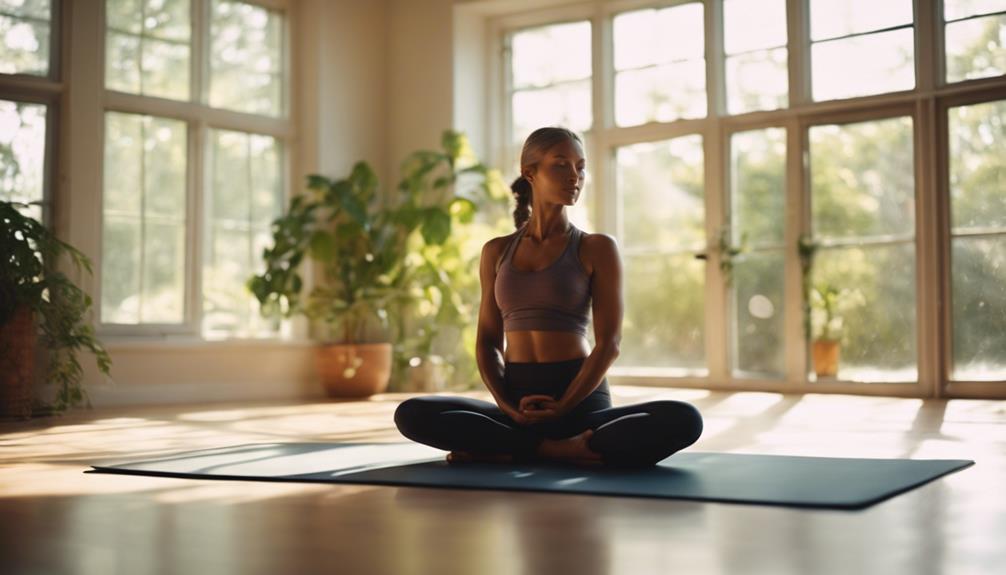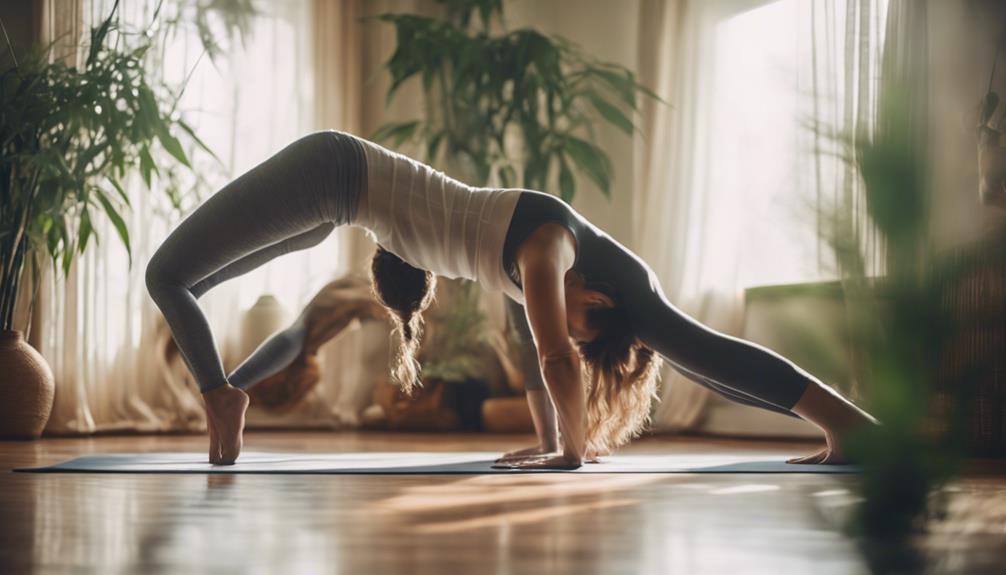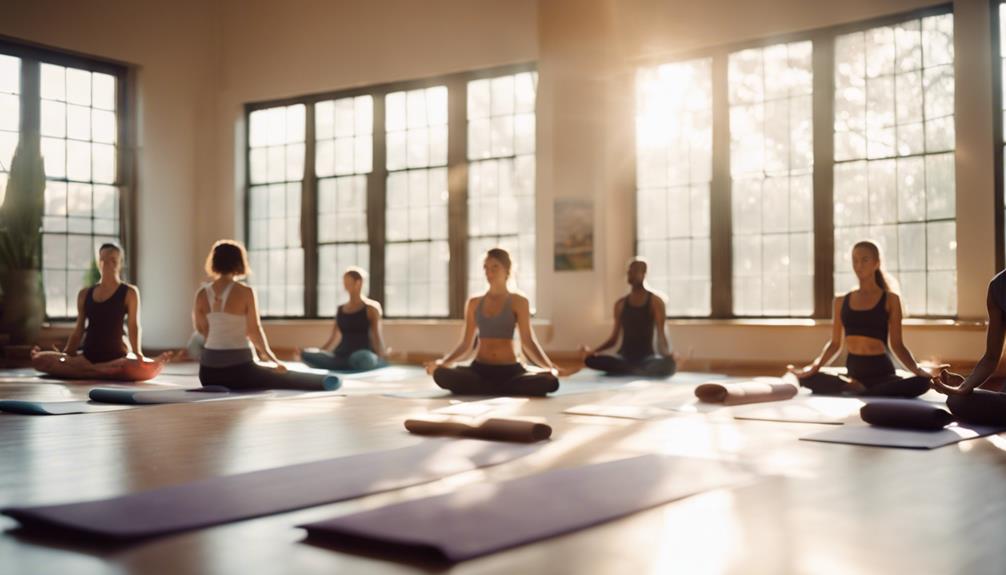
Hot yoga in Myrtle Beach combines traditional yoga postures with a heated studio environment. The added warmth can make the practice feel more demanding, while also helping many students settle into stretches and maintain focus. Because studios use different temperatures, teaching methods, and class formats, it is worth learning what to expect before choosing a session. Myrtle Beach practitioners can compare different yoga styles to find the right intensity and heated practice.
Whether you live in the area or are visiting the coast, a little preparation can make a heated class more comfortable. The right class depends on your experience, fitness level, and goals—not simply on how hot the room is.
What happens in a hot yoga class?
Most heated classes follow a sequence of standing, balancing, seated, and floor-based postures. Some emphasize steady alignment and longer holds, while others move continuously through flowing transitions. Instructors typically guide students through breathwork and offer modifications for different levels of mobility and experience.
The room may feel warm rather than intensely hot, or it may be heated to a much higher temperature for a more demanding practice. Ask the studio about its temperature range and class format before booking. A class described as heated vinyasa, for example, may feel very different from a traditional set-sequence class or a slower restorative session.
Expect to sweat more than you would in an unheated room. Heat can also make effort feel more intense, so the goal is not to force deeper stretches or match the pace of experienced students. Resting in child’s pose or another comfortable position is a normal part of practice.
Hot yoga styles to explore
“Hot yoga” describes an environment rather than one single method. Myrtle Beach studios may use heat with several approaches, including:
- Heated vinyasa: Flowing sequences that connect movement with the breath and may vary from class to class.
- Power yoga: A physically demanding format with more emphasis on strength, balance, and sustained effort.
- Traditional set-sequence classes: A consistent series of postures practiced in a very warm room.
- Gentle or restorative heated classes: Slower practices with longer holds, props, and more time for relaxation.
Class names and descriptions differ between studios, so read the details carefully. If you are new to yoga or heat, look for beginner-friendly language and ask whether the instructor regularly works with first-time students.
Potential benefits—and realistic expectations
Many people enjoy hot yoga because the warmth helps them feel less stiff as they move. The practice can develop balance, mobility, strength, body awareness, and concentration. The combination of controlled breathing and sustained attention may also provide a useful break from daily stress. After class, explore hot yoga sequences to maintain Myrtle Beach’s warmth with mindful transitions at home.
These effects are not a reason to push beyond your limits. Sweating heavily does not automatically mean you had a better workout, and heat does not guarantee greater flexibility or faster progress. Consistent, controlled practice is generally more useful than trying to achieve an extreme range of motion in one session.
How to choose a Myrtle Beach studio
Start with the practical details. Compare class schedules, formats, pricing, location, and introductory options. Studio websites may also provide instructor biographies, class descriptions, and guidance for first-time visitors.
During your search, consider:
- Whether the class is suitable for beginners or experienced practitioners
- How the studio explains temperature, ventilation, hydration, and rest breaks
- Whether instructors demonstrate modifications instead of expecting everyone to perform the same version of a pose
- Room cleanliness, equipment policies, and the general comfort of the facility
- Class size and whether you prefer individual attention or a larger group setting
- Memberships, class packages, or drop-in options that allow you to try more than one style
A supportive instructor and clear safety guidance can matter as much as the room temperature. If possible, begin with a class that allows you to leave enough time for questions and setup.
Preparing for your first heated class
Drink fluids throughout the day before class rather than waiting until the last minute. Avoid arriving immediately after a large meal, and choose light, breathable clothing that will remain comfortable when damp. Bring a yoga mat, a towel, and water unless the studio provides them. A second towel can be useful for wiping your hands or covering the mat during particularly sweaty sessions.
Arrive early so you can check in, learn the studio’s policies, and choose a spot where you feel comfortable. During class, pay attention to warning signs such as dizziness, nausea, unusual weakness, headache, or difficulty breathing. Leave the room or stop practicing if necessary, and tell the instructor what happened.
Anyone with a medical condition affected by heat or strenuous exercise—including certain heart or blood-pressure conditions—or anyone who is pregnant should speak with a qualified healthcare professional before attending a heated class.
Building a sustainable practice
Trying different class styles and instructors can help you find a routine that fits your goals. Start gradually, take rest when needed, and judge progress by how steadily and comfortably you can practice. With the right preparation and a studio that prioritizes instruction and safety, hot yoga in Myrtle Beach can become a challenging yet mindful part of a broader wellness routine.