Circuit training can be a practical choice if you want one workout to combine strength, cardio, and muscular endurance. Instead of spending separate sessions on weights and cardiovascular exercise, a circuit class moves you through a sequence of stations with planned changes between exercises. For people who also practise yoga, circuit training can add a different kind of strength and stamina while yoga continues to support mobility, balance, breathing, and recovery.
What to expect from a circuit class
A typical circuit includes several exercise stations. Depending on the facility and class style, you might use resistance machines, free weights, resistance bands, bodyweight exercises, or simple cardio movements. The instructor usually explains the exercises before the circuit begins, then guides the group through timed work periods or a set number of repetitions.
Not every circuit class has the same focus. Some sessions are fast-paced and built around short bursts of intense effort. Others move more slowly and concentrate on controlled resistance training and technique. Read the class description carefully so you can choose a format that matches your experience, energy level, and goals.
How to search for circuit classes near you
Begin with a map or local search tool and compare several nearby options rather than choosing the first result. Search terms such as “circuit classes near me,” “gyms with circuit training near me,” and “circuit gyms near me” may bring up different types of facilities, including health clubs, independent studios, community centres, and gyms with dedicated equipment circuits.
Once you have a list, check each provider’s website or class page for practical details:
- Class times, duration, and booking requirements
- Whether the session is instructor-led or self-directed
- Equipment used and the expected fitness level
- Options for beginners or people returning after a break
- Single-session prices, introductory offers, class packs, or memberships
- Parking, public transport, changing facilities, and accessibility
Reviews and photographs can help you understand the atmosphere, but treat them as one part of your research. A trial class or drop-in visit is often the best way to judge the instructor’s coaching style, the pace of transitions, and whether the environment feels comfortable.
Choosing a class that fits your needs
A well-organised circuit session should explain the exercises clearly, allow enough space between stations, and provide modifications when movements are too difficult or too demanding. Beginners may benefit from a smaller class or a programme that prioritises technique over speed. More experienced participants might prefer heavier resistance, more complex exercises, or a higher-intensity format.
Ask the instructor how the class can be adapted if you have limited mobility, an old injury, or a particular training goal. Fast transitions and high-impact movements are not essential to every circuit workout, so look for a class that offers lower-impact alternatives when needed. If you have a health condition or an existing injury, speak with an appropriate healthcare professional before beginning and tell the instructor about any relevant limitations.
Combining circuit training with yoga
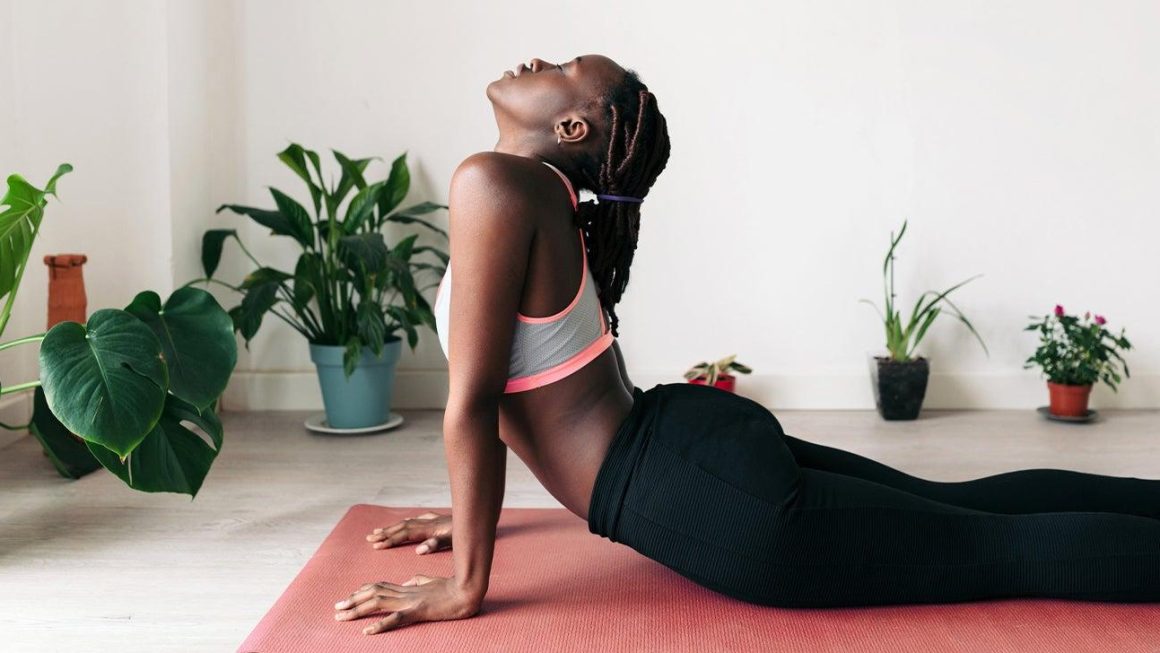
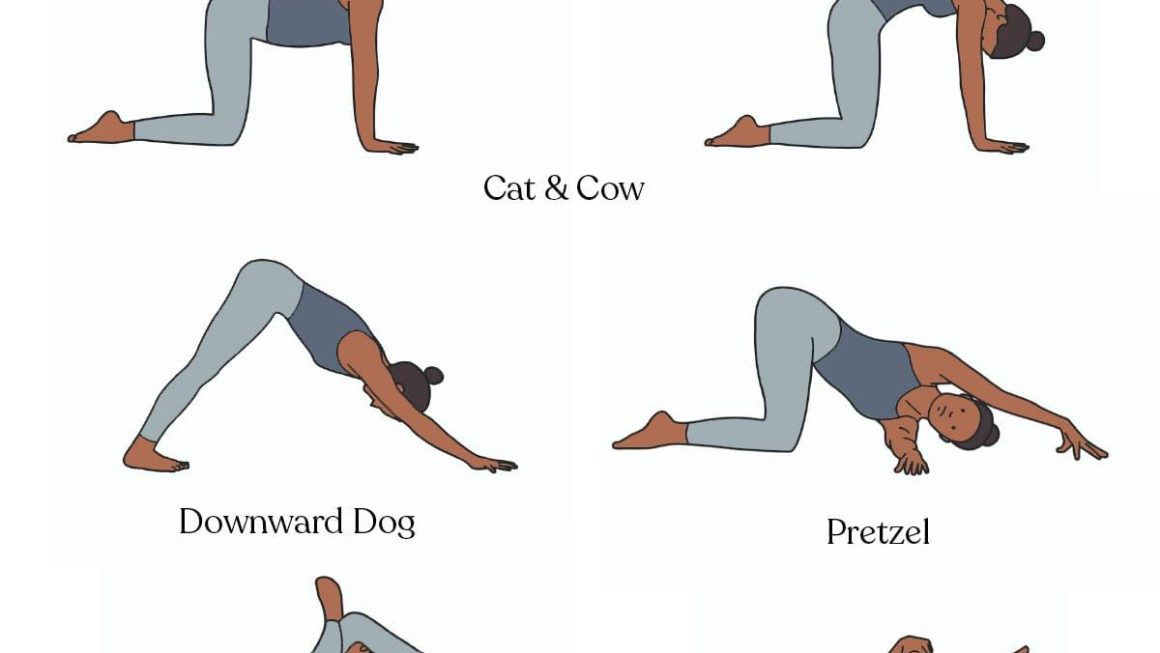
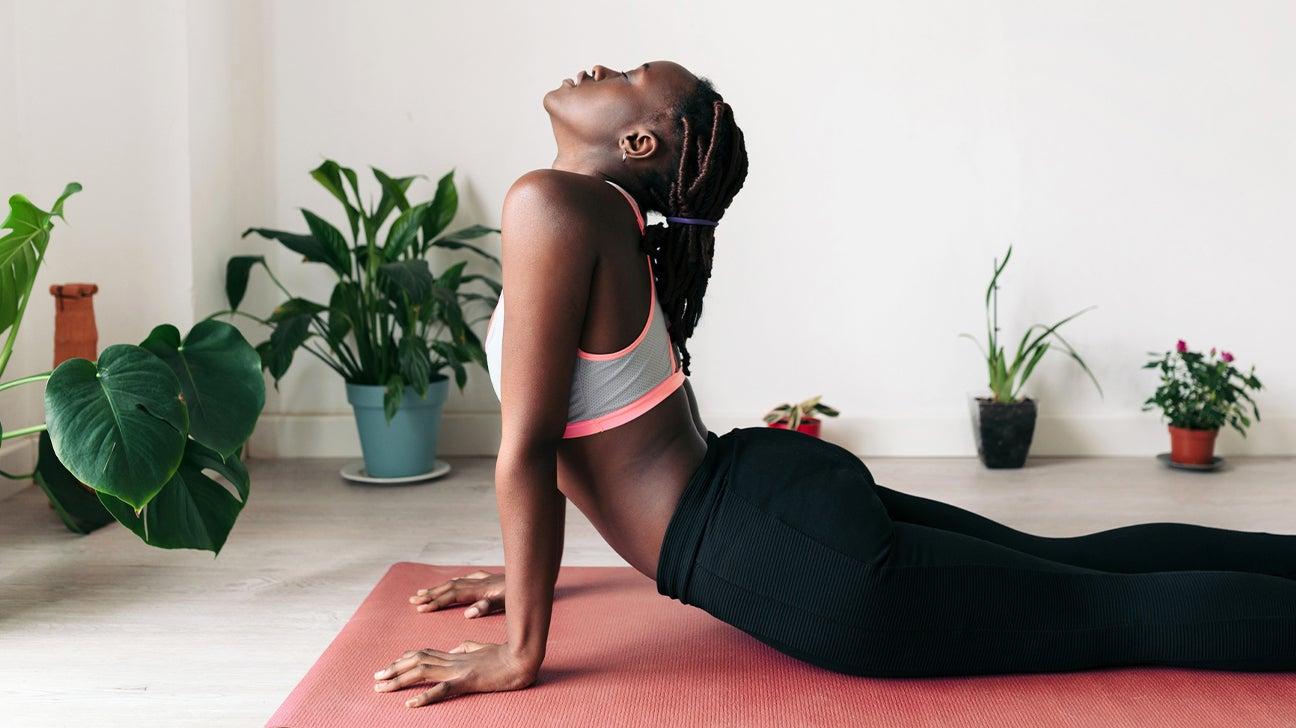
Circuit training and yoga can work well together because they challenge the body in different ways. Circuit sessions may develop strength, power, and cardiovascular endurance, while yoga can help you practise mobility, balance, body awareness, and controlled breathing. The best combination depends on your schedule, training history, and recovery needs.
One possible weekly structure is two circuit sessions and two or three yoga practices, with easier or restorative yoga placed after demanding workouts. You do not need to follow that exact pattern. If you are new to circuit training, begin with fewer sessions and allow time to see how your body responds before adding more work.
Pay attention to overlapping demands. A challenging leg circuit followed immediately by an intense yoga session may leave your muscles fatigued and affect your technique. Spacing harder sessions apart, using gentle mobility work on recovery days, and prioritising sleep, food, and hydration can make the overall routine more sustainable.
Questions to ask before your first class
- Is the session suitable for beginners?
- What equipment and footwear should I bring?
- Can exercises be modified for injuries or lower-impact training?
- How large is the class, and how much individual instruction is provided?
- Do I need to book in advance or complete a health questionnaire?
- Are there trial sessions or short-term payment options?
Make convenience part of the decision
The most effective local class is one you can attend consistently. Compare travel time, class schedules, cost, coaching quality, and how well the sessions fit around your yoga practice and other commitments. A nearby gym with a simple equipment circuit may be more useful than a highly specialised studio that is difficult to reach.
Try more than one option if possible, then choose the class that feels safe, appropriately challenging, and enjoyable. With the right format and sensible recovery, circuit training can add variety and useful conditioning to a balanced yoga and fitness routine.