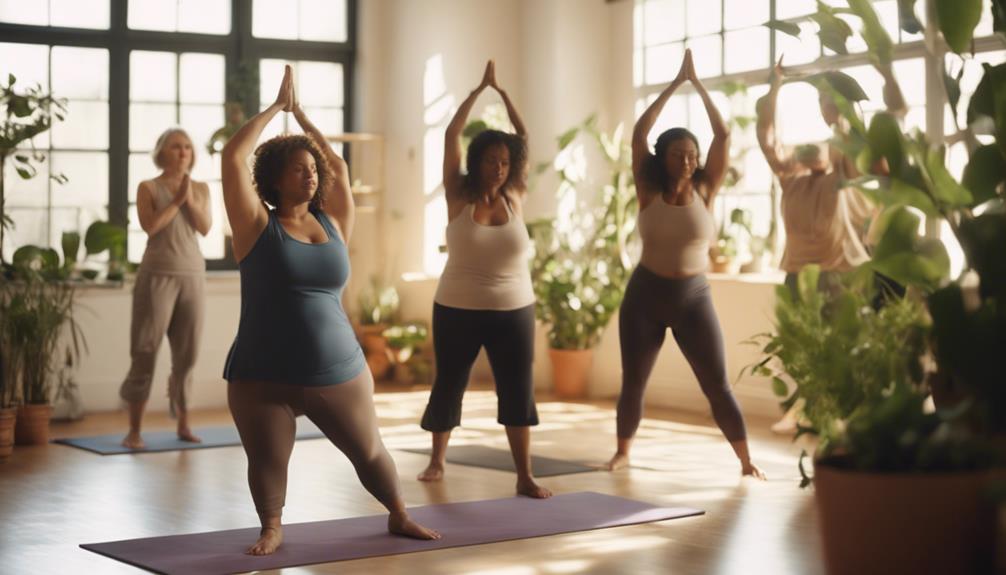
Searching for stretch classes near me can be a practical way to make mobility work part of your regular routine. A guided class may suit people who feel stiff after long periods of sitting, want focused flexibility training, or are looking for a recovery-oriented complement to activities such as running, strength training, or yoga.
Dedicated stretching sessions are different from general fitness classes because the main focus is controlled movement, flexibility, and range of motion. The right class can also provide structure and coaching, making it easier to stretch consistently and avoid forcing a movement beyond a comfortable limit.
What happens in a stretch class?
Most sessions begin with gentle movements to prepare the body, followed by stretches held for varying lengths of time. Depending on the studio and class format, you may work through a full-body sequence or focus on areas such as the hips, shoulders, hamstrings, back, or calves.
Classes may include a combination of:
- Static stretches held in a controlled position
- Active flexibility exercises that require you to support your own range of motion
- Dynamic movements that gradually prepare joints and muscles for activity
- Breathing and relaxation techniques
- Props such as mats, straps, blocks, or cushions
- Assisted stretching led by an instructor or trained practitioner
A well-organised class should offer modifications rather than expecting everyone to move in exactly the same way. You should be able to ask questions, work within your current limits, and understand which sensations are expected and which may indicate that you should stop.
How to search for stretch classes near me
Begin with map and local search tools, then compare the options that are realistically accessible from home, work, or your usual training location. Searching by neighbourhood or postcode can help narrow the results when a broad search produces too many studios.
When reviewing a potential class, look beyond its rating. Check the:
- Class descriptions and stated goals
- Instructor experience and relevant training
- Session length and difficulty level
- Available times and booking requirements
- Class size and whether individual guidance is provided
- Cost of drop-in visits, class packs, or memberships
- Location, parking, public transport, and changing facilities
Reviews can be useful for learning about the atmosphere, communication style, cleanliness, and overall organisation. However, experiences vary, so it is worth contacting the studio directly with questions about your goals or any movement restrictions.
Choosing between different stretching formats
Not every stretching studio uses the same approach. Group classes are often a good choice if you enjoy a scheduled routine and a shared environment. Smaller classes may provide more opportunities for corrections and personalised alternatives. One-to-one sessions can be helpful when you want a programme tailored to specific mobility goals, although they may cost more than group classes.
Some facilities emphasise relaxation and gentle stretching, while others use more active flexibility drills or techniques involving assisted movement. If you are new to stretching, a beginner or introductory class can make it easier to learn the studio’s methods before attending a more demanding session.
Stretch classes versus yoga
Stretch classes and yoga overlap, but they are not identical. Yoga commonly combines poses with breathing, balance, strength, and a broader mind-body practice. A dedicated stretching class is usually more narrowly focused on flexibility and mobility, with longer holds or targeted work for particular muscle groups and joints.
Some people choose one or the other, while others use both. Yoga may add balance and functional strength to a routine, while focused stretching can provide additional attention to areas that feel restricted. The best option depends on whether your priority is relaxation, general movement, flexibility, strength, or a combination of these.
Try a class before committing
A trial class or single-session booking is one of the best ways to assess whether a studio is suitable. Before attending, ask what to wear, whether you need to bring a mat, how early to arrive, and whether the class is appropriate for beginners.
During the session, notice whether the instructor explains each movement clearly and offers alternatives when needed. You should not feel pressured to compete with other participants or push through sharp pain. If you are recovering from an injury, have a medical condition, or are unsure whether stretching is appropriate for you, seek guidance from a qualified healthcare professional before booking.
Make your choice based on fit, not just distance
The closest stretching studio is not necessarily the best one. Look for a class that matches your schedule, experience, budget, and preferred level of guidance. A welcoming environment and an instructor who communicates clearly can make it much easier to attend regularly.
Whether your goal is to move more comfortably, support athletic recovery, or add focused mobility work to a yoga or fitness routine, comparing local options and trying a class first can help you find a sustainable fit.