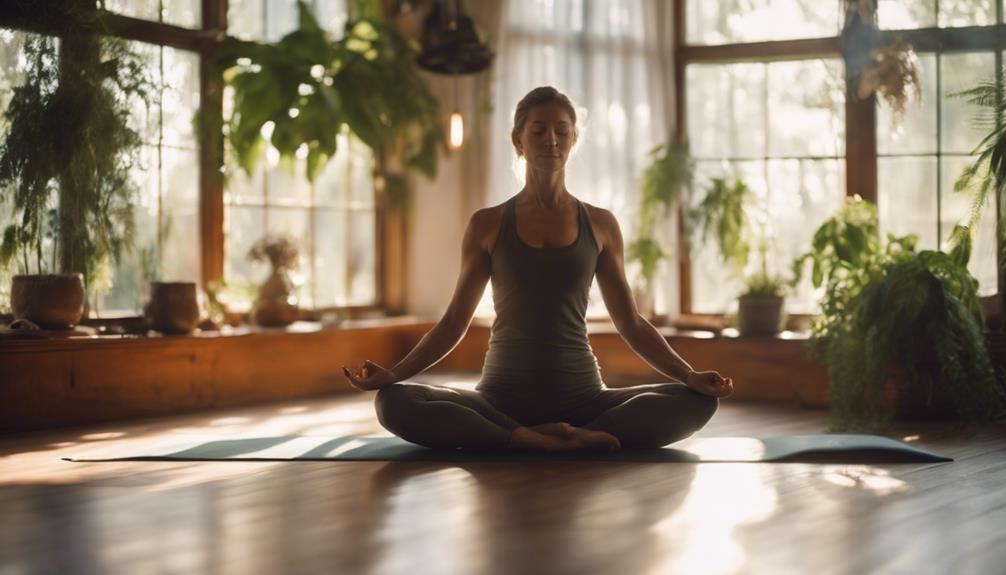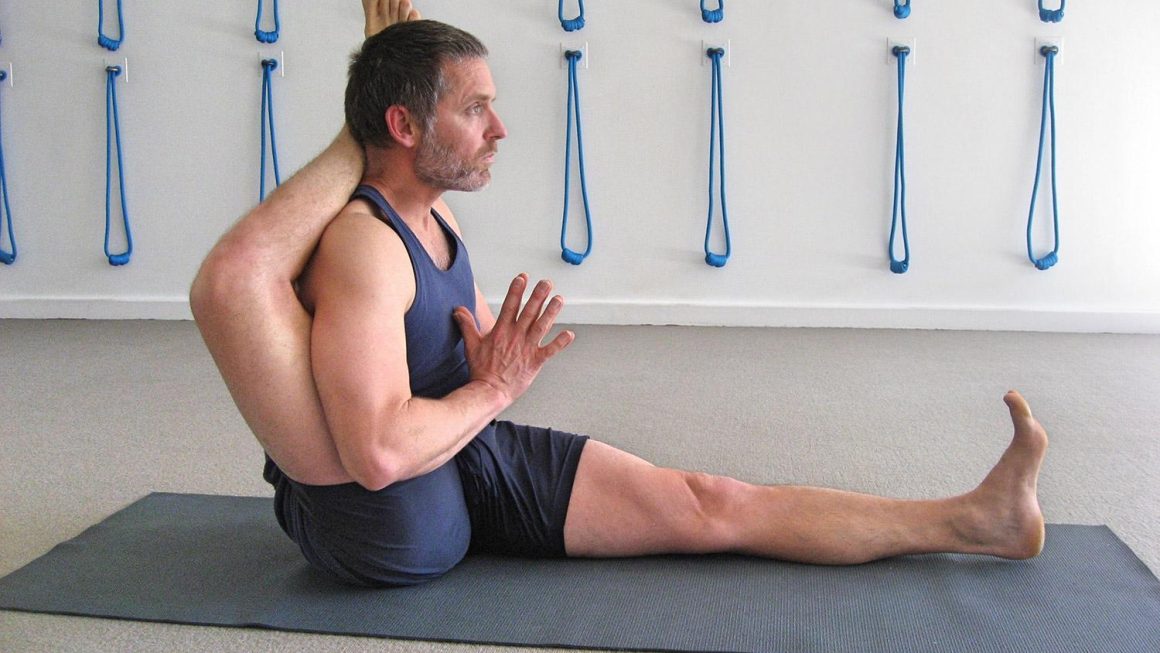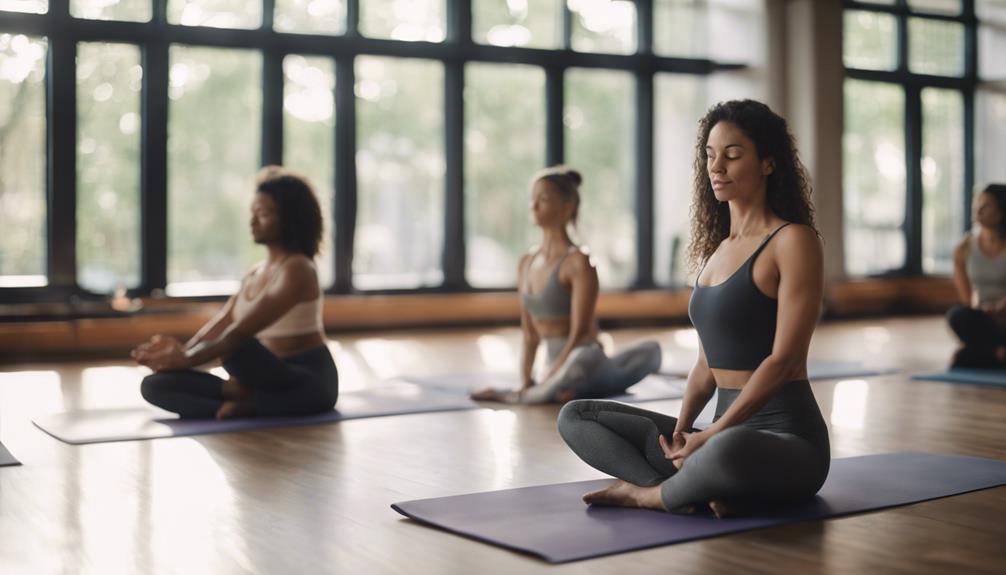
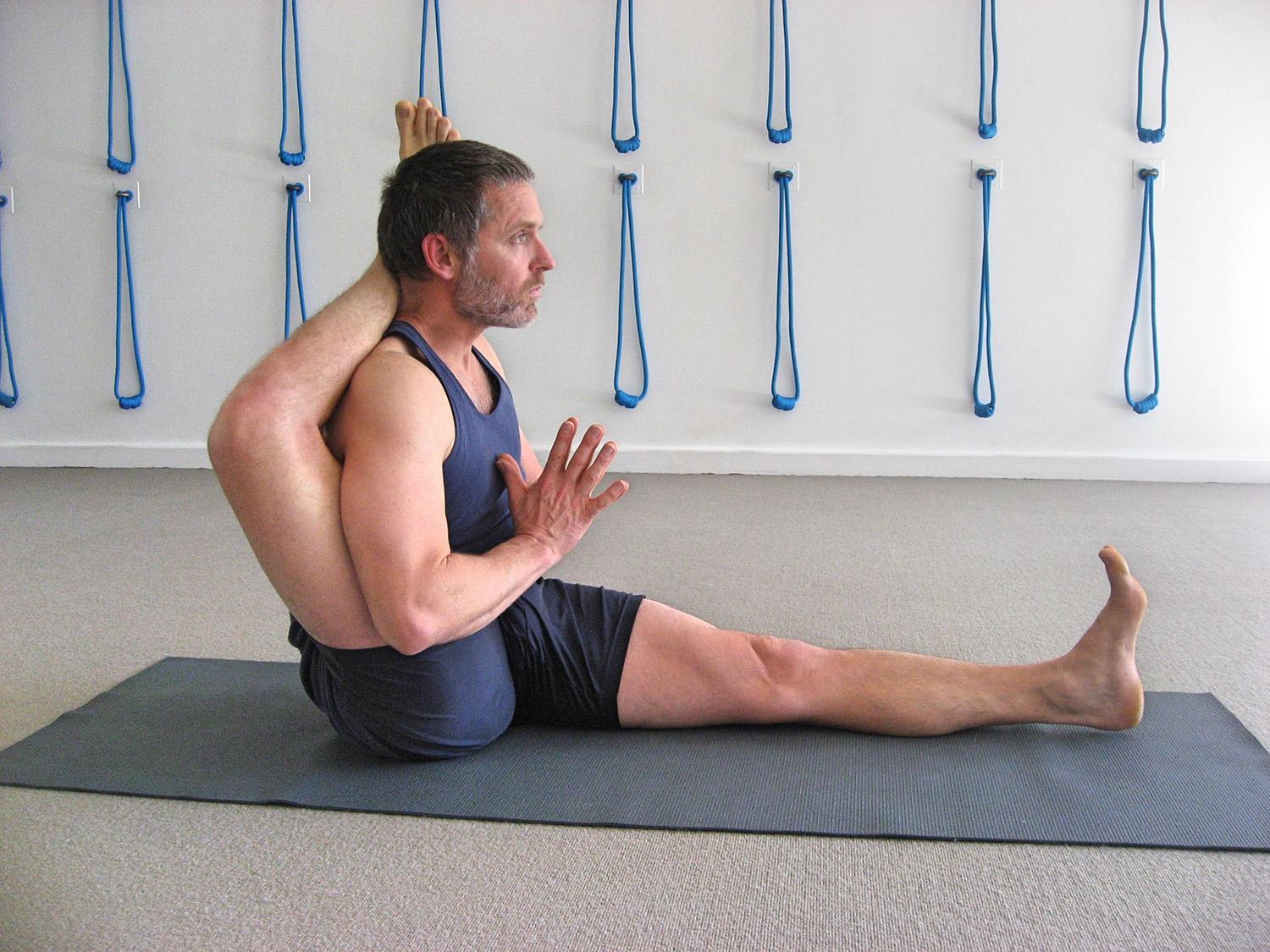
Finding a yoga class in Flower Mound does not have to be complicated. Local studios and independent instructors may offer several approaches, from energetic flows that build heat and strength to quiet practices designed to support relaxation and mobility. The best choice depends on your experience, schedule, physical needs, and the kind of environment in which you feel comfortable practicing.
Start with your goals
Before comparing studios, consider what you want from yoga. Your goal may be to become more flexible, develop strength, manage everyday stress, improve body awareness, or establish a consistent wellness routine. You may also be looking for a welcoming introduction to yoga or a class that accommodates an existing injury or physical limitation.
Having a clear goal makes it easier to understand class descriptions and decide which instructors or formats are worth trying. If you are uncertain, a beginner-friendly or fundamentals class can provide a useful starting point.
Explore different yoga styles
Yoga classes can differ considerably in pace, intensity, and teaching emphasis. When reviewing yoga Flower Mound options, look for descriptions that explain what the class involves rather than choosing by title alone.
- Hatha or foundational yoga: Often taught at a measured pace, with attention to basic postures, breathing, and alignment.
- Vinyasa or power flow: Uses linked movements and may provide a more physically demanding practice.
- Yin yoga: Usually involves slower transitions and longer holds, making it appealing to people seeking a quieter class.
- Restorative yoga: Uses supported positions and a gentle pace to encourage rest and relaxation.
- Alignment-focused classes: Emphasize posture details, safe movement, and modifications for different abilities.
Class names and formats vary among teachers, so read the full description and contact the studio if you are unsure whether a session is suitable for you.
What to expect at a Flower Mound yoga class
Many classes last roughly 45 to 75 minutes, although schedules differ. A typical session may include breathing exercises, warm-up movements, standing or seated postures, and a brief period of rest at the end. Teachers may demonstrate poses, offer verbal instructions, and suggest modifications for beginners or students working around limitations.
Some studios provide mats and props, while others ask students to bring their own equipment. Check the studio’s policies before arriving. Comfortable clothing that allows unrestricted movement is generally practical, and water may be useful for more active classes.
How to search for yoga near you
Using specific terms such as “yoga Flower Mound” or “yoga Flower Mound TX” can help narrow a broad search. Review each studio’s class schedule, descriptions, instructor information, registration process, and newcomer policies. Because schedules and offerings can change, confirm the details directly before attending.
Online reviews may provide clues about the atmosphere, teaching style, and overall experience, but they are only one part of the decision. A trial class, drop-in visit, or introductory package can help you judge whether the pace and environment suit you.
Questions to ask before booking
If you have never attended a particular studio, a few practical questions can prevent surprises:
- Is the class appropriate for beginners?
- Are mats, blocks, straps, or blankets available?
- Is advance registration required?
- Is the room heated, and how vigorous is the class?
- Can the instructor provide modifications for injuries or limited mobility?
- What should you bring, and how early should you arrive?
Arriving 10 to 15 minutes early gives you time to check in, arrange your space, and tell the instructor about relevant injuries or concerns. If you have a medical condition or are recovering from an injury, discuss your plans with a qualified healthcare professional and share appropriate information with your yoga teacher.
Consider the studio community
Convenience matters, but the right studio is also one where you feel comfortable returning. Notice whether the instructor explains movements clearly, offers options without pressure, and creates an atmosphere that supports different experience levels. Smaller classes may provide more opportunities for individual guidance, while larger classes may offer a broader range of times and formats.
Some local yoga communities also offer workshops, outdoor sessions, or specialty classes focused on topics such as balance, inversions, or prenatal and postnatal practice. These extras are not essential, but they can help you explore new aspects of yoga and connect with other students.
Make your choice through experience
The most effective way to find a yoga Flower Mound class is to combine careful research with a little trial and error. Compare the style, schedule, location, teaching approach, and atmosphere, then attend a session that matches your current needs. With time, you can identify a practice that feels sustainable and enjoyable—making it easier to return regularly and gain the long-term benefits of consistency.