
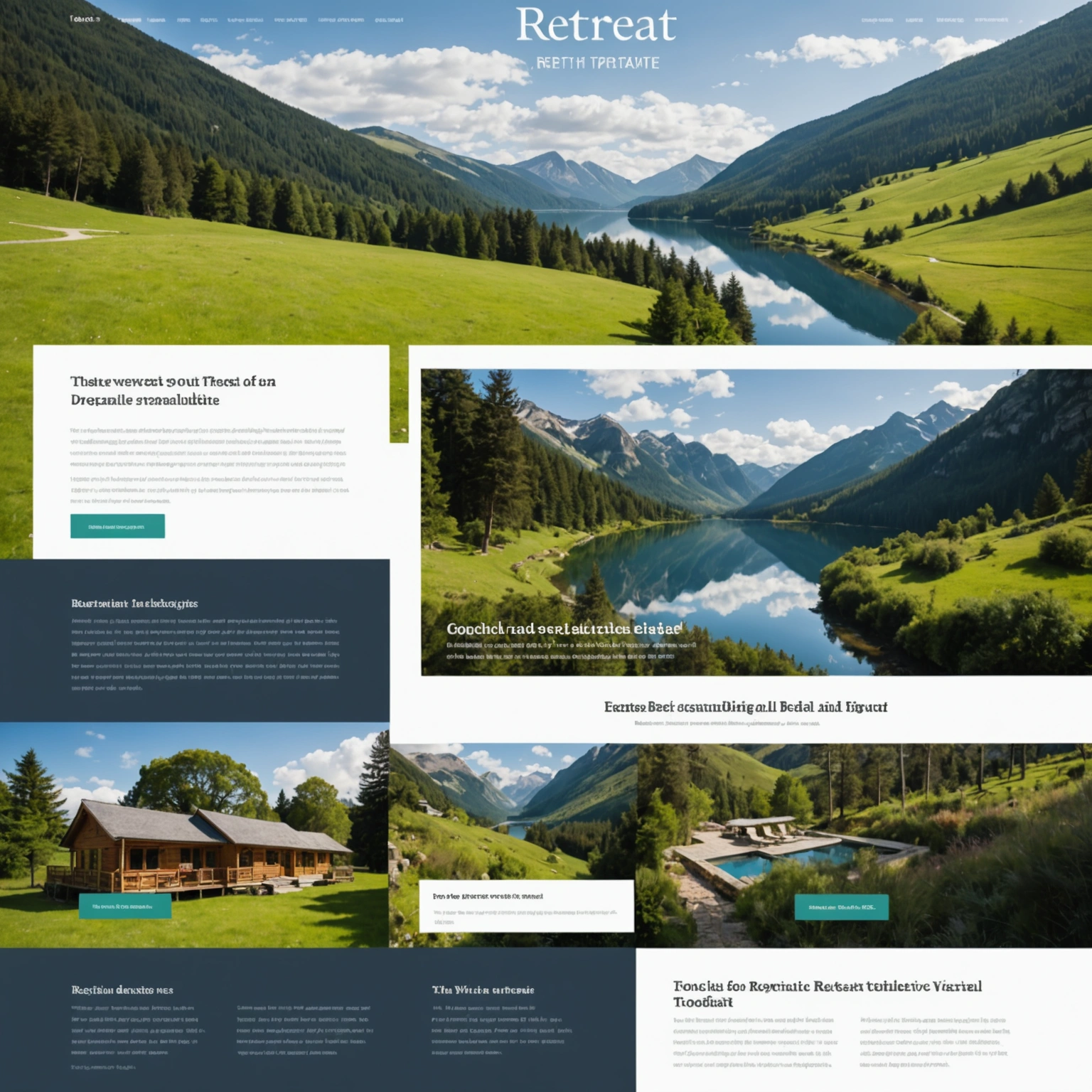
A retreat website is often the first place you encounter a yoga workshop, mindfulness program, or wellness event. Before you book, it should help you understand what the experience involves, who it is designed for, where it takes place, and what you will receive for the price. A well-organised website cannot guarantee that a retreat will be the right fit, but it can make comparison and planning much easier. Feature upcoming yoga events on retreat websites to help visitors discover enriching practices and plan their stay.
What a useful retreat website should tell you
Look for practical information before being persuaded by attractive photography or broad promises. A reliable retreat listing should explain:
- The dates, length, location, and daily schedule
- The intended level of yoga or physical activity
- The names and experience of teachers or facilitators
- What the price includes, such as accommodation, meals, classes, and activities
- Room types and whether spaces are private or shared
- Deposit, cancellation, refund, and booking conditions
- Travel instructions and any requirements for participants
If important details are missing, contact the organiser before making a payment. Clear answers can help you distinguish between a programme that is carefully planned and one that has not provided enough information for informed booking.
Search according to your purpose
Start by deciding what you want from the retreat. Someone looking for a quiet break may prefer a gentle yoga or mindfulness programme, while another participant may want intensive practice, teacher training, or a structured personal-development experience.
Search terms can help narrow the options. Try phrases such as “mindfulness retreat near me,” “personal retreats near me,” or “retreats near me for adults” when location and audience matter. If your time is limited, search for a one-day retreat or a short local workshop. For a longer stay, include the destination, dates, preferred retreat type, and accommodation needs.
Some websites allow filtering by price, dates, activity, room type, or teacher. Use those filters as a starting point, then read the complete listing rather than relying only on the category label.
Compare retreat formats and accommodation
Retreats can differ considerably even when they use similar names. A mindfulness retreat may focus on meditation and quiet reflection, while a mindfulness spa retreat may combine those practices with treatments and leisure facilities. A spiritual wellness retreat may include guided contemplation, group discussions, or rituals. Experimental retreats may combine yoga with creative work, sound-based practices, outdoor activities, or other approaches.
Read the itinerary carefully to understand the pace and expectations. A full schedule of classes and group sessions may suit someone seeking structure but feel demanding to someone hoping to rest. Also check the accommodation description. Confirm whether rooms have shared facilities, whether meals are included, and whether the setting is suitable for your accessibility, dietary, privacy, and comfort requirements. Retreat websites can showcase Pennsylvania yoga retreats with schedules, accommodations, and registration details for interested guests.
Check the booking details before paying
Availability can change quickly for a yoga retreat next week or a popular weekend event, but urgency should not replace careful checking. Review the total cost, payment schedule, cancellation terms, and any additional charges. If the listing shows limited availability, contact the organiser to confirm that the place is still open before transferring money.
For last-minute or one-day programmes, verify the start and finish times, meeting point, transport options, and what you need to bring. For residential retreats, ask about arrival arrangements, dietary accommodations, luggage, local transport, and possible schedule changes. Flexible booking terms may be particularly useful when travel plans are uncertain.
Evaluate the people and the atmosphere
The website should give you a reasonable sense of who will lead the programme and how the group will be supported. Facilitator biographies, sample schedules, participant guidance, and clear contact information are useful signs of transparency. If the retreat involves emotionally intensive group work, personal disclosure, or demanding physical practices, the description should explain that plainly.
Reviews can provide additional perspective, but read them critically. Look for comments about organisation, communication, teaching style, accommodation, and whether the programme matched its description. A retreat may be well suited to one person and unsuitable for another, so compare feedback with your own priorities.
Make a confident choice
The best retreat website is not necessarily the most elaborate. It is the one that provides enough accurate detail for you to judge whether the location, programme, accommodation, cost, and teaching approach match your needs. Take time to compare several options, ask direct questions, and save copies of the booking information.
Whether you are searching for a nearby mindfulness retreat, a weekend yoga workshop, a spiritual wellness programme, or a more adventurous experimental retreat, careful research can reduce surprises and help you choose an experience that fits your schedule and intentions.