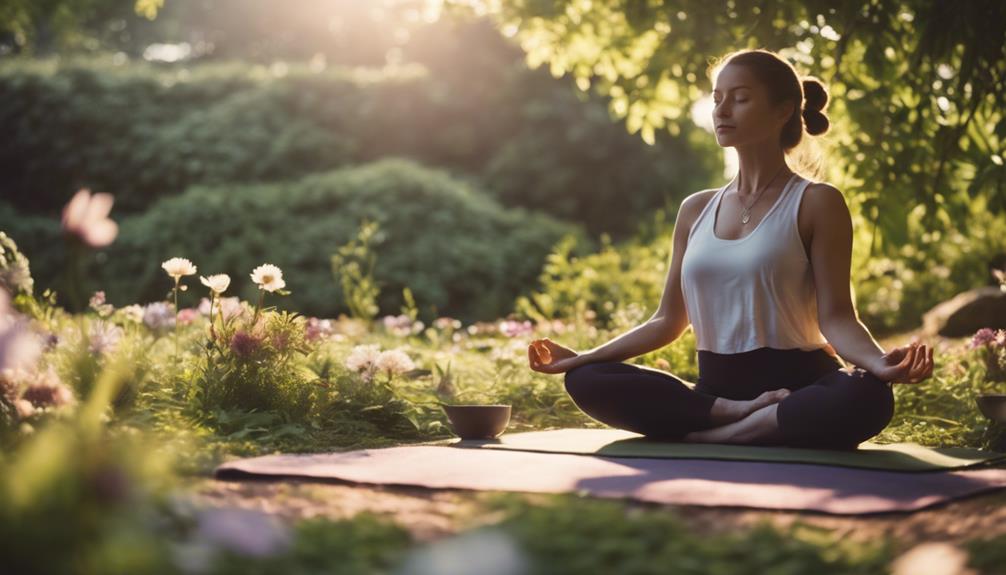
Starting yoga does not require exceptional flexibility, athletic experience, or a particular body type. A beginner practice is a chance to learn how to move with greater awareness, coordinate movement with breathing, and build confidence gradually. Whether you attend a class or practise at home, the most useful approach is one that feels manageable, consistent, and respectful of your current abilities.
What beginner yoga can help you develop
Early yoga sessions focus less on achieving impressive shapes and more on learning the fundamentals. You will begin to explore alignment, balance, controlled movement, and breath awareness. These skills can support better body awareness while helping you notice areas of tension and habits such as holding your breath or overusing one part of the body.
Yoga can also provide a gentle way to develop strength and mobility. Standing poses challenge the legs and improve coordination, while supported stretches may ease tension around the shoulders, hips, and back. The combination of deliberate movement and calm breathing can make a practice feel settling as well as physical.
What to expect from a beginner class
A beginner-friendly class usually progresses at a measured pace. The session may begin with quiet breathing or a short centering exercise, followed by gentle movements to warm the joints and prepare the body. The instructor may then introduce a selection of standing, seated, balancing, and resting poses before ending with relaxation.
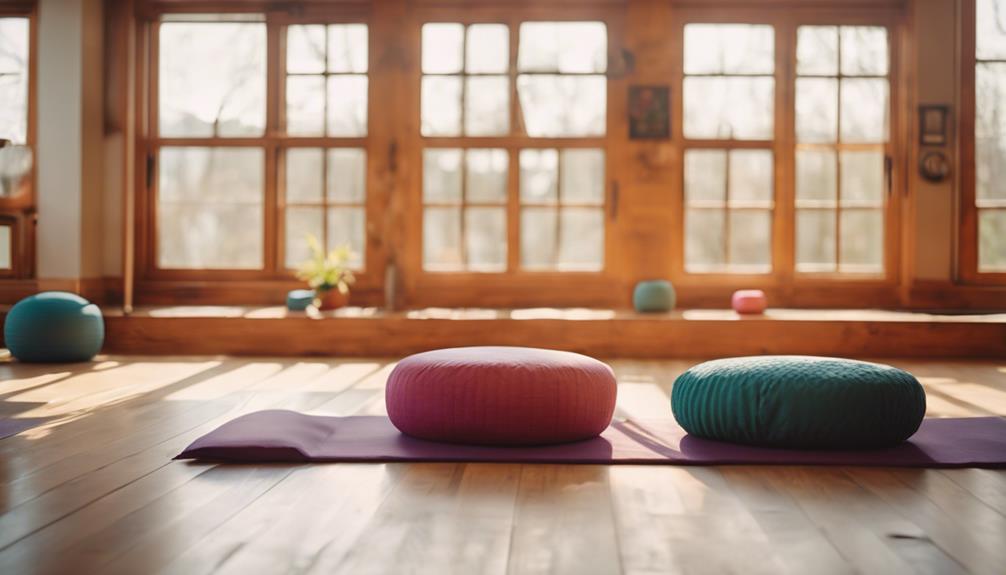
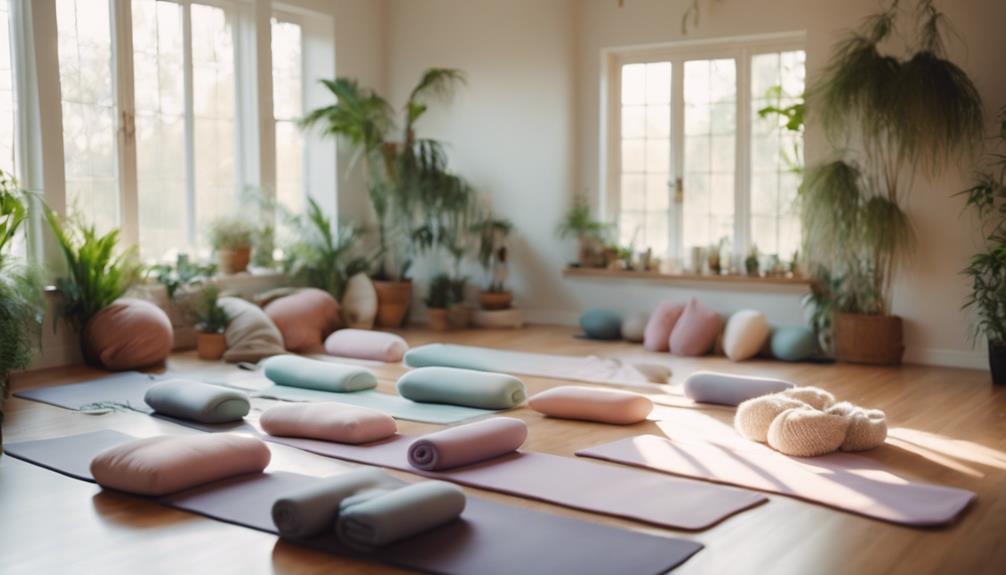
Good instruction should include clear explanations and options for different levels of mobility. Blocks, straps, bolsters, folded blankets, or a chair can make poses more comfortable and provide extra support. You are not expected to match anyone else in the room. It is appropriate to rest, change a pose, or ask for an alternative whenever something does not feel right.
Foundational poses to learn first
These poses offer a useful introduction to common yoga shapes and principles:
- Mountain pose: Practise standing with steady feet, relaxed shoulders, and an even breath. This pose builds awareness of posture and grounding.
- Child’s pose: Use this restful position whenever you need a pause. A cushion or folded blanket can make it more comfortable.
- Downward-facing dog: This pose develops awareness through the hands, shoulders, legs, and spine. Keep the knees bent if that allows you to maintain a longer, more comfortable back.
- Warrior II: This standing pose works the legs and encourages stable alignment. Keep the stance as wide or narrow as feels controlled.
- Gentle seated twist: Rotate only as far as is comfortable while keeping the movement slow and easy. Avoid pulling yourself deeper with your arms.
- Supported forward fold: Bend the knees and use support beneath the hands if needed. The aim is a comfortable stretch, not reaching the floor.
In every pose, let the breath remain smooth. A modification is not a lesser version of the pose; it is a practical way to make the movement suit your body today.
Creating a simple home practice
You can begin with 15 to 30 minutes, a few times each week. A short routine might include:
- Two or three minutes of quiet breathing.
- Gentle movements for the neck, shoulders, spine, hips, and ankles.
- Two to five foundational poses, held without straining.
- A resting pose or several minutes of relaxation at the end.
Choose a clear area with a non-slip surface and keep any helpful props nearby. Practising at a similar time can make the habit easier to remember, but consistency matters more than following a perfect schedule. Increase the length or variety of your sessions slowly rather than trying to do everything at once.
Safety tips for new practitioners
- Do not force a pose or use pain as a measure of progress.
- Stop if you experience sharp, sudden, or worsening pain and reassess the movement.
- Keep breathing steadily instead of holding your breath during effort.
- Use a smaller range of motion, bend the knees, or add support whenever necessary.
- Focus on your own practice rather than comparing your flexibility or balance with someone else’s.
- If you have an injury, a medical condition, or concerns about particular movements, seek appropriate professional guidance before beginning.
Progress through patience and attention
Yoga progress is not always measured by touching your toes or holding a challenging balance. You may notice that you move with more control, recover from tension more easily, or feel more comfortable paying attention to your breath. Small, regular sessions are often more sustainable than occasional strenuous workouts.
Begin with simple poses, make adjustments freely, and allow your practice to develop at its own pace. The strongest foundation is built through steady attention, realistic expectations, and a willingness to respect what your body is telling you.
Related Guides
- 10 Minutes Yoga
- 10 Minutes Yoga
- 15 Minute Yoga For Beginners
- 15 Minute Yoga For Beginners
- Chair Yoga For Beginners Free Videos
- Great Yoga Videos
- Great Yoga Videos
- How Can I Learn Yoga At Home
- Morning Yoga
- Pediatric Yoga Poses
- Printable Beginner Yoga Sequence
- Yoga Practice For Beginners
- Yoga Program For Beginners