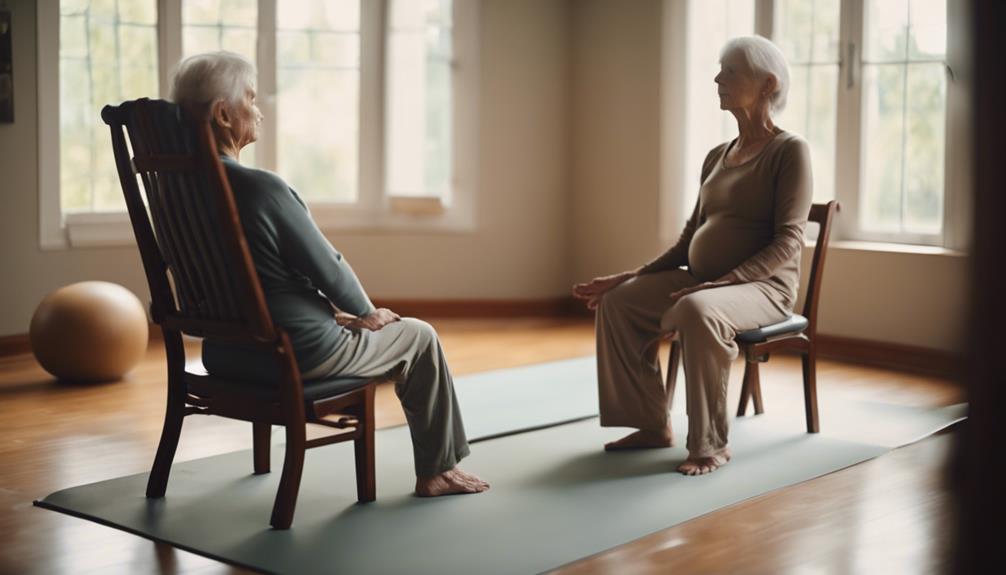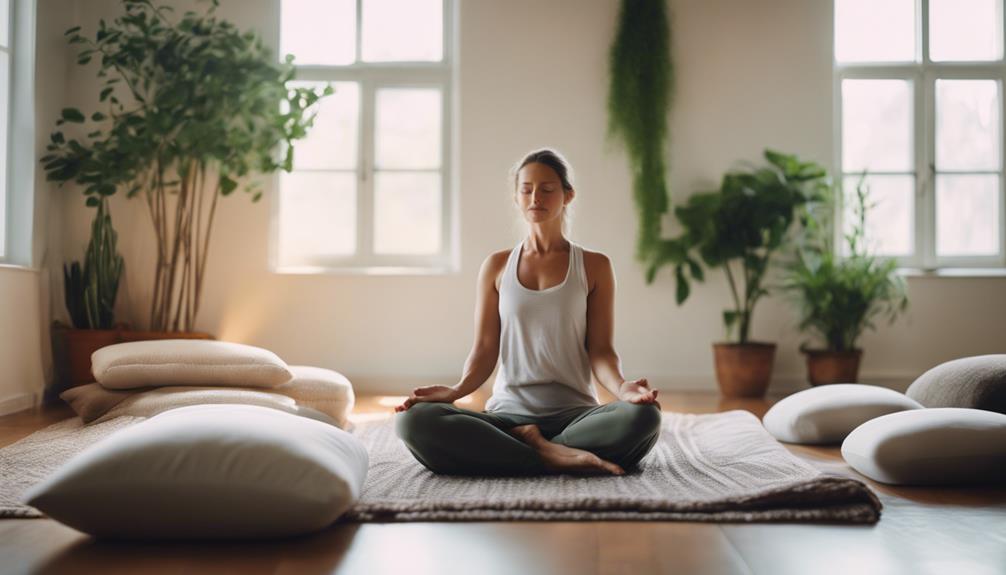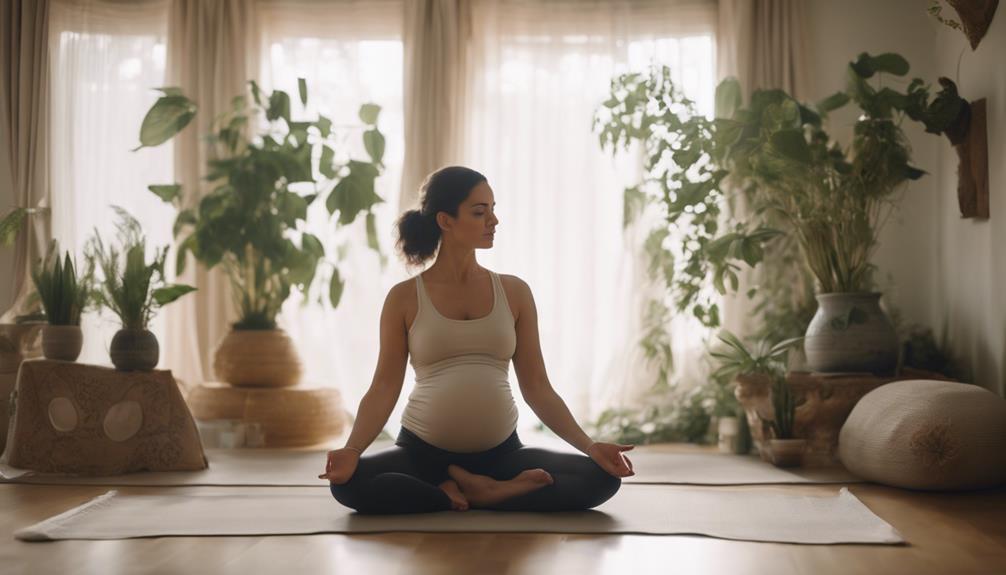
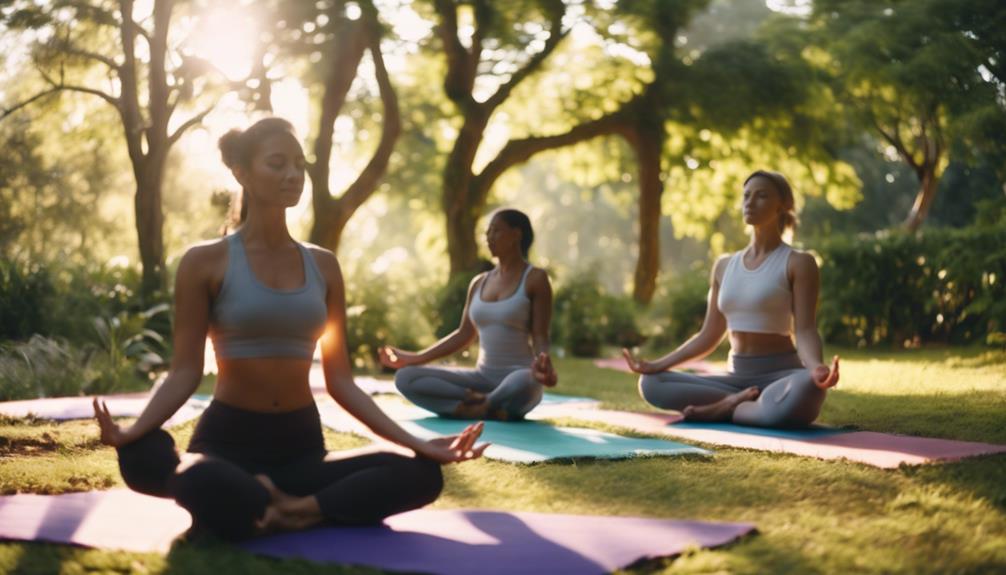
A solo retreat can create valuable space away from work, routines, and other people’s expectations. Whether you want to strengthen your yoga practice, rest and recover, or spend more time in meditation, attending alone gives you the freedom to shape the experience around your own needs. A retreat does not have to be far away or several weeks long; a nearby weekend program or day-based workshop may provide the reset you are looking for. Solo retreats become more meaningful when local yoga gatherings add community, movement, and mindful connection.
What makes a solo retreat worthwhile?
Travelling to a retreat alone can make it easier to pay attention to your energy, emotions, and physical limits. You can participate fully without comparing your progress with a friend or adjusting every decision to suit a group. That independence may support more honest reflection and help you notice what kind of practice, rest, or guidance is most useful to you.
For yoga students, a solo retreat can also offer uninterrupted time for movement, breathwork, meditation, and study. Some people use the experience to explore a particular aspect of practice, while others simply want a calm setting in which to slow down. Setting a simple intention before you book can help you choose a program that feels purposeful rather than overwhelming.
Types of solo retreats to consider
Retreats vary considerably in structure and intensity. Consider the format that best matches your available time, experience, and reason for going:
- Yoga-focused retreats: These may include daily classes, technique workshops, philosophy discussions, or opportunities for individual feedback.
- Restorative wellness stays: These typically place greater emphasis on gentle movement, relaxation, quiet time, and self-care.
- Meditation or silent retreats: These offer a more contemplative schedule and may limit conversation or outside distractions.
- Nature-based escapes: Walking, outdoor activities, and time away from busy surroundings may complement yoga and meditation.
- Short local intensives: A one-day event, weekday program, or weekend retreat can be a practical choice when travel time or cost is a concern.
Some programs combine several of these elements. Read the schedule carefully so you know how much time is guided, how much is independent, and whether the pace suits your current fitness and energy levels.
How to search for a retreat near you
Begin with a clear list of priorities. Decide whether location, price, dates, teaching style, accommodation, or a particular form of yoga matters most. You can then search local studios, retreat centres, wellness venues, and yoga workshop calendars for suitable programs. Recommendations from people whose preferences resemble yours can also be useful, but treat every recommendation as a starting point rather than a guarantee.
When comparing options, look for practical details such as:
- The length and daily schedule of the retreat
- The experience and training of the teachers or facilitators
- Whether classes are suitable for beginners, experienced students, or mixed levels
- The number of participants and opportunities for questions or individual guidance
- What is included in the price, including accommodation, meals, classes, and activities
- Travel arrangements, accessibility, and the amount of free time
Participant reviews may help you understand the atmosphere and organisation, but pay particular attention to specific information rather than broad promises. If the description leaves out something important, contact the organiser before booking. When exploring solo retreats near me, personal growth retreats can offer structured reflection, practical tools, and meaningful renewal.
Preparing for a solo yoga retreat
A little preparation can make the experience more comfortable. Choose an intention that is realistic and personal, such as resting properly, developing a steadier meditation habit, or learning more about alignment. You do not need to arrive with a major goal or expect a dramatic transformation.
Pack clothing that allows comfortable movement and layers for changing temperatures. A water bottle, suitable footwear, personal toiletries, and any medication you need should be easy to access. Check whether the venue provides mats, blocks, blankets, or other props. If outdoor sessions are planned, bring appropriate protection from the weather.
Food is another important consideration. Ask in advance how meals are handled and explain allergies, dietary restrictions, or other health needs during registration. If you have an injury or medical condition, discuss it with the retreat organiser and your healthcare professional as appropriate. The teacher should know about relevant limitations before classes begin.
Review the cost, safety, and booking terms
The advertised fee may not cover every part of the trip. Confirm whether transport, optional treatments, excursions, equipment, or extra meals cost more. Also check the deposit requirements, payment schedule, cancellation policy, and what happens if the organiser changes the program.
Safety questions are especially important when attending alone. Find out who will be present, how to contact staff outside scheduled sessions, and whether the accommodation and practice spaces meet your needs. For hands-on adjustments, advanced movement, or therapeutic offerings, ask about the teacher’s qualifications and whether participation can be modified or declined.
Choosing an experience that fits
The best solo retreat is not necessarily the most remote, intensive, or expensive option. It is the one whose schedule, teaching approach, setting, and level of support match what you genuinely need. A nearby retreat may be easier to fit into your life and can provide meaningful time for practice without the pressure of extensive travel.
Compare a few options, ask direct questions, and leave room in the schedule for rest. Approached with curiosity rather than performance goals, a solo retreat can become a grounded opportunity to reconnect with your body, attention, and priorities.