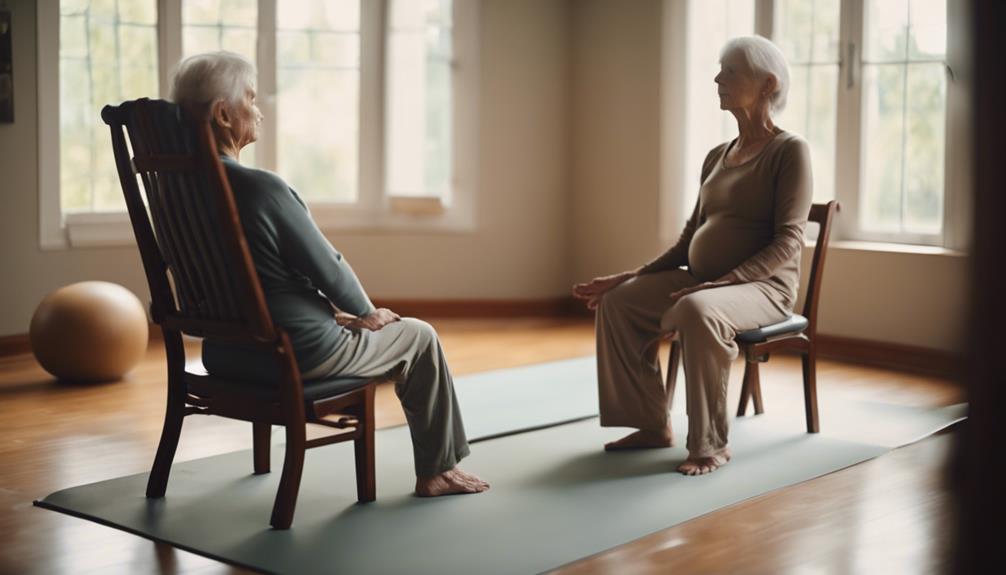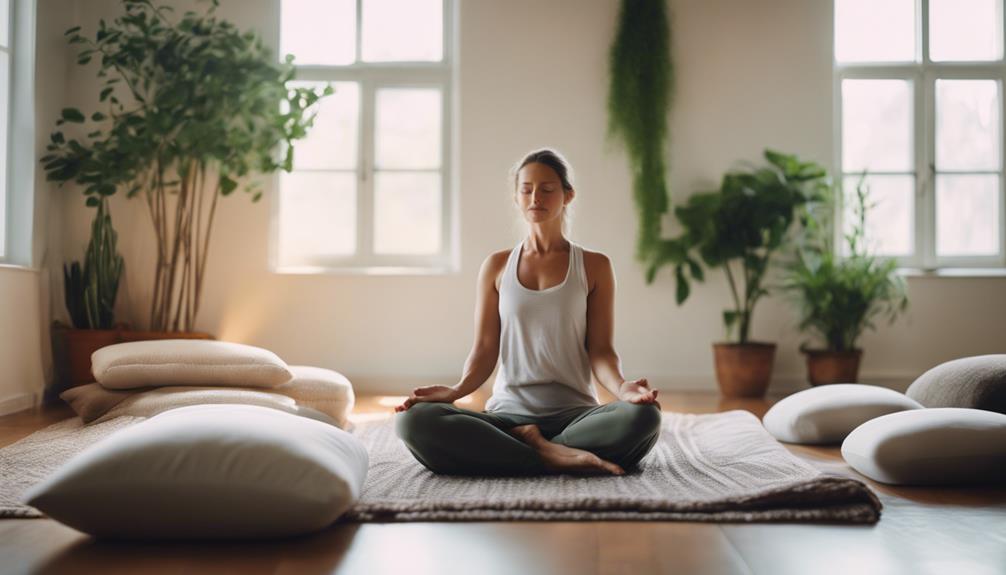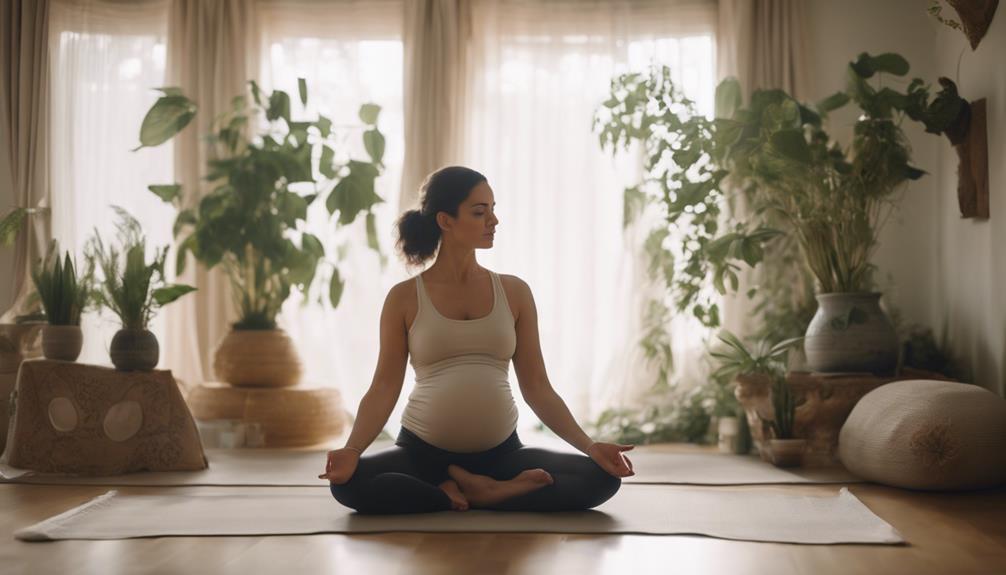
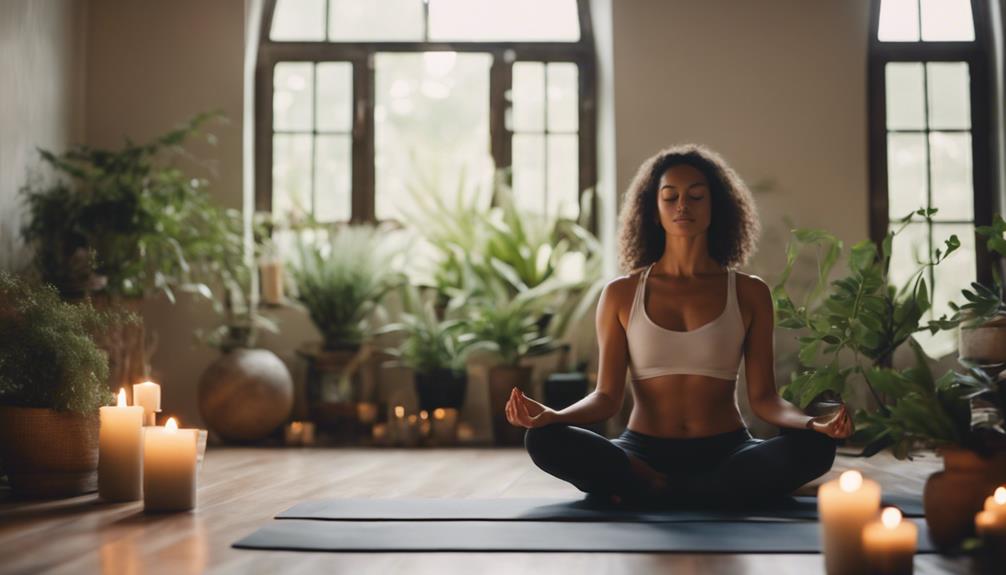
Self-help retreats offer dedicated time to step away from everyday demands, reflect on what you need, and explore practices that support mental, emotional, and physical wellbeing. Unlike a single class or short workshop, a retreat creates space for repeated practice, guided learning, rest, and personal reflection. Self-help retreats often incorporate mindful movement workshops to deepen reflection, release tension, and support lasting personal growth.
These experiences vary widely. Some focus on yoga, meditation, and stress reduction, while others centre on self-discovery, emotional healing, creative expression, or building practical habits. The right choice depends on your intentions, preferred level of structure, and the kind of support you want during and after the retreat.
Why attend a self-help retreat?
Daily routines can make it difficult to notice patterns, clarify priorities, or establish new habits. A retreat provides a temporary change of setting and a planned rhythm that can make reflection more manageable. Time away from familiar distractions may help you pay closer attention to your thoughts, physical sensations, relationships, and sources of stress.
A retreat may be useful if you want to:
- Make time for rest and deliberate self-care
- Develop or renew a yoga, meditation, or journaling practice
- Reflect on personal goals and changing priorities
- Learn practical approaches to managing stress and emotions
- Connect with others who are also interested in personal growth
- Experience a period of quiet before making thoughtful changes at home
It is best to approach a retreat as an opportunity to practise and explore, rather than as a promise of an instant transformation. Meaningful change usually depends on how well new insights can be integrated into ordinary life.
What to expect from a self-care retreat
A well-planned self-care retreat usually balances scheduled activities with unstructured time. The programme may include gentle yoga, meditation, breathwork, guided relaxation, journaling, discussion groups, or workshops focused on resilience and healthy routines. Some retreats also include time outdoors, creative activities, or quiet periods without group interaction.
Free time is an important part of the experience. It gives participants an opportunity to rest, write, walk, process what they have learned, or simply be still. A timetable that is too full may leave little room for integration, so look for a programme that allows a reasonable balance between guidance and personal space.
Meals, accommodation, and group arrangements can also influence how restorative the retreat feels. Before booking, check what is included, how much privacy is available, and whether the daily schedule matches your energy and comfort levels.
Understanding retreats for self-healing
Retreats for self-healing often place greater emphasis on emotional awareness, body-centred practices, and gradual personal work. Sessions may involve reflective exercises, restorative movement, expressive activities, or nature-based experiences. If a retreat discusses trauma, grief, or other sensitive subjects, pay close attention to the information provided about facilitator training, participant safety, confidentiality, and access to individual support.
Consider whether the programme clearly explains its limits. A retreat can complement personal development and wellbeing practices, but it should not pressure participants to disclose more than they wish or suggest that difficult experiences can be resolved simply through a few days away. Choose an environment where consent, pacing, and personal boundaries are respected. Those exploring personal growth may find spiritual retreats for singles especially meaningful when seeking connection and reflection.
How to choose among self-discovery retreats
When searching for self-discovery retreats near you, begin with the purpose of the programme rather than its location or appearance. Read the description carefully and ask whether the emphasis is on solitude, community, physical practice, emotional exploration, or practical skill-building.
Useful questions to ask include:
- What is the daily schedule, and how much free time is provided?
- Who leads the retreat, and what relevant training or experience do they have?
- How large is the group?
- Are activities suitable for different experience levels and physical abilities?
- What happens if a participant becomes overwhelmed or needs extra support?
- What are the accommodation, food, accessibility, cancellation, and refund arrangements?
- Is there guidance for applying the retreat’s practices after returning home?
A nearby day retreat can be a useful introduction if you are unsure about committing to a residential programme. It lets you experience the teaching style and group atmosphere while keeping the transition into and out of the retreat relatively simple.
The role of yoga workshops and events
Yoga workshops and events can strengthen a retreat by providing an embodied way to explore awareness, breathing, movement, and rest. A focused session may offer more time than a regular class to investigate restorative practices, alignment, meditation, or the relationship between physical sensations and emotional states.
Look for programmes that present yoga as an adaptable practice rather than a test of performance. Sessions should allow participants to work at an appropriate pace and make informed choices about their bodies. Workshops after a retreat can also help maintain momentum by providing regular opportunities to revisit the skills introduced during the programme.
Preparing for the experience and returning home
Before attending, set a flexible intention instead of demanding a particular outcome. Pack any items that support comfort and reflection, such as a journal, suitable clothing, or materials recommended by the organisers. If possible, avoid scheduling an especially demanding period immediately after the retreat.
During the final part of the programme, identify one or two realistic practices to continue at home. This might be a short period of breathing, regular journaling, a weekly yoga class, or a deliberate pause in the day. Small, repeatable steps are more sustainable than trying to recreate the entire retreat schedule.
With thoughtful preparation, appropriate support, and enough time for integration, a self-help retreat can provide a valuable pause for rest, reflection, and practical personal growth.