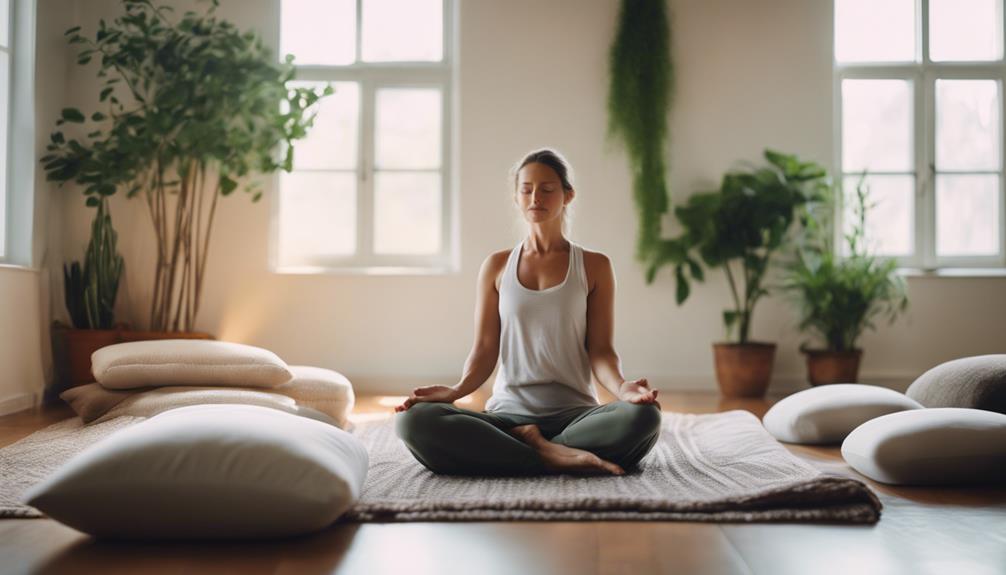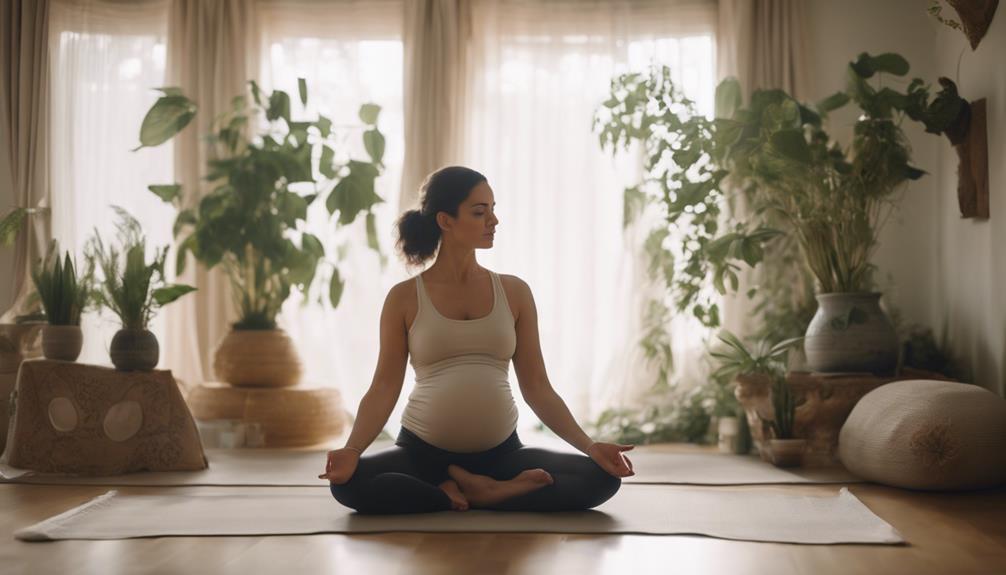
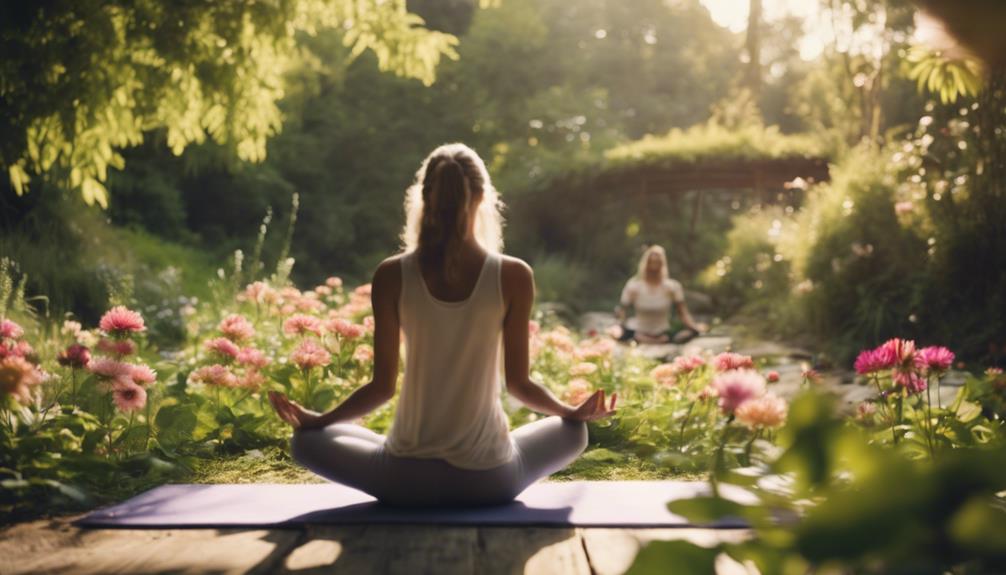
A health retreat and spa can offer more than a change of scenery. By bringing together structured yoga, meditation, nourishing meals, restorative treatments, and time away from everyday demands, a well-designed retreat creates space to focus on personal wellbeing. The right choice depends on what you want from the experience: deeper practice, physical recovery, quiet reflection, or a balanced combination of all three. Guests can complement restorative spa treatments by joining upcoming yoga workshops designed for mindful movement.
What a health retreat and spa can offer
Retreats provide a setting where wellness activities are planned into the day rather than fitted around work, family responsibilities, and other distractions. A typical programme may include yoga classes, meditation, breathwork, movement sessions, spa treatments, and periods of unstructured rest.
This combination can be particularly useful for people who find it difficult to maintain consistent routines at home. Regular sessions allow you to explore practices at a comfortable pace, while massage, hydrotherapy, or other available spa services may complement physical activity and encourage relaxation. Treatments and facilities vary, so it is important to check exactly what each retreat provides.
Yoga workshops and events at a retreat
Yoga workshops and events usually offer more focused instruction than a standard drop-in class. Instead of covering a different general sequence each day, a retreat may build its programme around a theme or progression. Sessions might explore alignment, breath, restorative practice, movement, sequencing, or other aspects of yoga.
When comparing programmes, look for details about:
- The number and length of yoga sessions each day
- Whether classes are suitable for beginners, experienced practitioners, or mixed levels
- Workshop themes and how the sessions connect across the retreat
- Class size and opportunities to ask teachers questions
- Time allocated for rest between more demanding activities
A strong schedule should leave room to absorb what you are learning. More activity is not always better; a retreat that combines focused teaching with slower sessions and downtime may be more sustainable.
Understanding all-inclusive meditation retreats
All-inclusive meditation retreats can make planning simpler, but the term does not mean exactly the same thing everywhere. Before booking, confirm whether the price includes accommodation, meals, classes, meditation instruction, workshops, and spa treatments. Some services may be included only once, available at an additional cost, or excluded altogether.
Consider whether the meditation programme matches your experience and preferences. Some retreats may emphasise guided sessions and practical instruction, while others may provide longer periods of silence, self-directed practice, or a combination of meditation and breathwork. A clear daily timetable, quiet areas, suitable guidance, and enough personal time are useful features to look for. Guests exploring a health retreat and spa can discover wellness-focused yoga options tailored to restorative goals.
Food is another practical consideration. Review the meal arrangements and ask in advance about dietary requirements. Knowing what is included helps you compare the overall value of different retreats without relying on the headline price alone.
Choose a retreat around your main goal
Start by identifying the outcome you want from the trip. Your priorities can help narrow the options quickly:
- Skill development: Choose a programme with experienced teachers, progressive workshops, and time for individual questions.
- Rest and recovery: Look for a gentler yoga schedule, substantial downtime, and spa facilities that fit your preferences.
- Meditation and reflection: Prioritise retreats centred on meditation, quiet spaces, breathwork, and reflective activities.
- A general reset: Seek a balanced timetable combining movement, relaxation, nourishing meals, and unstructured time.
Read the programme description carefully rather than choosing solely by destination or appearance. Instructor information, participant reviews, accessibility details, and the retreat’s overall tone can help you decide whether it is a good personal fit.
Prepare for a more useful retreat experience
Before travelling, set a realistic intention. You may want to develop a technique, reduce the pressure of daily routines, establish a meditation habit, or simply rest. Sharing relevant physical limitations or dietary needs with the retreat team in advance can help them understand how to support you.
Pack comfortable clothing, any items required for the activities, and something for personal reflection such as a journal. During the retreat, approach classes with curiosity rather than trying to perform at a particular level. Take breaks when needed, use quiet periods fully, and ask teachers for modifications or clarification.
Taking the benefits home
The lasting value of a retreat often depends on what happens afterward. Before you leave, choose one or two practices that feel realistic to continue. This might be a short yoga sequence, a regular meditation period, or a weekly class. Write down useful guidance while it is fresh and avoid creating an overly ambitious routine.
A health retreat and spa is most effective when its programme matches your needs and leaves you with practical habits rather than temporary enthusiasm. By checking what is included, comparing schedules, and allowing equal space for learning and rest, you can choose a retreat that supports meaningful wellbeing beyond the days you spend away.