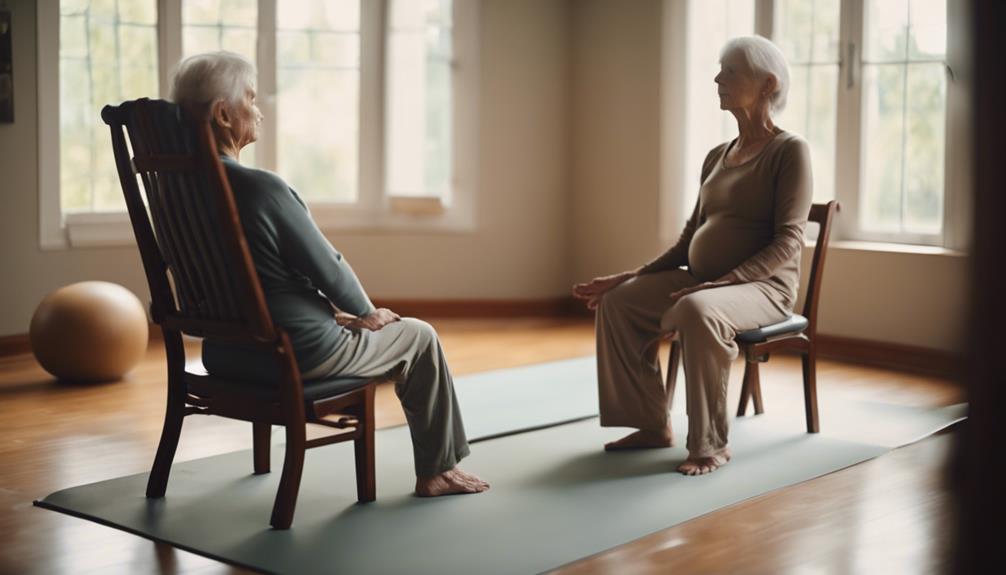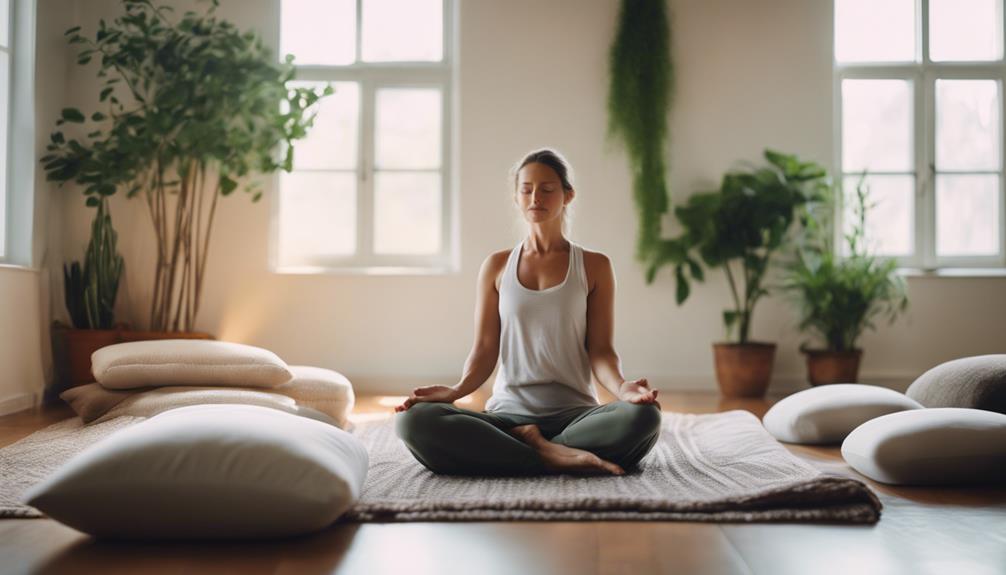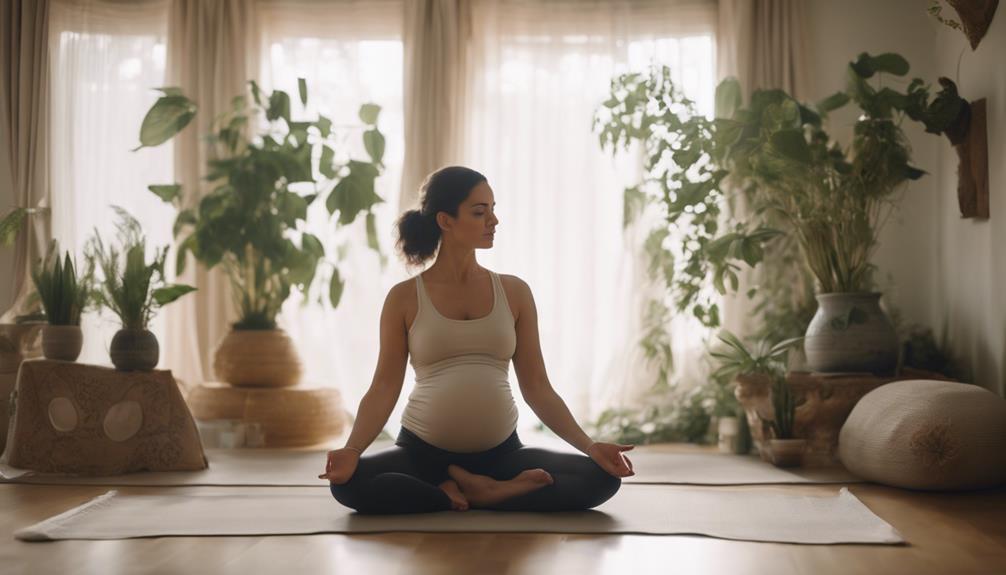
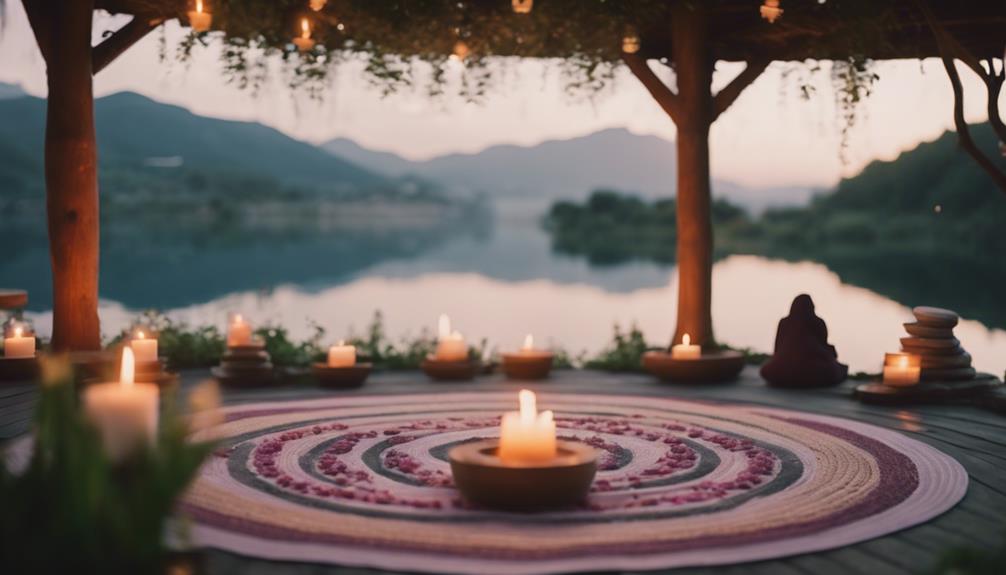
A silent yoga retreat offers a chance to step away from constant conversation, notifications, and daily demands so you can pay closer attention to your body and mind. These retreats usually combine yoga, meditation, mindful activities, and planned periods of silence. Some last a single day or weekend, while others take place over a week or longer. After your silent retreat, explore upcoming yoga workshops to continue practicing with supportive teachers and mindful communities.
If you are searching for a silent yoga retreat near you, the most important step is to find a program that matches your experience, comfort level, physical needs, and reasons for attending. A well-chosen retreat can provide focused time for practice without requiring you to travel far from home.
What Happens at a Silent Yoga Retreat?
Silence is usually intentional and structured rather than completely unplanned. The retreat schedule may include an orientation explaining when participants should remain silent, how to ask for practical help, and what to do if they feel uncomfortable or overwhelmed.
A typical day may include:
- Seated or walking meditation
- One or more yoga sessions focused on mindful movement
- Silent meals and periods of rest
- Guided practices led by a teacher
- Time for journaling, reflection, or personal practice
The style and intensity can vary considerably. One retreat may emphasize gentle or restorative yoga, while another may include more physically demanding asana practice and longer meditation sessions. Reading the full schedule before booking will help you understand how much structure and activity to expect.
Who Might Benefit from a Silent Retreat?
Silent retreats appeal to people who want to deepen an existing yoga or meditation practice, create space for reflection, or take a deliberate break from a busy routine. They can also suit beginners, provided the organizers clearly explain what support and instruction are available.
Silence is not automatically relaxing for everyone. Without ordinary conversation and digital distractions, you may notice thoughts, emotions, physical tension, or restlessness more clearly. That experience can be useful, but it may also feel challenging. If you have concerns about an intensive retreat setting, ask the organizers how they support participants who need additional guidance or a change in activity.
How to Find a Silent Yoga Retreat Near You
Begin by deciding what kind of experience you want. Search local yoga studios, retreat centers, meditation groups, and community organizations for terms such as “silent retreat,” “silent yoga weekend,” “mindfulness retreat,” or “meditation and yoga retreat.” Nearby one-day programs can be a practical introduction before committing to a residential retreat. Those seeking quiet yoga experiences may also appreciate a women’s wellness getaway nearby.
When comparing options, look for clear information about:
- Length: Choose between a day program, weekend, or longer stay.
- Practice balance: Check how much time is devoted to yoga, meditation, rest, and personal practice.
- Teacher experience: Review the instructors’ backgrounds and the type of guidance they provide.
- Silence expectations: Confirm whether silence applies throughout the retreat or only during certain activities.
- Accommodation: Consider private or shared rooms, sleeping arrangements, and access to quiet spaces.
- Food and accessibility: Ask about dietary requirements, mobility needs, and other practical considerations.
- Support: Find out how participants can contact staff, raise concerns, or receive help during the retreat.
Reviews may offer useful impressions of the atmosphere, but direct questions to the organizers are often more helpful. Ask what experience level is expected, whether beginners are welcome, and how physically demanding the yoga sessions are.
Preparing for the Experience
Preparation does not need to be complicated. Before leaving, reduce unnecessary commitments where possible and let close contacts know that you will be less available. Pack comfortable clothing for movement and meditation, personal toiletries, any required medication, and items that help you rest. A journal can be useful, although writing should support the retreat rather than become another obligation.
During the retreat, follow the stated guidelines while respecting your own limits. Silence does not mean ignoring practical needs or physical discomfort. Tell a teacher or staff member if you need assistance, modify yoga poses when appropriate, and take breaks when the schedule allows. Observing your reactions with curiosity is generally more useful than trying to force a particular emotional or spiritual outcome.
Returning to Everyday Life
The transition home can feel unusually busy after several days of quiet. If possible, leave some unplanned time after the retreat instead of scheduling a crowded return to work and social activities. Reintroduce conversation, news, and digital media gradually, and note which parts of the retreat routine you can realistically maintain.
A short daily meditation, a few mindful yoga movements, regular journaling, or participation in local yoga workshops and events can help connect the retreat experience with ordinary life. The value of a silent retreat is not limited to the time spent away; its practical benefit often comes from carrying greater attention and self-awareness into familiar routines.