Finding a spiritual retreat for singles near you can be an opportunity to pause, reflect, and connect with people who are exploring similar questions. The best retreat is not necessarily the closest or most intensive option. It is the one whose purpose, teaching style, setting, and expectations match what you need at this stage of life. Singles seeking meaningful connection can explore local yoga gatherings that complement a reflective spiritual retreat.
What makes a singles retreat different?
A retreat designed for single participants can create space for personal work without the relationship-focused structure of a couples programme. Some people attend to recover from a significant transition, understand recurring patterns, strengthen their sense of identity, or build a more intentional approach to future relationships. Others simply want community, quiet, and time away from their usual routines.
Being labelled a singles retreat does not always mean that the event is intended for dating or matchmaking. Read the description carefully. A well-defined programme should explain whether its focus is meditation, emotional healing, spiritual study, personal development, social connection, or a combination of these.
How to evaluate local spiritual retreats
Before booking, compare several options rather than relying on the title alone. Look for practical information about the programme, the facilitators, accommodation, meals, cost, and cancellation terms. The description should make it reasonably clear what will happen during the retreat and what level of participation is expected.
- Purpose: Does the retreat address your intention, such as rest, reflection, community, healing, or learning?
- Schedule: Is there a healthy balance between guided sessions, personal time, meals, and sleep?
- Facilitation: Are the leaders transparent about their experience, approach, and responsibilities?
- Group environment: Will the format feel comfortable if you are introverted, new to retreats, or not interested in dating?
- Accessibility: Can the venue, activities, food arrangements, and sleeping options accommodate your needs?
- Boundaries and safety: Are consent, confidentiality, respectful conduct, and the right to opt out clearly addressed?
Reviews may help you understand the atmosphere, but treat them as one source of information rather than a guarantee. If the website leaves important questions unanswered, contact the organisers before making a payment.
Yoga retreats and workshops for singles
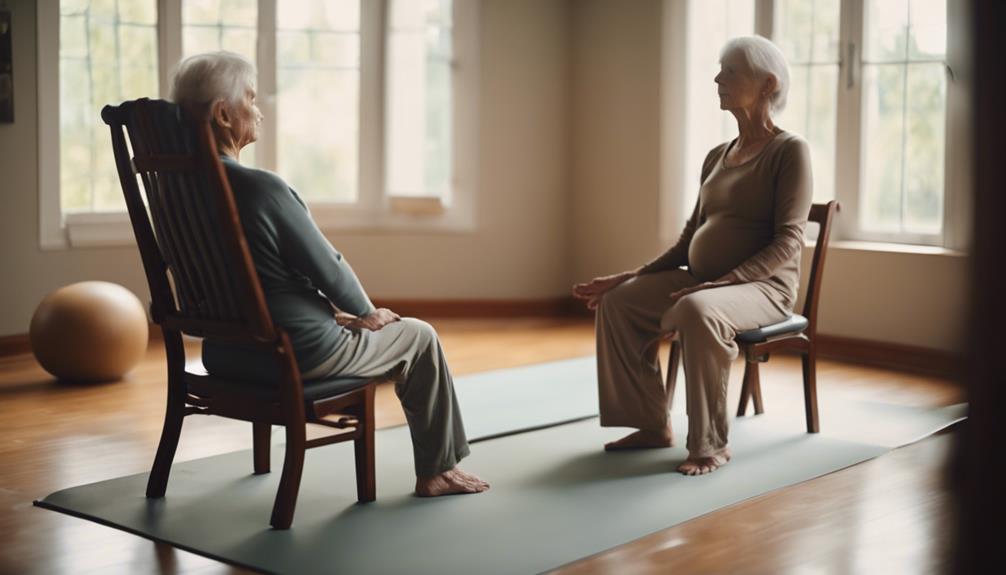
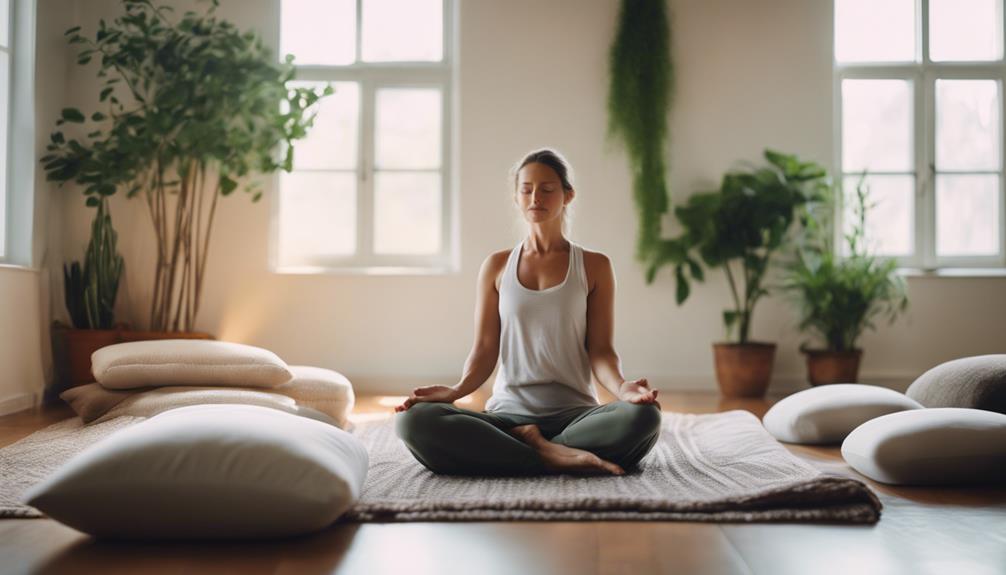
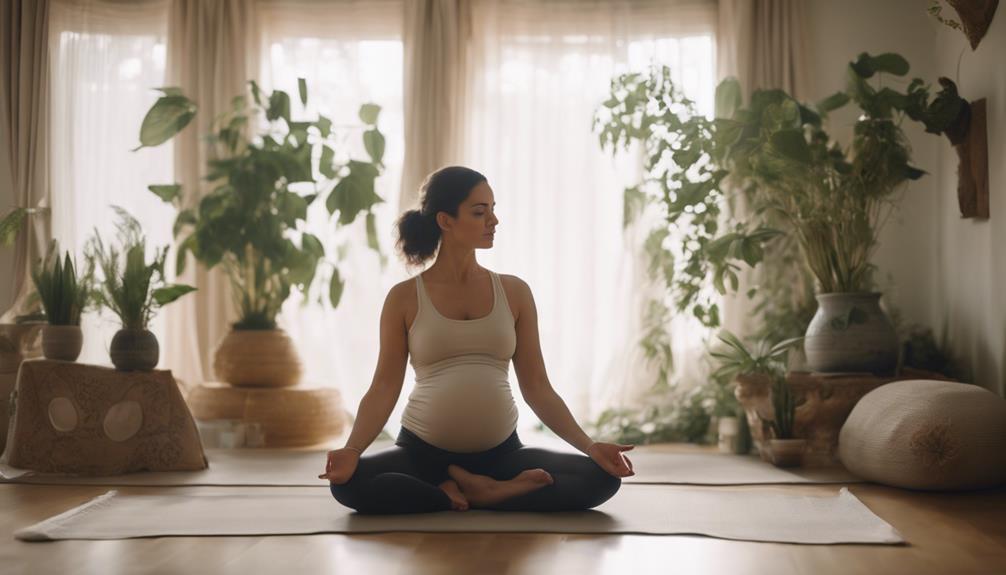
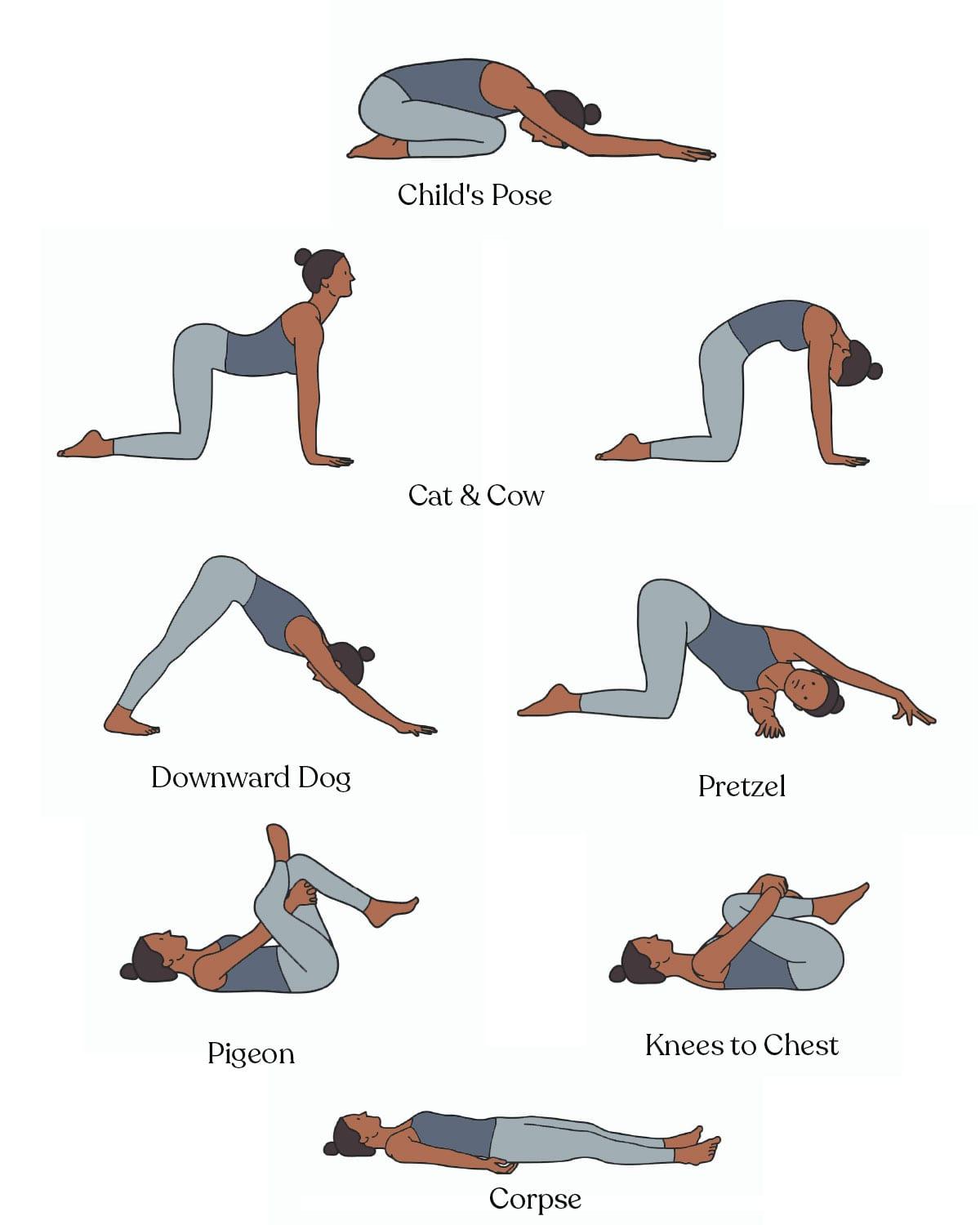
Yoga can provide a practical foundation for a retreat because it combines movement, attention, breath, and rest. A yoga-centred event might include active classes, restorative or yin sessions, meditation, breathwork, journaling, or facilitated group discussions. The right style depends on your experience and what you hope to gain.
If you want quiet reflection, restorative or slower practices may be more suitable than a demanding schedule of physical classes. If you are looking for energy and confidence, a retreat with more active movement may appeal to you. Ask whether beginners are welcome, whether modifications are offered, and how much of the retreat is devoted to yoga compared with discussion or other activities.
Look for programmes that treat yoga as an invitation to self-study rather than a performance. You should not feel pressured to share personal information, participate in partner exercises, or attempt movements beyond your comfort level. Singles exploring spiritual retreats may also consider psychedelic spiritual retreats for profound introspection and personal transformation.
Considering shamanic or ritual-based retreats
Some spiritual retreats include practices described as shamanic, ceremonial, or ritual-based. These may involve guided visualisation, drumming, song, symbolic work, or other forms of facilitated reflection. Because terminology and traditions vary, ask organisers to explain exactly what is included rather than making assumptions from the event name.
Responsible programmes should explain the purpose of each practice, obtain informed consent, and allow participants to decline an activity without pressure. Ask about preparation, emotional support, integration time, and any substances or plant-based practices that may be involved. Consider the facilitator’s training, respect for the tradition being used, and approach to cultural context. If a programme makes extreme promises, discourages questions, or treats distress as proof that the process is working, choose a different option.
Singles retreat or couples retreat?
A couples retreat generally focuses on communication, partnership, shared goals, or repairing connection within an existing relationship. A singles retreat is more likely to centre on individual reflection, peer connection, and personal patterns. Neither format is automatically better; the useful choice depends on your current circumstances.
If you are seeking space to understand yourself outside a partnership, a singles programme may feel more relevant. If you are attending with a partner and want to work directly on your relationship, a couples-focused retreat may be a better fit.
Preparing for the experience
Write down one or two realistic intentions before you go. Arrange time away from work, check travel details, and ask what to bring. Comfortable clothing, a journal, and any personal wellbeing items may be useful, but follow the organiser’s guidance.
Plan for integration after the retreat. Record the insights that matter most, choose one small practice to continue, and give yourself time to process rather than expecting an immediate life change. A local meditation group, yoga workshop, or regular journaling routine can help translate a retreat experience into everyday action.
The strongest choice is a retreat with clear communication, ethical boundaries, an appropriate level of challenge, and enough space for you to participate on your own terms.