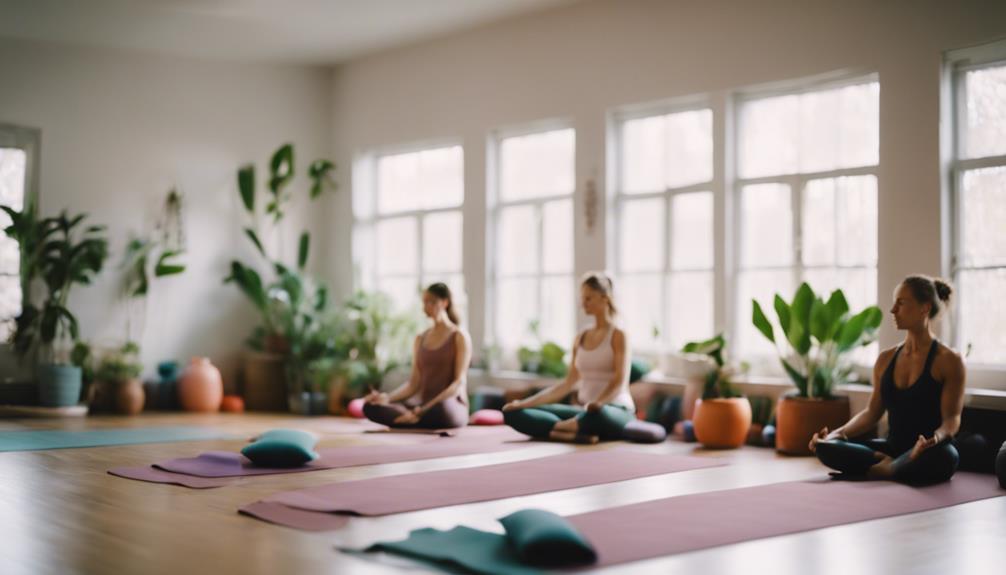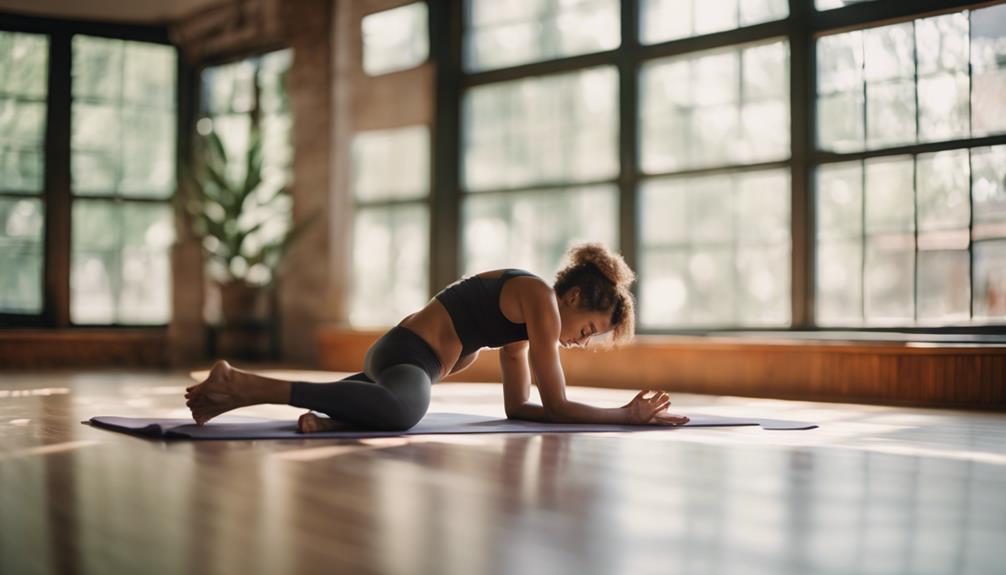
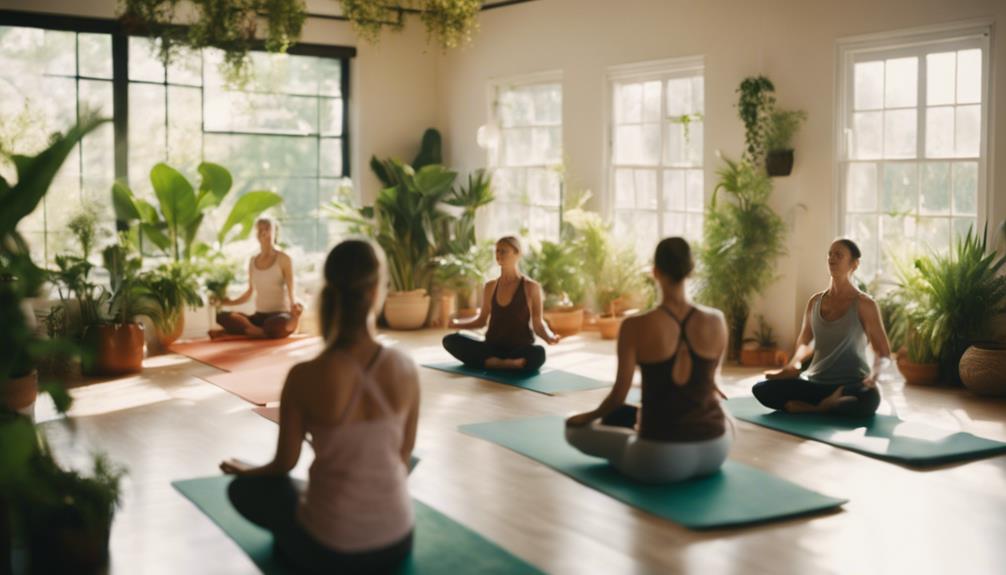
Yoga can offer women a flexible way to care for both body and mind. It can be adapted for beginners, experienced practitioners, different energy levels, and changing needs throughout life. Whether you attend studio classes or practice at home, a consistent routine can support mobility, balance, strength, relaxation, and stress management.
The most useful yoga practice is not necessarily the longest or most advanced. It is the one that fits your schedule, respects your body, and can be repeated regularly. A few mindful minutes can be more sustainable than an ambitious routine that quickly becomes difficult to maintain.
What a regular yoga practice can support
Yoga combines movement, breathing, balance, and periods of stillness. A well-rounded session may help you work on several areas at once:
- Flexibility and mobility: Gentle stretching can encourage freer movement through the hips, shoulders, spine, and legs.
- Strength and stability: Weight-bearing poses can challenge the arms, legs, abdomen, and supporting muscles.
- Balance and body awareness: Slow transitions and standing poses help develop control and concentration.
- Breathing and relaxation: Conscious breathing and restorative poses can create space to settle after a busy day.
- Everyday comfort: Regular movement may help reduce stiffness and encourage more mindful posture and movement habits.
Some women also use gentle yoga to support relaxation during menstruation or menopause. The right approach varies from person to person, so practices should be adjusted according to comfort, energy, and personal circumstances.
Creating a yoga routine at home
A home practice does not require an elaborate setup. A yoga mat, comfortable clothing, and a clear area large enough to move safely are usually enough to begin. Choosing a regular time can make practice easier to remember. For some people, a morning session provides a calm start to the day; others prefer yoga during a lunch break or in the evening.
A simple morning yoga routine might begin with a few quiet breaths, followed by gentle spinal movements, cat-cow stretches, easy twists, and standing poses. Sun salutations can be included when they feel appropriate, but they are not essential. The goal is to wake up the body gradually rather than force it into demanding positions.
A beginner-friendly home sequence
- Begin with two to five minutes of comfortable breathing and gentle movement.
- Warm the spine with cat-cow movements and slow seated or standing twists.
- Add simple poses such as child’s pose, downward-facing dog, a low lunge, bridge pose, or a supported standing balance.
- Pause between poses and notice how your body feels rather than rushing through the sequence.
- Finish with several minutes of easy stretching, quiet breathing, or relaxation.
Start with a short session and add time gradually. Easy yoga exercises at home can build confidence before you explore longer flows or more demanding poses.
How to structure a sustainable daily practice
A balanced yoga regimen usually includes more than stretching. Across the week, try to combine mobility work, strength-focused poses, breathing exercises, and restorative sessions. You might practice a stronger flow on one day, choose gentle hip and shoulder mobility the next, and follow with a slower relaxation-focused session.
A 30- to 45-minute practice can be divided into three parts:
- Warm-up: Gentle movement and breathing to prepare the body.
- Main practice: Poses or flowing sequences chosen for strength, balance, or mobility.
- Cool-down: Relaxed stretching, seated breathing, and rest.
Daily yoga does not have to mean an intense session every day. A ten-minute practice can maintain the habit, while more substantial sessions can be added when time and energy allow. Scheduling yoga five days a week, alternating active and restorative days, or setting a monthly goal can make progress easier to follow without turning practice into a source of pressure.
Using videos and classes thoughtfully
Online yoga videos can provide structure and motivation, especially when practicing alone. Look for instruction that explains alignment clearly, offers modifications, and encourages you to work within a comfortable range. Beginner, gentle, restorative, and women-focused searches can help narrow the options, but the teacher’s pace and teaching style should suit your experience.
Videos are useful, but they do not replace attention to your own body. Skip movements that cause sharp pain, dizziness, or unusual discomfort. If you have an injury, a health concern, or special physical needs, seek appropriate professional guidance before beginning a new routine.
Making yoga part of everyday life
Consistency often comes from reducing friction. Keep your mat accessible, decide when you will practice, and prepare your space in advance. Track the number of sessions rather than judging each session by difficulty. On demanding days, breathing exercises or a few gentle stretches may be enough.
Woman yoga is most effective when it becomes a realistic part of life rather than a performance goal. Begin where you are, progress patiently, and allow your routine to change with your needs. With regular, mindful practice, yoga can become a lasting source of movement, calm, strength, and greater ease in the body.