You do not need a long class to make space for movement and mindful breathing. A focused 10-minute yoga practice can help you slow down, loosen areas that feel stiff, and create a realistic habit for busy days. This gentle sequence is designed for beginners and combines standing movements, basic strength work, spinal mobility, and a quiet finish. These gentle ten-minute flows offer a practical starting point for anyone exploring beginner-friendly yoga routines.
Why practise yoga for 10 minutes?
A short routine is easier to begin and repeat than an ambitious session. Ten minutes can fit into a morning, lunch break, or evening wind-down, helping you build consistency without making exercise feel overwhelming. Regular short practices can also help you become more familiar with your breathing, balance, posture, and range of movement.
The goal is not to force progress or complete an advanced flow. It is to give your body and attention a few uninterrupted minutes. As the routine becomes familiar, you can extend it when you have more time or keep it short on busy days.
What you need
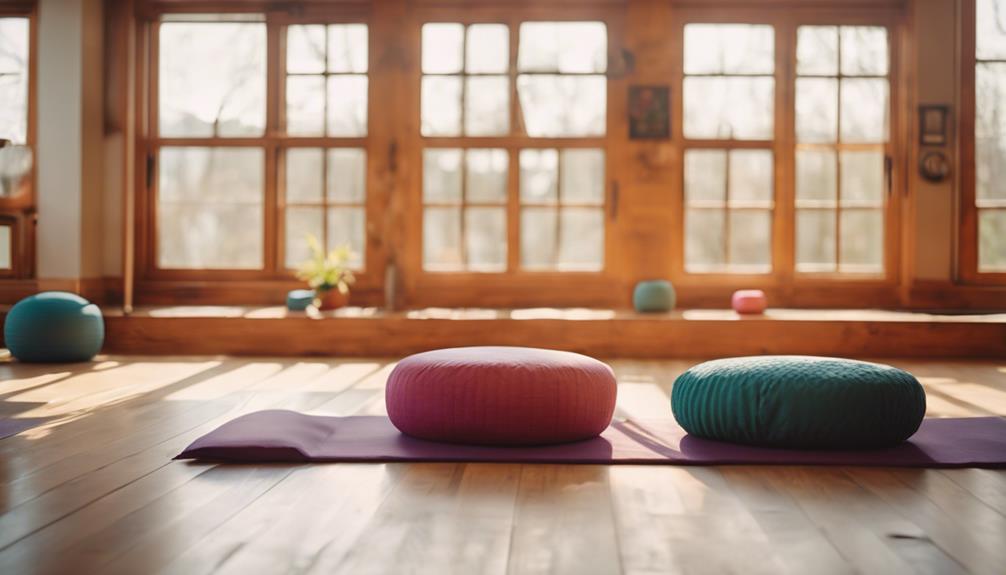
Use a yoga mat or another non-slip surface. Wear clothing that allows you to move comfortably. A folded blanket or firm cushion can make seated positions more comfortable, while blocks or sturdy books can bring the floor closer during forward folds. None of these props is essential; choose the support that helps you move steadily and without strain.
10-minute beginner yoga sequence
Move slowly and let your breathing guide the pace. The times below are suggestions, so spend slightly longer or shorter in a position according to how your body feels.
1. Centre yourself — 1 minute
Stand with your feet about hip-width apart. Let your arms rest by your sides and soften your shoulders. Take several comfortable breaths. Notice the contact between your feet and the floor, and allow your spine to lengthen without stiffening. Use this minute to arrive rather than rushing into the next movement.
2. Forward fold and half lift — 1 minute
From standing, hinge at your hips and fold forward. Bend your knees as much as needed, allowing your head and arms to relax. On an inhale, lengthen your back into a half lift, placing your hands on your thighs or blocks if that is more comfortable. Exhale and fold again. Repeat slowly several times, keeping the movement easy rather than trying to reach the floor.
3. Plank to child’s pose — 1 minute
Place your hands on the floor and step back into a plank position. You can lower your knees for extra support. Hold for one or two calm breaths, keeping your shoulders away from your ears. Then send your hips back toward your heels and rest in child’s pose. Keep your knees together or apart, whichever allows you to breathe comfortably. After completing 10 Minutes Yoga, try this beginner yoga routine for a slightly longer, gentle practice.
4. Cat–cow — 1 minute
Come to hands and knees, with your hands beneath your shoulders and knees beneath your hips. Inhale as you gently lift your chest and tailbone, creating a comfortable curve through the spine. Exhale as you round your back and let your head follow the movement. Continue for several slow rounds, moving within a range that feels smooth.
5. Downward-facing dog — 1 minute
From tabletop, tuck your toes and lift your hips into downward-facing dog. Keep your knees bent if your legs or back feel tight, and focus on lengthening your spine rather than straightening your legs. You can gently pedal your feet or remain still. If the pose is uncomfortable, return to child’s pose or tabletop.
6. Gentle standing flow — 2 minutes
Walk your feet toward your hands and return to a forward fold. With an inhale, rise slowly to standing, bringing your arms up only as far as feels natural. Exhale and let your arms lower. Repeat the sequence two or three times: fold, half lift, step back to a comfortable plank, return to downward-facing dog, walk forward, and rise. Step rather than jump, and take pauses whenever you need them.
7. Seated twist — 1 minute
Sit comfortably with your legs crossed or extended. Lengthen through the crown of your head, then place one hand behind you and the opposite hand on your knee. Turn gently toward the back of the room without pulling on the knee or forcing the rotation. Take a few breaths, return to centre, and repeat on the other side.
8. Rest — 2 minutes
Lie on your back with your arms relaxed and your legs comfortable. Close your eyes if you wish. Let your breathing return to its natural rhythm and notice the effects of the practice. There is no need to do anything else during this final rest; simply allow your body to settle.
Make the routine comfortable and safe
- Move within a comfortable range and prioritise steady breathing over depth.
- Bend your knees during forward folds and downward-facing dog when necessary.
- Use a blanket, cushion, or blocks to reduce pressure and improve support.
- Stop if you feel sharp, sudden, or worsening pain. Mild effort or stretching should not become painful.
- If you have an injury, a health concern, or specific movement restrictions, ask an appropriate healthcare or movement professional how to adapt the practice.
Turn 10 minutes into a lasting habit
Choose a consistent time and keep the sequence easy to repeat. A goal such as practising on five days each week can be more manageable than expecting a perfect daily routine, but adjust it to suit your schedule. On days when you have extra time, repeat a section or add a longer relaxation. On demanding days, completing only the breathing, cat–cow, and rest sections still keeps the habit alive.
Start gently, pay attention to how you feel, and let consistency matter more than intensity. A simple 10-minute yoga routine can become a practical foundation for exploring longer practices when you are ready.