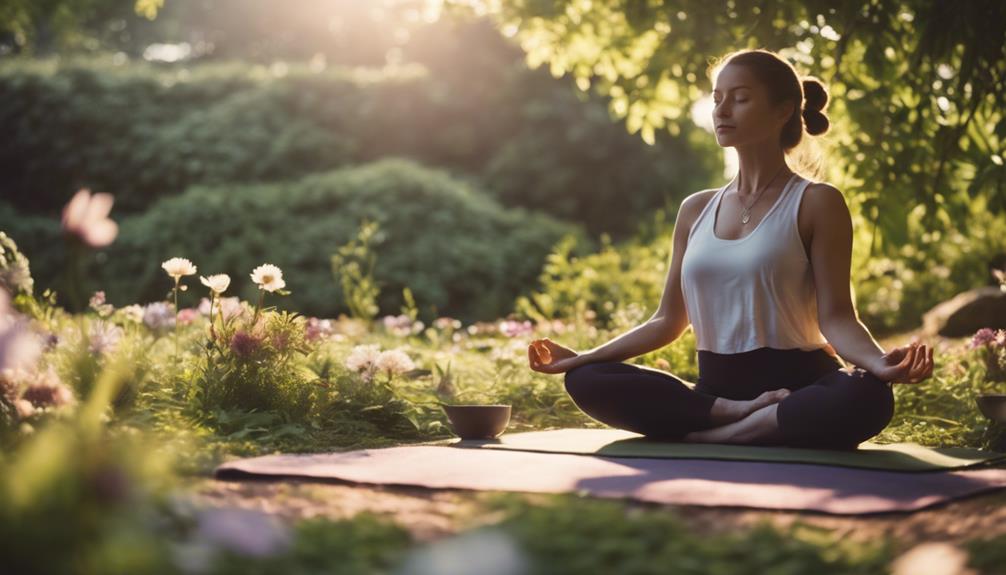

Starting yoga does not require advanced flexibility, special equipment, or previous experience. A beginner-friendly program should make movement easier to understand, provide time to learn basic poses, and encourage steady practice without pressure. The aim is not to force your body into difficult shapes, but to develop body awareness, controlled movement, comfortable breathing, and confidence. Build confidence with a beginner yoga routine that introduces foundational poses, breathing techniques, and sustainable practice habits.
What a beginner yoga program should include
A useful introduction to yoga combines several types of practice rather than focusing only on stretching. Early sessions may include:
- Foundational standing poses to develop posture, leg strength, and stability.
- Gentle floor-based movements for mobility in the hips, spine, and shoulders.
- Simple balance work to improve concentration and coordination.
- Breath awareness to help you move at a manageable pace.
- Relaxation at the end of practice so your body and mind can settle.
Beginners benefit from clear instructions and unhurried transitions. A teacher or video should explain how to enter and leave each pose, offer easier variations, and remind you that the most intense version is not necessarily the best one.
A simple weekly schedule
Consistency matters more than completing long or demanding workouts. Three sessions each week can provide a practical starting point, with rest or light activity between practices. For example:
- Session one: 30 to 40 minutes. Begin with gentle warm-up movements, then practise standing poses, simple transitions, and a short relaxation.
- Session two: 15 to 25 minutes. Focus on comfortable mobility for the hips, hamstrings, shoulders, and back, followed by several minutes of calm breathing.
- Session three: 20 to 30 minutes. Use a slower routine with supported poses, gentle twists, and a longer rest at the end.
Keep the first few weeks manageable. If three sessions are unrealistic, begin with two and add practice time gradually. A short routine that you repeat is more useful than an ambitious plan that leaves you exhausted or discouraged.
Poses commonly introduced at the beginning
Many beginner sequences use familiar foundational positions, including Mountain Pose, Child’s Pose, Downward-Facing Dog, gentle lunges, seated stretches, and basic twists. These poses can be adapted in several ways. For example, you can bend your knees in a forward fold, lower your hands onto blocks, or practise near a wall during balance work.
Do not judge your progress by how far you can stretch. Pay attention to whether you can maintain steady breathing, controlled movement, and a comfortable amount of effort. Learning these habits early creates a stronger foundation for more varied practice later. Beginners can build confidence with this short yoga routine before exploring longer practice sessions.
How to choose a beginner yoga video
If you practise at home, choose a video designed specifically for people with little or no yoga experience. The most helpful instruction is usually calm, detailed, and easy to follow. Look for resources that:
- Explain basic poses instead of assuming you already know them.
- Show modifications for limited flexibility, balance, or strength.
- Allow enough time to move between positions safely.
- Include reminders about breathing and alignment.
- Offer a clear beginning, middle, and ending rather than a rushed sequence.
Short videos can help you build a habit, while longer sessions may give you more time to learn. You can also combine movement videos with a brief audio relaxation or breathing exercise when you want a gentler practice.
Safety and useful modifications
Yoga should challenge you without causing sharp, sudden, or worsening pain. Move slowly, especially when learning a new position, and come out of a pose if your breathing becomes strained or your alignment feels unstable. A folded blanket can provide support under the hips or knees, while blocks and straps can reduce the need to reach or stretch too far.
Keep a soft bend in the knees during forward folds if that feels more comfortable. Practise balance poses close to a wall, and avoid comparing your range of motion with someone else’s. If you have a medical condition, an injury, joint concerns, high blood pressure, or have recently had surgery, seek appropriate professional advice before beginning. A qualified instructor may also help you identify suitable alternatives.
Adding breath and mindfulness
Breathing is a simple way to make practice more deliberate. Try inhaling and exhaling smoothly without forcing either phase. You might use an even, gentle count for both breaths, or simply notice whether you are holding your breath during effort. Brief pauses at the beginning and end of a session can help you check how your body feels and set a realistic intention for practice.
Progress may appear as improved confidence, easier transitions, greater awareness of tension, or a more settled feeling after practice. Give those changes time to develop. With patient repetition, a beginner yoga program can become a sustainable routine that supports movement, focus, and relaxation.