Yoga videos can make starting an at-home practice feel more approachable. Instead of trying to remember a sequence or wondering what to do next, you can follow a teacher’s demonstrations, pause when needed, and repeat lessons as you become more comfortable. The best videos for beginners combine clear instruction, manageable pacing, and practical options for adapting poses. Explore beginner-friendly yoga videos to build confidence, learn foundational poses, and practice safely at home.
You do not need an expensive subscription or a long daily routine to begin. A thoughtfully chosen 10- to 20-minute class can be enough to establish a regular habit and learn the foundations of yoga.
What makes a yoga video beginner-friendly?
Not every class labelled “beginner” offers the same experience. When evaluating a video, look for instruction that explains both the movement and the way it should feel. A suitable class will usually introduce basic poses gradually rather than moving quickly through a complicated flow.
- Clear demonstrations: You should be able to see the teacher’s full body and understand how to enter and leave each pose.
- Specific alignment cues: Helpful guidance may cover foot placement, spine position, breathing, and where to direct your attention.
- Modifications: Options for reducing intensity or using props make a class more accessible.
- Reasonable pacing: Beginners benefit from enough time to set up each movement without feeling rushed.
- A suitable focus: Choose classes designed for gentle movement, flexibility, mobility, relaxation, or general introduction according to your goal.
Production quality can improve visibility, but it is less important than teaching quality. A calm, understandable instructor and a well-structured class are more useful than elaborate presentation.
Where to find great yoga videos
Free video platforms, subscription services, apps, and smart-TV options can all support an at-home practice. Free beginner yoga classes are often available through video channels, while paid services may organise lessons into progressive programmes or make it easier to filter by duration and difficulty.
If you are searching on YouTube or another video platform, use specific terms such as “beginner yoga,” “gentle yoga,” “morning stretches,” or “short yoga class.” Adding a goal or time limit can narrow the choices. For example, a search for a 15-minute beginner class may be more useful than simply searching for yoga.
Apps and television-based services can be convenient if you prefer scheduled plans, larger-screen instruction, or a consistent interface. Before paying for a service, check whether it provides previews, free lessons, or a trial that lets you assess the teachers and class structure.
Choose a class that fits your starting point
Class length is an easy way to match a video to your current energy and experience. Short sessions of around 10 to 30 minutes can help you learn the basics without making practice feel overwhelming. Longer 45- to 60-minute classes may be appropriate later, once you are comfortable following instructions and managing the physical demands of a session.
Also consider the type of movement involved. A gentle sequence with seated stretches may suit a low-energy day, while a standing flow may provide more active movement. If your main purpose is to relax, choose a slower class rather than assuming every yoga video will have the same effect. Among these great yoga videos, this beginner-friendly yoga routine offers a simple, focused practice for newcomers.
It is reasonable to sample several instructors. Different teachers use different language, pacing, and approaches to demonstrations. Finding an instructor you can easily follow may make it much easier to practise consistently.
Set up an effective at-home practice
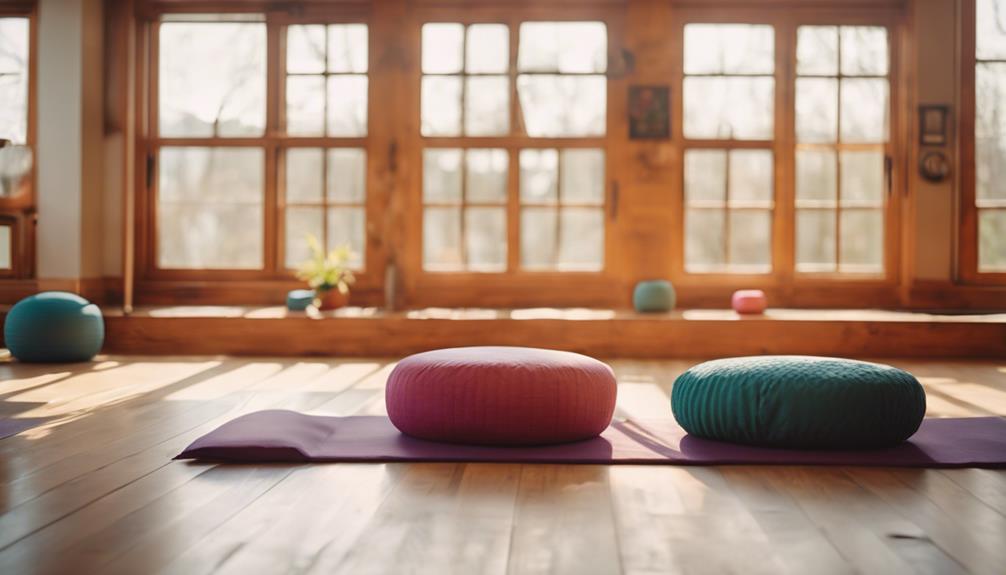
Prepare a space where your mat can lie flat and where you can move without striking furniture. Position your screen so you can see the teacher without repeatedly turning your head or straining to look down. A full-body view is especially useful when learning standing poses.
Keep the routine simple. Choose a regular time, such as after waking up or before winding down in the evening, and treat it as an appointment. Ten minutes on most days may be more sustainable than one demanding class each week. A basic log noting the date, class, and duration can help you notice patterns and maintain motivation.
Practise safely and progress gradually
Online instruction cannot see your individual movement, so you remain responsible for adjusting the practice. Move slowly enough to notice how your body responds, and do not force a pose to match the teacher’s shape. Stretching may feel challenging, but sharp, sudden, or worsening pain is a reason to stop or choose a modification.
Blocks, straps, folded blankets, or a firm chair can provide support when a pose feels unstable or difficult to reach. Return to foundational classes regularly, even after you begin trying more advanced sequences. Familiar poses offer an opportunity to refine breathing, balance, and control.
When beginner sessions feel manageable, progress by changing one element at a time: practise slightly longer, add a modestly more active class, or explore a new type of sequence. If you have an injury, a medical condition, or concerns about whether yoga is appropriate for you, seek advice from a healthcare professional before beginning.
Start with consistency, not complexity
Great yoga videos should make practice clearer, safer, and easier to repeat. Begin with a class that matches your ability, use free resources if they meet your needs, and give yourself time to learn the fundamentals. A short, mindful session repeated regularly can build confidence far more effectively than choosing the most difficult video available.