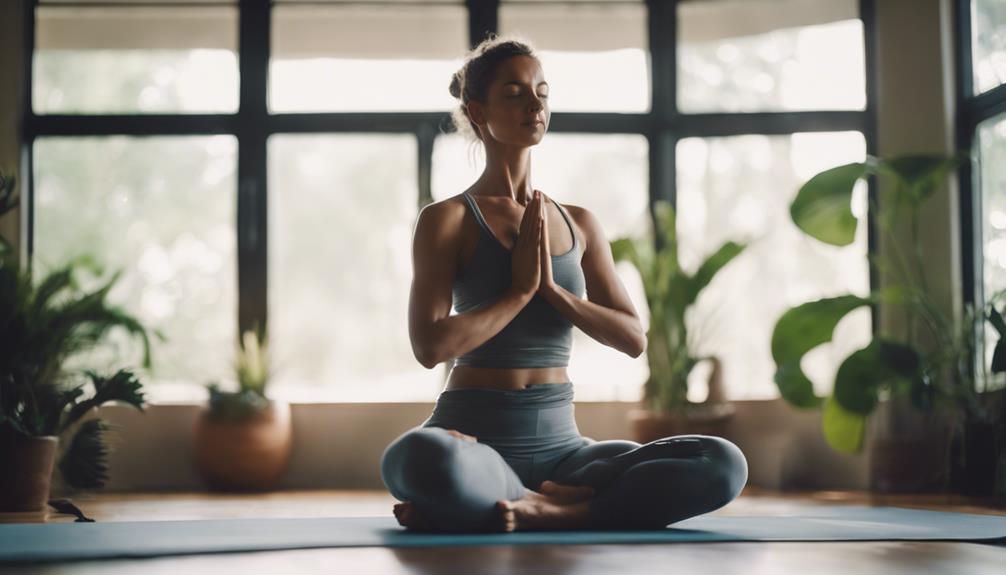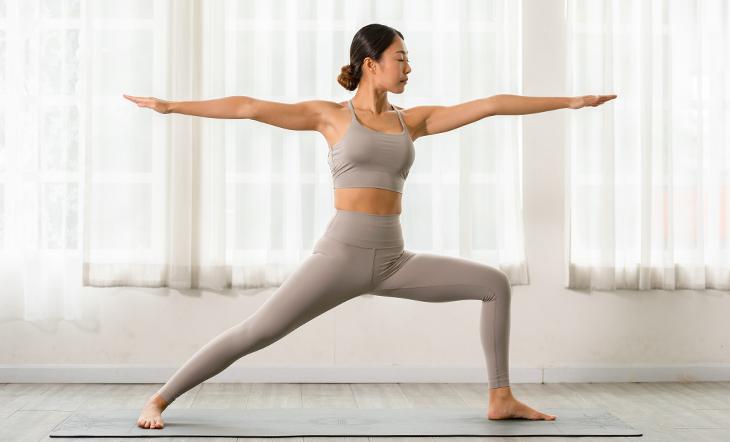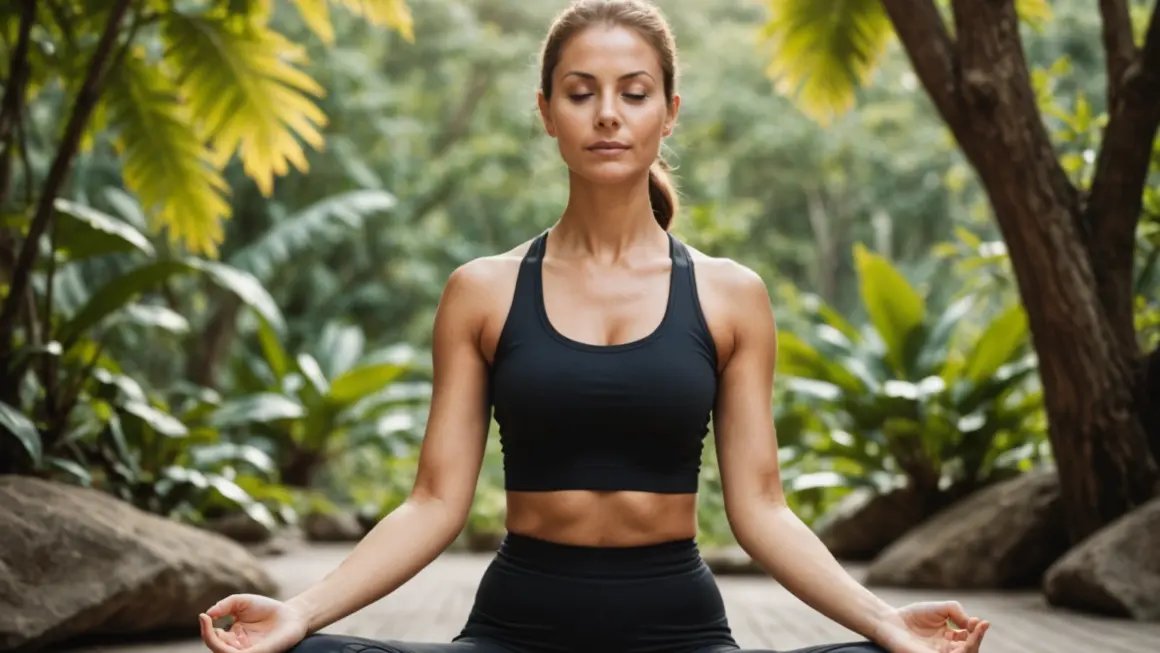
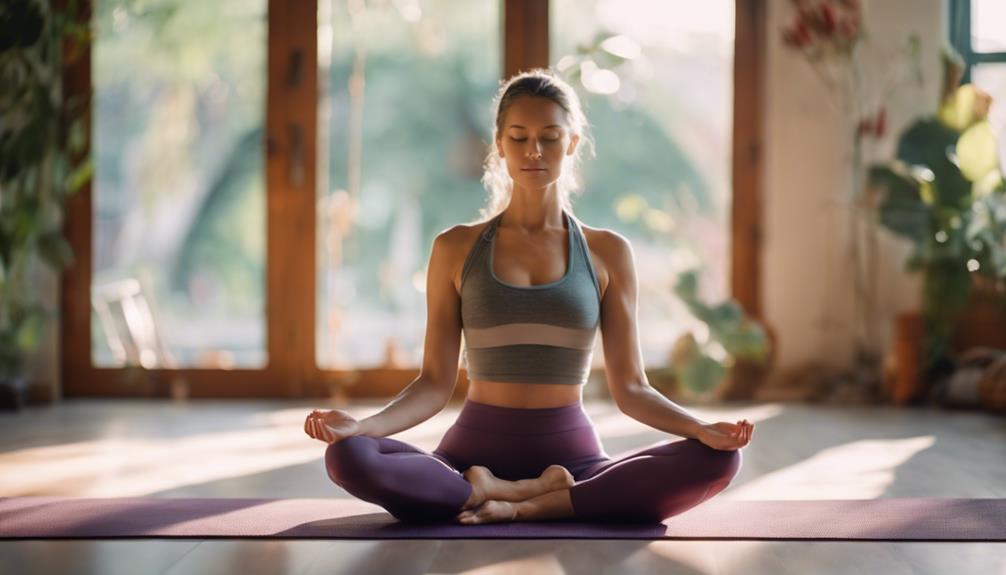
Moving from a personal yoga practice into teaching requires more than enthusiasm. A well-designed yoga and meditation certification can provide the structure, supervised practice, and technical knowledge needed to lead sessions safely and thoughtfully. It can also help experienced fitness professionals add breathwork, mindful movement, and meditation to their existing services. Explore our yoga teaching focus to understand how certification supports confident, effective instruction.
The right training should support both sides of the discipline: the physical practice of yoga and the attentional skills involved in meditation. It should prepare you to work with different bodies, experience levels, and personal needs while developing a teaching style that is clear, compassionate, and responsible.
What certification can help you develop
A certification program is not simply a credential. Its value lies in the learning and practice behind it. Strong programs give students opportunities to understand how classes are designed, how instructions are delivered, and how practices can be adapted for individual participants.
Training commonly addresses:
- Anatomy, alignment, and safer movement patterns
- Breathing techniques and the relationship between breath and movement
- Posture modification, progression, and the use of restorative practices
- Class sequencing, pacing, transitions, and verbal cueing
- Guided meditation, concentration, and awareness practices
- Yoga philosophy, professional ethics, and respectful communication
- Inclusivity, accessibility, and approaches that account for varied student needs
Supervised teaching is particularly valuable. Practising in front of others and receiving feedback helps new instructors improve their timing, presence, explanations, and ability to notice when a student may need an alternative. It also builds confidence before teaching independently.
Understanding the meditation component
Yoga and meditation are related, but teaching meditation requires its own preparation. A meditation module should explain how to introduce practices to beginners, structure a session, offer clear guidance, and respond appropriately when students find stillness difficult.
Depending on the program, students may study breath-focused practices, concentration exercises, body awareness, relaxation, or other forms of guided mindfulness. A responsible course should present these methods carefully rather than treating meditation as a one-size-fits-all solution. Teachers need to know how to create a supportive setting and how to respect the limits of their training.
How to compare certification programs
Start by identifying the kind of teaching you want to pursue. Someone planning to teach traditional group yoga may choose a different course from a fitness professional who wants to combine yoga, strength work, and relaxation. Your intended students, preferred teaching environment, and areas of interest should guide the decision. Explore Vinyasa instructor training to deepen practical teaching skills after completing yoga and meditation certification.
When comparing options, consider:
- Curriculum: Check that it includes technique, anatomy, teaching methodology, meditation, ethics, and practical assessment rather than focusing only on personal practice.
- Faculty: Review the instructors’ experience and whether their teaching reflects a range of bodies, abilities, and perspectives.
- Teaching practice: Look for supervised sessions, mentoring, feedback, and a meaningful assessment process.
- Format and schedule: Decide whether online, in-person, or hybrid learning fits your circumstances and preferred way of practising.
- Student support: Ask whether graduates can access mentoring, peer communities, or continuing education after completion.
- Professional standards: Examine the program’s stated requirements, credentialing arrangements, and expectations for attendance, practice, and assessment.
Course length and labels can vary, so do not judge a program by its title alone. Many pathways use foundational 200-hour training, with advanced 300-hour or 500-hour routes for further study. The important question is whether the program provides enough guided learning and practice for the responsibilities it claims to prepare you for.
Career options after training
Graduates may begin with group classes in studios, community settings, or wellness programs. Others teach privately, offer online sessions, or develop retreats and specialist services. A yoga and meditation certification can also complement another fitness qualification for instructors who want to work as a yoga fitness trainer, combining mindful movement with strength, alignment, mobility, or functional exercise.
Specialisation may develop over time in areas such as restorative practice, prenatal work, therapeutic applications, or meditation-based stress management. These areas require appropriate additional education and a clear understanding of what falls within your professional scope.
Keep developing after certification
Graduation is the beginning of teaching development, not the end. Regular personal practice, observation of experienced instructors, workshops, and constructive feedback can help you refine your approach. Recording or reviewing your own classes may reveal opportunities to improve pacing, language, sequencing, and accessibility.
Meditation teachers also benefit from maintaining a consistent personal practice. Firsthand experience can deepen your understanding of the techniques you share, while continued study helps you guide students with greater clarity and humility.
The best yoga and meditation certification gives you a foundation for safe movement instruction, meaningful meditation guidance, and ethical professional practice. Choose training that combines knowledge with supervised teaching, then continue learning as your students, interests, and responsibilities develop.