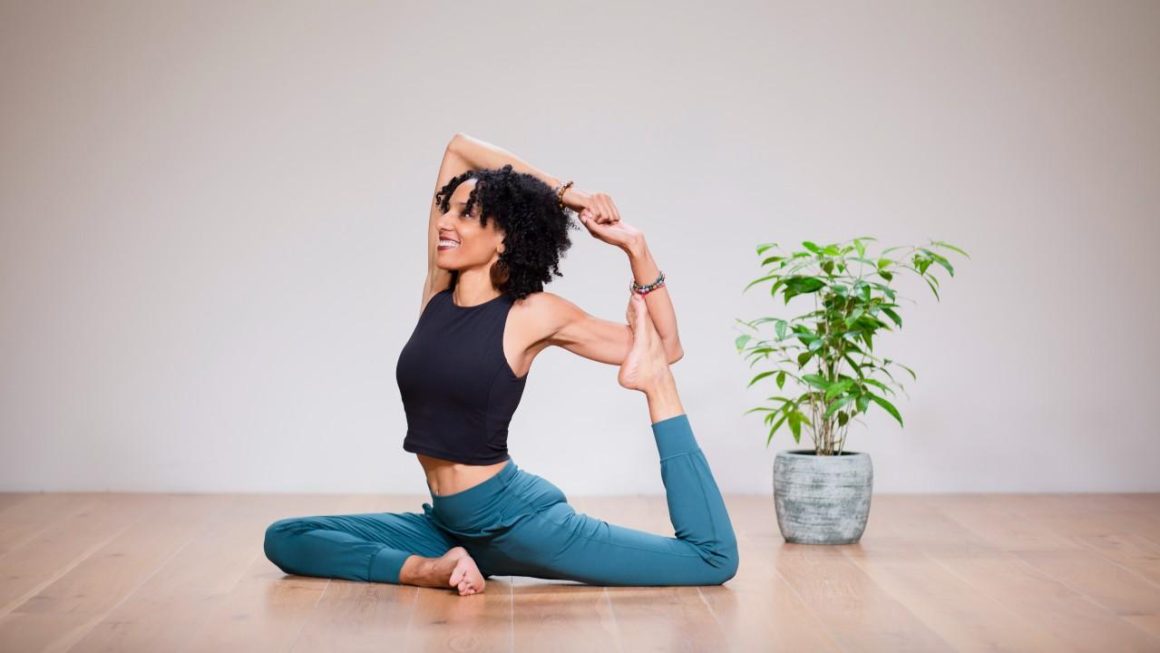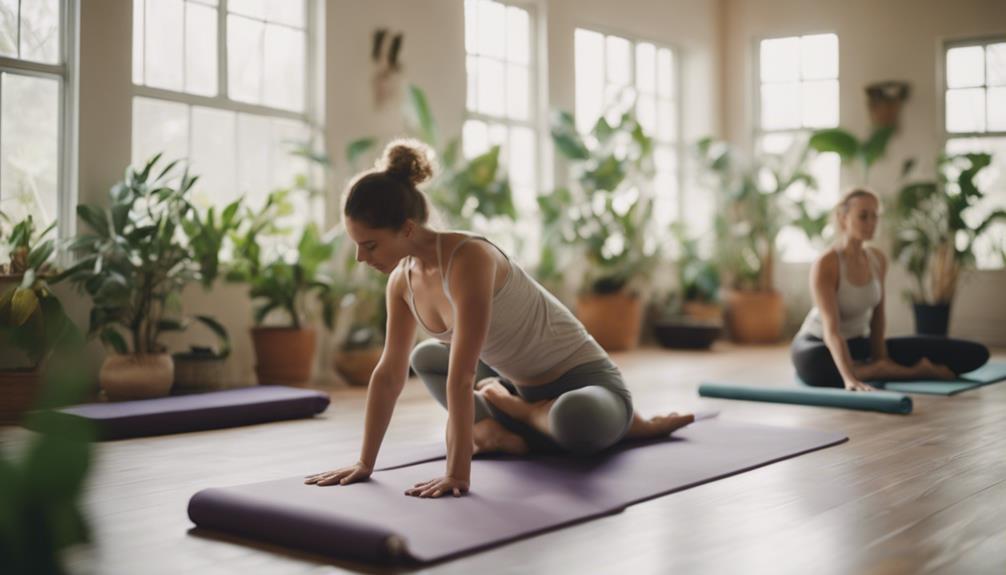

Hot yoga combines traditional yoga postures with a deliberately heated studio environment. For some practitioners, the warmth makes movement feel more fluid; for others, the added heat creates a demanding workout that requires careful pacing. Denver’s hot yoga scene includes several formats, from structured sequences to athletic flows and slower, restorative classes. Exploring yoga style options can help Denver practitioners choose a hot yoga practice that fits.
Whether you are trying heated yoga for the first time or looking for a new studio, understanding the differences between class styles can help you choose an experience that matches your goals, comfort level, and tolerance for heat.
What makes hot yoga different?
Hot yoga is practiced in a room heated above normal indoor temperature. The heat increases the physical challenge of class and can make muscles feel more flexible as the body warms up. It also means that breathing, hydration, and energy management become especially important.
The term “hot yoga” covers more than one method. Some classes follow a consistent series of postures, while others use flowing sequences that change from session to session. Temperature, humidity, class length, and intensity can vary by studio, so it is worth checking the class description before booking.
Denver’s elevation may also affect how exertion feels, particularly for people who are new to the area or unaccustomed to exercising at altitude. A gradual introduction can make it easier to understand how your body responds to both the elevation and the heated room.
Hot yoga styles you may encounter in Denver
Bikram-style classes
Bikram-style practice is based on a set sequence of 26 postures and two breathing exercises. The repeated format gives students a predictable structure and makes it easier to notice changes in balance, stamina, and alignment over time. These classes may be a good fit for people who prefer routine and clear progression.
Hot Vinyasa and Hot Flow
Hot Vinyasa classes link breath with movement, often moving through standing postures, transitions, balances, and floor work. The sequence may vary between instructors or sessions. This format suits students who enjoy continuous movement and want a combination of mobility, coordination, and cardiovascular effort.
Hot Power yoga
Hot Power classes generally place more emphasis on strength, sustained postures, and physical intensity. They may include challenging transitions or longer holds. Beginners should look for classes that clearly identify their level and offer modifications.
Heated Yin and restorative yoga
Not every heated class is fast-paced. Heated Yin uses longer-held poses and a slower rhythm, while heated restorative classes focus on supported postures and relaxation. The warmth can make these formats appealing to students who want a quieter practice without giving up the heated environment. Readers comparing heated yoga options can also explore Myrtle Beach classes for a coastal alternative to Denver sessions.
Potential benefits and important considerations
Many students enjoy hot yoga because it combines focused movement with a strong mental challenge. A heated practice may support a greater feeling of mobility, build strength and stamina, and encourage concentration on steady breathing. Sweating is also a normal part of class, although it should not be treated as a measure of workout quality.
Heat can make a pose feel easier than it actually is. Avoid forcing a stretch or using increased flexibility as a reason to move beyond comfortable range of motion. Dizziness, nausea, unusual weakness, confusion, or a headache are signs to stop, rest, and seek assistance from the instructor if needed.
People with medical conditions, concerns about heat exposure, or uncertainty about whether heated exercise is appropriate should speak with a healthcare professional before attending. Anyone new to hot yoga can begin with a shorter, gentler, or beginner-oriented class and build experience gradually.
How to choose among Denver hot yoga studios
Studio atmosphere matters, but practical details matter just as much. Compare the following before choosing a class:
- Class format: Check whether the session is Bikram-style, flowing, power-focused, Yin, or restorative.
- Temperature and humidity: Studios may use different heat levels, so ask if the listing is unclear.
- Experience level: Look for beginner classes and instructors who explain modifications.
- Room conditions: Cleanliness, ventilation, mat spacing, and available facilities can affect comfort.
- Studio policies: Confirm what to bring, when to arrive, and whether mats or towels are available to rent.
- Schedule and location: A convenient class time and manageable commute make regular attendance easier.
A trial class or drop-in visit can help you judge whether the instructor’s teaching style, room setup, and pace suit you. Reviews may provide useful context, but your own experience is the best guide.
What to bring and expect at your first class
Arrive early enough to check in, set up your mat, and become comfortable in the room. Bring water, a towel, and clothing that allows unrestricted movement. An absorbent towel for the mat can be particularly useful during vigorous classes.
The class will usually begin with breathing or gentle warm-ups before progressing to standing postures, flows, holds, or floor-based work. Follow the instructor’s cues, rest when necessary, and remember that taking a break is part of practicing responsibly. You do not need to match the pace or depth of anyone around you.
With thoughtful pacing and the right class style, hot yoga in Denver can offer a focused way to work on mobility, strength, balance, and mental presence. Start with a format that feels approachable, pay attention to your body’s response, and choose a studio that makes safe, accessible instruction a priority.