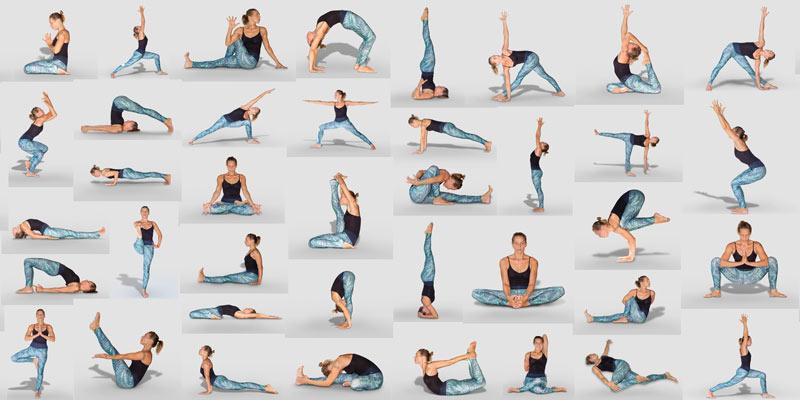

Yoga sculpt brings together yoga-based movement, resistance training, and cardio-inspired intervals in one energetic class format. For yoga teachers and fitness professionals, an online certification can provide a practical way to develop these skills without committing to a fully in-person schedule. Online sculpt certification can strengthen instructor development through focused teaching methods, sequencing, and student-centered cueing.
The right training should do more than show you a collection of exercises. It should help you understand how to build a safe, well-paced class that combines strength and intensity with breath awareness, alignment, mobility, and mindful instruction.
What is yoga sculpt?
Yoga sculpt is generally structured around familiar yoga postures while adding tools such as light weights, bodyweight resistance, and movement-based cardio. A class may include a warm-up, strength-focused sequences, higher-intensity intervals, balance work, and a cool-down.
The format can appeal to students who want a more fitness-oriented practice but still value the focus and movement principles associated with yoga. Because the addition of weights and faster transitions changes the demands placed on the body, instructors need training that addresses both yoga teaching and exercise safety.
What you can learn in an online yoga sculpt certification
A well-organized online course should combine instructional content with opportunities to apply what you learn. Depending on the provider, lessons may be delivered through recorded videos, written materials, live sessions, assignments, or teaching assessments.
Core topics commonly include:
- Class structure: How to organize warm-ups, strength blocks, cardio intervals, peak work, and cool-downs.
- Sequencing: How to connect yoga poses and resistance exercises without creating confusing or unnecessarily abrupt transitions.
- Anatomy and alignment: How movement patterns, joint positioning, and muscular engagement affect exercise selection and cueing.
- Weight selection and safety: How to introduce resistance appropriately and offer alternatives for students with different abilities.
- Modifications: Ways to provide regressions and progressions for beginners, experienced students, and people managing limitations.
- Coaching skills: How to use clear verbal cues, motivating language, breath guidance, timing, and effective demonstrations.
- Programming and pacing: How to create a balanced class that challenges students without sacrificing control or recovery.
Some courses may also address music selection, playlist timing, teaching presence, and the practical details of leading a group class. These subjects can be useful, but they should support—not replace—education in safe movement and effective instruction.
How to become a yoga sculpt instructor
The first step is to review the entry requirements for each course. Many specialized programs expect applicants to hold a foundational yoga teaching credential, such as a 200-hour teacher training certificate, or to have comparable teaching experience. Requirements are not identical, so confirm them before enrolling. Alongside certification training, anatomy-focused coursework deepens your understanding of movement, alignment, and safe yoga instruction.
A typical path may include:
- Build a foundation in yoga instruction, anatomy, alignment, and class leadership.
- Compare online yoga sculpt programs according to their curriculum, format, support, and assessment process.
- Complete the required lessons, practice assignments, and written or practical assessments.
- Teach sample sequences to peers or submit recorded classes for review, if required.
- Use the completed training to develop sculpt classes within the scope of your existing credentials and experience.
A certificate can document completion of a course, but it does not replace sound judgment, ongoing practice, or any qualifications required by a studio, gym, insurer, or local authority. Check those requirements separately before advertising classes.
How to evaluate yoga sculpt training online
Online delivery is convenient, but the quality of feedback and practical instruction matters. Before choosing a program, look for clear answers to the following questions:
- Who created and teaches the course, and what relevant yoga and fitness experience do they have?
- Does the curriculum cover anatomy, alignment, resistance training, modifications, and class design?
- Will you receive instructor feedback on your sequencing or teaching?
- Are there live workshops, mentoring sessions, discussion opportunities, or peer practice?
- How are students assessed, and is there a practical teaching component?
- How long do you have access to the lessons and materials?
- What support is available if you need clarification during the course?
A self-paced course may suit someone with an irregular schedule, while live instruction can provide accountability and more immediate feedback. Read the terms carefully and treat testimonials as one source of information rather than the sole basis for your decision.
Preparing to teach yoga sculpt safely
Once trained, begin with classes that match your experience and your students’ needs. Practice explaining the purpose of each movement, demonstrate lighter or lower-impact options, and allow enough time for transitions. Students should understand that discomfort from effort is different from sharp or persistent pain, and they should be encouraged to stop or modify an exercise when needed.
Continue refining your teaching through observation, recorded practice, peer feedback, and further education. With a strong foundation and thoughtful programming, an online yoga sculpt certification can help you add a strength-focused class format while maintaining the clarity, control, and mindful approach that support effective yoga instruction.