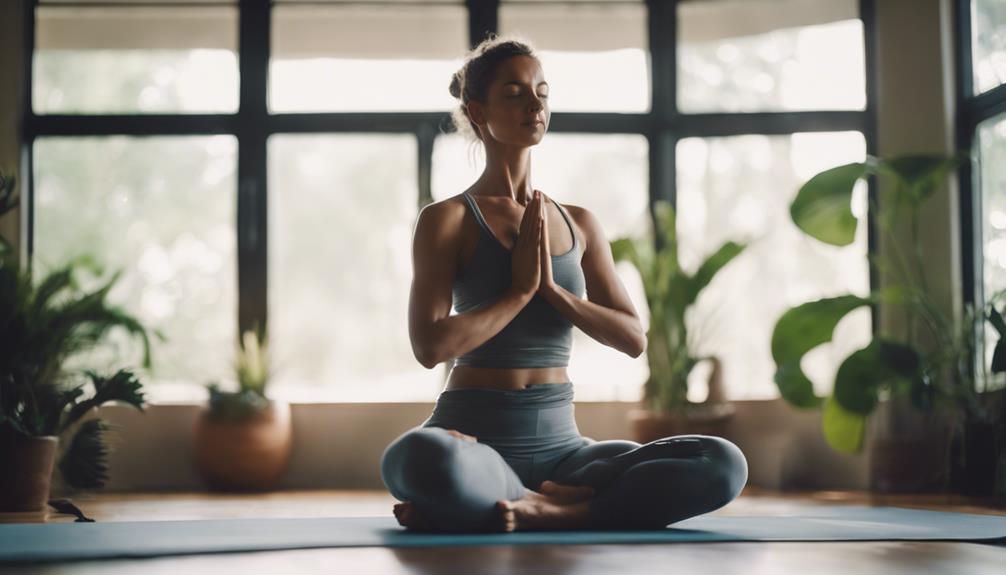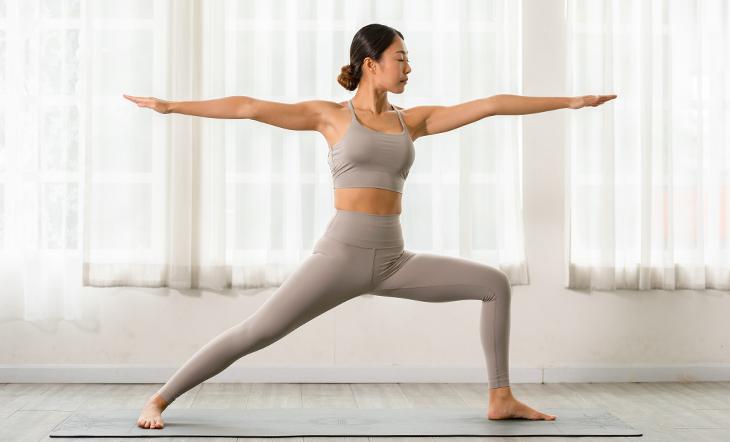

Becoming a yoga teacher is a meaningful step for anyone who wants to deepen a personal practice and help others move, breathe, and focus with greater awareness. For students in the Gulf Coast region, yoga certification in Houston can provide a structured path from committed practitioner to prepared instructor. Houston certification programs can sharpen your instructor training focus, helping aspiring teachers build confident, knowledgeable classes.
A strong training program should do more than teach poses. It should help you understand safe movement, thoughtful communication, class design, yoga philosophy, and the responsibilities that come with leading a diverse group of students. The right choice depends on your goals, schedule, preferred teaching approach, and the kind of community you hope to serve.
Why pursue yoga certification in Houston?
Houston’s size and diversity offer opportunities to learn from teachers with different backgrounds, specialties, and approaches to yoga. Training locally can also help you become familiar with the needs of students in the settings where you may eventually teach, including studios, gyms, workplaces, schools, community centers, and private sessions.
Certification gives your education a clear structure and may help demonstrate preparation to studios, clients, and other organisations. More importantly, the training process brings together theory and practice. You can study anatomy and philosophy while also learning how to observe students, give understandable instructions, adapt poses, and create a class environment that is respectful and safe.
What to expect from yoga teacher training in Houston
Many foundational programs use a 200-hour format, while advanced and specialty options may offer additional study. Exact requirements vary by provider, so review the curriculum carefully before enrolling. A well-rounded program commonly includes:
- Yoga history, philosophy, and ethical principles
- Functional anatomy and movement fundamentals
- Alignment, modifications, and injury-awareness practices
- Sequencing classes for different experience levels
- Breathwork, meditation, and guided relaxation
- Teaching methodology, cueing, and classroom communication
- Practical teaching sessions with instructor feedback
- Professional boundaries and responsible teaching practices
Expect a combination of lectures, personal practice, observation, group discussion, and teaching labs. Hands-on adjustments may be included, but students should also learn how to offer clear verbal options and respect individual boundaries. Training that addresses accessibility and modifications can be especially valuable when preparing to teach people with different bodies, abilities, and levels of experience.
How to choose a yoga training program
Start by defining what you want from the experience. Some students are seeking personal development, while others intend to teach professionally. You may also have a particular interest in prenatal yoga, yoga for athletes, senior populations, therapeutic applications, meditation, or alignment-focused instruction. Choose a foundational program that supports your immediate goals and leaves room for future specialisation.
Questions to ask before enrolling
- Who leads the training, and what teaching experience do they bring?
- What subjects and practical requirements are included?
- How much supervised teaching practice will students receive?
- Is the program offered on weekends, weekdays, or in an intensive format?
- What attendance, assessment, and completion requirements apply?
- Does the schedule allow enough time to absorb the material?
- What support is available after graduation?
Read the curriculum rather than relying only on promotional language. If registration or recognition by a professional organisation matters to you, confirm the program’s status directly and understand what that recognition means. Speak with graduates when possible, and consider attending an information session or taking a class with the lead instructor before making a commitment. Houston yoga certification students can strengthen their teaching foundation by studying anatomy fundamentals alongside practical training.
Moving from student to instructor
Completing training is an important milestone, but confidence usually develops through repeated practice. Begin by teaching short sequences to friends, classmates, or small groups. Ask for specific feedback about your pacing, volume, demonstrations, instructions, and ability to offer alternatives. Recording a practice session, where appropriate and with consent, can also reveal habits that are difficult to notice while teaching.
Focus on becoming clear and observant rather than trying to sound perfect. A reliable teacher watches the room, adjusts the plan when needed, and avoids presenting one version of a pose as suitable for everyone. Building a professional teaching voice takes time, reflection, and experience in different class settings.
Career possibilities after certification
Yoga teachers may lead group classes, private sessions, workshops, workplace wellness activities, or community programs. Some develop a specialty, such as classes for older adults, athletes, beginners, or students seeking a gentler practice. Others combine teaching with related work in mindfulness, breathwork, movement education, or wellness coaching.
A sustainable teaching schedule generally requires more than certification. Clear communication, dependable scheduling, continued skill development, and relationships within the local yoga community can all support long-term growth. Substitute teaching, mentorship, collaborative events, and accessible community classes may help new instructors gain experience and discover the settings that suit them best.
Continue learning after yoga certification
Yoga education does not end with foundational training. Workshops, intensives, and advanced programs can deepen your knowledge of anatomy, inclusive teaching, trauma-aware practices, meditation, or specialised populations. Ongoing study also encourages teachers to examine their assumptions and refine how they serve students.
The best yoga certification Houston program is one that combines sound education with meaningful teaching practice and a learning environment that matches your values. With careful selection, consistent practice, and continued study, training can become the foundation for a responsible and rewarding teaching journey in Houston and beyond.