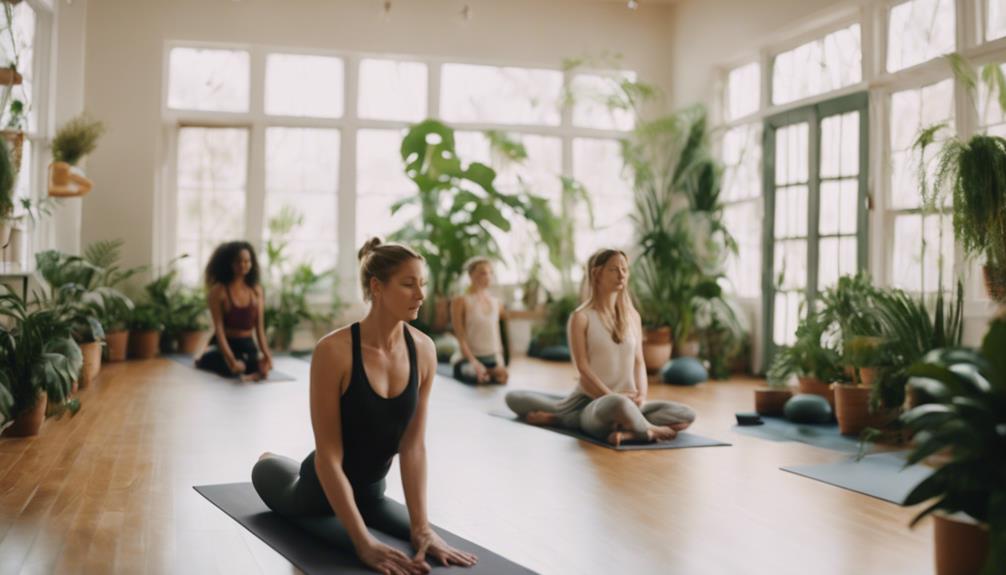

Yoga can be a practical way to add movement, strength work, and mindful habits to a weight-loss plan. A well-chosen yoga video makes it possible to practise at home, repeat lessons as often as needed, and adjust the pace to suit your experience. While yoga is not a shortcut to rapid weight loss, regular practice can support lasting changes when combined with balanced eating, adequate sleep, and other forms of physical activity.
What yoga can contribute to weight loss
Different styles of yoga provide different types of exercise. Faster-paced flows can raise your heart rate, while standing poses, balances, and core exercises challenge muscles and improve stability. Slower sessions may not feel as strenuous, but they can help with mobility, recovery, relaxation, and awareness of physical sensations.
That awareness may also make it easier to notice habits connected with stress, boredom, or distracted eating. Yoga cannot replace sound nutrition or overall activity, but it can become a consistent part of a broader approach to health.
Why use a video at home?
A video-led class removes some of the barriers that can make starting a new exercise routine difficult. You can choose a convenient time, practise privately, and pause or replay an explanation when a movement is unfamiliar. You can also select a session based on its length, intensity, and level of instruction rather than trying to keep up with a group.
- Flexible scheduling: Choose a short routine on busy days or a longer class when you have more time.
- Repeatable instruction: Revisit sequences and alignment guidance until they feel comfortable.
- Adjustable intensity: Modify poses or stop for a rest whenever necessary.
- Low equipment needs: A mat is useful, while blocks, a strap, or folded towels can provide additional support.
How to choose a yoga for weight loss video
Look for classes that describe their intensity and intended experience level clearly. Beginners may benefit from slower instruction, pose demonstrations, and frequent reminders about modifications. More experienced practitioners might choose dynamic flow classes that include repeated transitions, standing sequences, and strength-focused work.
A useful video should explain how to perform movements safely rather than encouraging you to force a deeper stretch or keep going through pain. Consider trying several instructors and formats before choosing a regular series. The best class is one whose pace, teaching style, and level of challenge make you want to return.
When reviewing a video, check whether it includes:
- A clear warm-up and a gradual increase in intensity
- Options for reducing the difficulty of poses
- Instructions for alignment, breathing, and safe transitions
- A cooldown or closing relaxation period
- A realistic description of what the session can and cannot achieve
Free online classes and familiar instructors
There are many free yoga classes online, including beginner routines and more active sessions designed to build strength and stamina. Yoga with Adriene is one example of a widely recognised online teaching option, with approachable instruction and modifications that can suit people who are developing a home practice. However, no single channel is right for everyone. Sample different teachers and keep the videos that provide clear cues and an appropriate challenge.
If you use free content, organise a small playlist by duration and intensity. This makes it easier to practise consistently instead of spending most of your available time searching for a class.
Build a realistic weekly routine
Consistency matters more than choosing the most difficult session. Start with two or three classes each week, using shorter practices if you are new to yoga or returning after a break. As your fitness and confidence improve, you can add time, frequency, or intensity gradually.
A balanced week might include active yoga sessions on some days and gentler mobility or restorative practices on others. Walking, cycling, strength training, or another form of enjoyable movement can complement yoga and provide variety. Avoid treating a demanding daily routine as necessary for success; a sustainable schedule is more valuable than an ambitious plan that quickly becomes exhausting.
Be cautious about quick weight-loss promises
Searches for “yoga for quick weight loss” often reflect a desire for immediate results, but a few video sessions are unlikely to produce dramatic change on their own. Weight loss is influenced by food intake, daily movement, sleep, stress, and individual health factors. Yoga is best viewed as a tool that can help you become stronger, more active, and more attentive to your habits over time.
Track progress in more than one way. Improvements in balance, flexibility, energy, strength, mood, or how your clothes fit may appear even when the scale changes slowly.
Practise safely
Move within a comfortable range and stop if you experience sharp pain, dizziness, or unusual discomfort. Use modifications instead of forcing a pose, and increase the challenge gradually. If you have an injury, a medical condition, or concerns about starting an intensive exercise programme, seek advice from a qualified healthcare professional first.
With realistic expectations and a video you enjoy, yoga can become a dependable part of a healthy weight-loss routine—one that supports movement, recovery, and habits you can maintain.