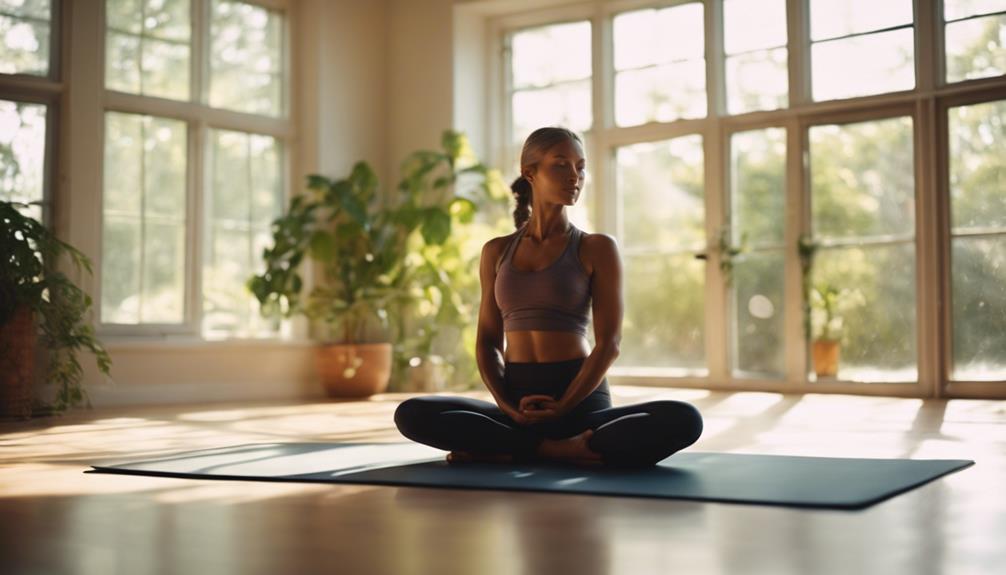

Searching for kundalini training near me often means looking for more than a conventional exercise class. Kundalini practice brings together movement, breathwork, mantra, meditation, and relaxation in a structured approach to yoga. The right class can offer a meaningful way to explore concentration, awareness, and inner energy while giving you clear instruction and a pace that suits your experience.
What to expect from kundalini training
Kundalini yoga is traditionally associated with the idea of awakening subtle energy and supporting its movement through the body. In practical terms, a class may combine physical postures with kriyas, which are sequences designed around a particular intention or method. Breath techniques, chanting, hand gestures known as mudras, meditation, and periods of relaxation may also be included.
This combination gives kundalini a different emphasis from styles that focus primarily on alignment, strength, or flexibility. A class can be physically active, but its purpose is not limited to working the body. Many sessions are designed to develop steadiness, attention, and a deeper awareness of the relationship between breath, movement, and mental state.
How to find kundalini classes in your area
Begin by checking yoga studios, community centres, wellness spaces, and local teacher listings. Search for classes described specifically as kundalini yoga, kundalini meditation, or kriya-based practice. Class descriptions can help you understand what will be included. Look for references to:
- Guided kriyas or structured movement sequences
- Breathwork, such as long deep breathing or breath of fire
- Mantra, chanting, or meditation
- Options for beginners and physical modifications
- Time for relaxation at the end of the session
If you are new to this style, a listing for kundalini yoga for beginners may be the best starting point. Introductory classes should explain unfamiliar techniques rather than assuming that students already understand the terminology or pace of practice.
Kundalini meditation and the idea of awakening
Kundalini meditation classes can take several forms. Some include a short meditation within a broader yoga session, while others focus mainly on stillness, breath, visualisation, sound, or mantra. Ask the teacher what a typical class involves before attending, especially if you are looking for a quiet practice rather than a physically dynamic one.
People sometimes search for kundalini awakening because they hope for a dramatic spiritual or energetic experience. A responsible approach is more gradual. Teachers should avoid sensational promises and recognise that students may respond differently to intense breathwork, movement, or meditation. Grounding practices, relaxation, clear explanations, and the freedom to pause or modify an exercise are important parts of a supportive class.
Choosing a kundalini teacher
The teacher has a major influence on the quality of your experience. Before committing to a course, consider asking about their training, teaching background, lineage, and approach to student safety. You do not need to choose a teacher solely because they use advanced language or make ambitious claims. Clear communication and respectful instruction are more useful indicators of a good fit.
Try an introductory class if one is available. Notice whether the teacher:
- Explains the purpose and method of each practice
- Offers alternatives for different levels of ability
- Encourages students to work within their own limits
- Handles breathwork and emotional responses with care
- Allows questions without presenting one experience as the correct outcome
Reviews and personal recommendations can provide additional context, but your own experience of the class matters most. A teacher who is a good match for one student may not suit another person’s goals, preferences, or pace.
Starting a regular practice
Beginners generally benefit from consistency rather than intensity. After learning the basics in class, you might use a short kriya, a few minutes of suitable breathwork, and a brief meditation as a simple home routine. Follow the instructions provided by your teacher, and avoid adding demanding techniques before you understand how to practise them properly.
Regular relaxation is also important. Kundalini practice can include stimulating movement and breathing, so ending with quiet rest can help create balance. If a technique feels uncomfortable, overwhelming, or unsuitable for you, stop and discuss it with the instructor rather than forcing your way through.
Finding the right local option
The best kundalini training near you will match your reason for practising, whether you are drawn to breath-centred kriyas, chanting, meditation, or a more spiritually focused form of yoga. Compare class descriptions, speak with teachers, and try an introductory session where possible. Look for an environment that combines depth with clear guidance, respects individual pace, and treats safety as part of the practice rather than an afterthought.