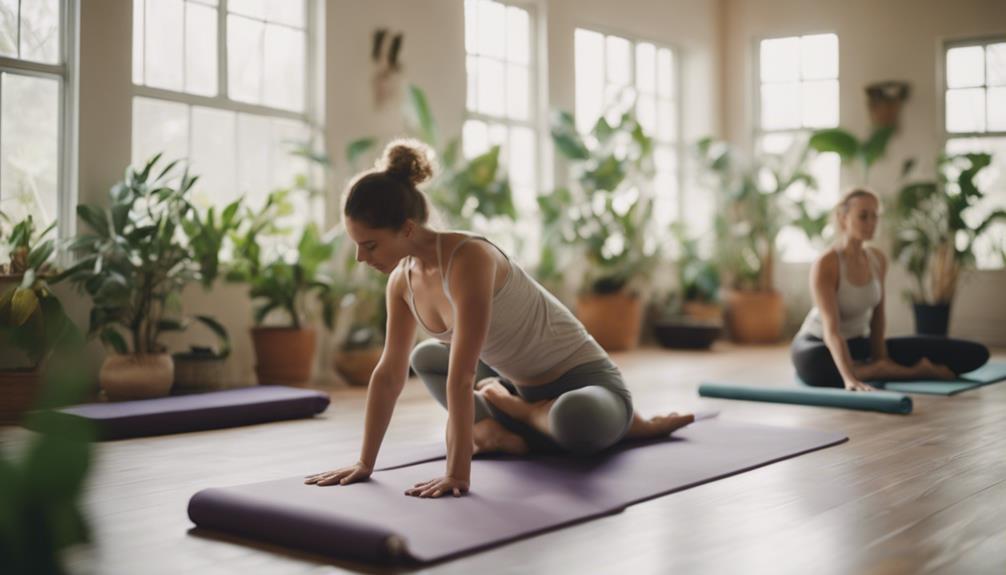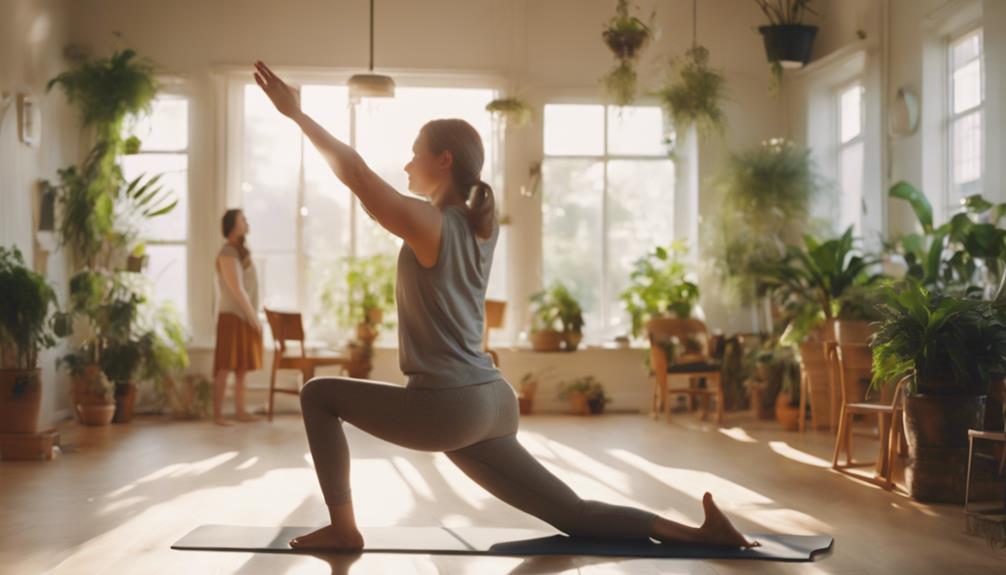
Online hatha yoga classes offer a practical way to learn and maintain a balanced yoga practice from home, while travelling, or wherever you have enough space to move safely. Hatha yoga is often taught at a measured pace, giving students time to explore posture alignment, breathing, transitions, and relaxation. This makes online hatha yoga suitable for beginners as well as experienced practitioners who want to revisit the foundations or refine their technique.
What makes hatha yoga different?
Hatha yoga classes commonly bring together physical postures, breath awareness, focused movement, and periods of stillness. Rather than rushing from one pose to the next, a class may allow time to establish a stable position, notice how the body feels, and make appropriate adjustments.
The emphasis on deliberate practice can help students develop greater awareness of posture, balance, mobility, and breathing habits. Hatha classes may also provide a useful foundation for exploring other yoga styles, because the principles of alignment and mindful movement can be applied across many types of practice.
What to expect from an online hatha yoga class
A typical session may begin with centering or simple breathwork before moving into a sequence of standing, seated, and lying-down postures. The teacher may demonstrate variations, explain alignment points, and suggest ways to use props such as blocks, straps, cushions, or a wall for support.
Many classes finish with guided relaxation, quiet breathing, or a short meditation. The exact structure depends on the instructor and the level of the class, so read the description before joining. A beginner class may spend more time explaining basic positions, while an intermediate session may include longer holds, more detailed breath practices, or a broader exploration of yoga philosophy.
Benefits of practising hatha yoga online
- Flexible scheduling: Live and recorded classes can make it easier to fit practice around work, family commitments, or travel.
- Foundational instruction: Slower sequencing gives students time to understand basic postures and transitions.
- Repeatable learning: Recorded sessions can be revisited when you want to review a teacher’s cues or repeat a familiar sequence.
- Access to different teaching styles: Online learning can introduce you to instructors and approaches that may not be available nearby.
- Support for mindful movement: Attention to breath, alignment, and physical sensations encourages a deliberate rather than hurried practice.
Online learning does require personal responsibility. If a movement causes sharp pain, dizziness, or discomfort that feels unusual, come out of the pose and rest. Choose modifications whenever they make the practice more comfortable, and ask a qualified healthcare professional for individual guidance when necessary.
How to choose the right online hatha yoga class
Start by matching the class description to your experience and goals. If you are new to yoga, look for terms such as “beginner,” “foundations,” “gentle,” or “alignment-focused.” Clear instructions, a slower pace, and explanations of modifications can make a class easier to follow.
Students with more experience may prefer classes that include longer holds, pranayama, more demanding posture work, or philosophical discussion. Consider whether you learn best through live interaction or recorded instruction. Live classes may allow questions and, where the platform supports it, teacher feedback on visible alignment. Recorded classes offer more control over timing and repetition.
Instructor qualifications, class length, accessibility information, and student reviews can also help you decide. If a trial class is available, use it to assess the teacher’s communication, pacing, and approach to variations before committing to a larger programme.
Creating a supportive practice space
You do not need an elaborate studio to practise hatha yoga online, but the area should be clear enough for you to extend your arms and legs without hitting furniture. A non-slip yoga mat, two blocks, a strap, and a cushion are useful starting points, although many poses can be adapted with household alternatives when appropriate.
For a live class, position your camera so the instructor can see as much of your body as possible. Check that the audio is clear, reduce background distractions, and test the connection before the session begins. Soft or natural lighting can make it easier to follow demonstrations, while a sturdy chair or wall nearby may provide extra support for balance work.
Building a consistent hatha yoga routine
Consistency is usually more helpful than trying to make every session intense. Plan regular classes that fit your schedule and allow time for recovery. You might alternate longer instructional sessions with shorter practices focused on breathing, mobility, or relaxation. Walking, gentle strength work, and restorative practices can also complement hatha yoga.
After class, note what you observed: perhaps a useful alignment cue, a posture that needs modification, or a change in your breathing. Setting practical goals—such as attending regularly, becoming more comfortable with a foundational posture, or maintaining steady breath—keeps attention on personal learning rather than comparison.
With the right class level, a prepared space, and a patient approach, online hatha yoga classes can provide a structured way to develop strength, flexibility, balance, breath awareness, and confidence over time.