Yoga flow is a movement-based approach to yoga in which postures are linked through conscious breathing. Instead of treating each pose as a separate exercise, a flow practice emphasizes the transitions between poses as well as the shapes themselves. The pace and difficulty can vary considerably, making yoga flow suitable for gentle, steady, or physically demanding sessions. To deepen your Yoga Flow practice, explore yoga styles that match your goals, pace, and preferred level of challenge.
Although the terms yoga flow and vinyasa are often used interchangeably, flow is a broad description rather than one fixed system. A teacher may create a sequence around mobility, balance, strength, relaxation, or a particular group of postures. The common thread is intentional movement coordinated with the inhale and exhale.
What happens in a yoga flow class?
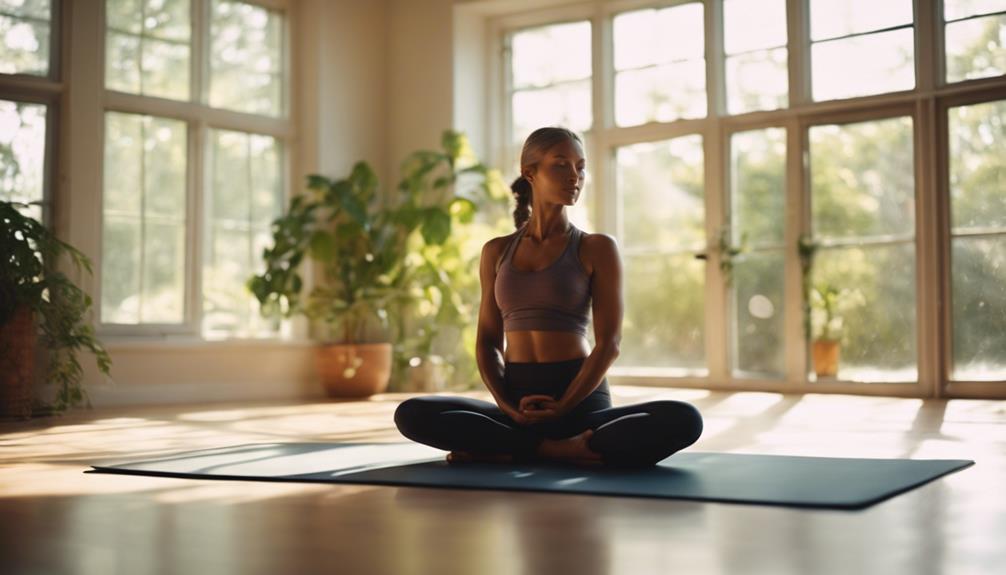
Many classes begin with a few quiet moments to settle attention and establish a comfortable breathing rhythm. Gentle movements may follow, such as spinal waves, twists, hip openers, or supported stretches. These preparations gradually introduce the body to a larger range of motion before more demanding sequences begin.
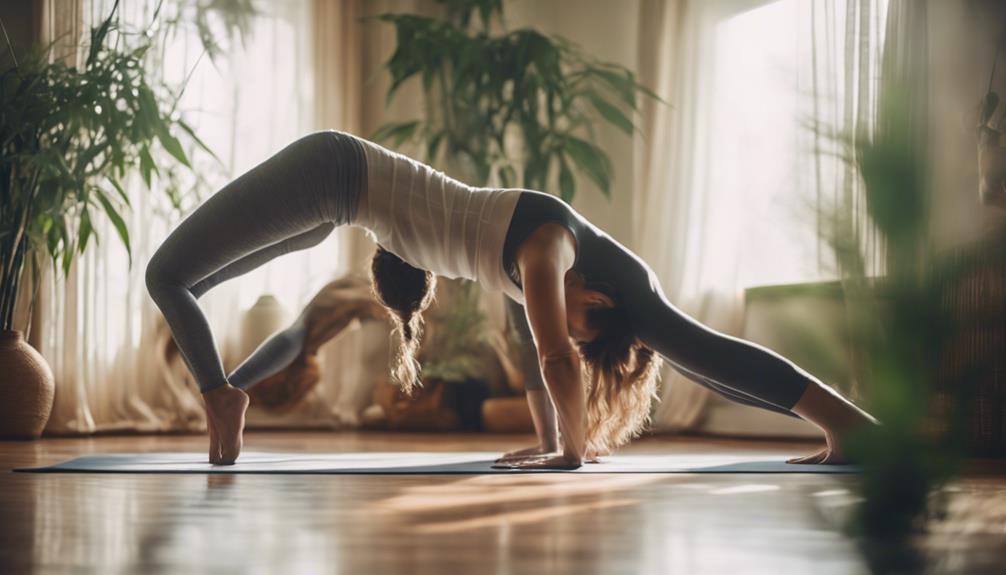
Sun salutations are frequently used as a foundation because they connect standing, folding, plank, and backbending movements in a repeatable pattern. From there, a teacher might add lunges, standing poses, balances, twists, or seated postures. The sequence may repeat with variations so students can become familiar with the pattern while refining breath and alignment.
A complete practice usually includes a gradual wind-down. Slower floor-based movements, gentle stretches, and a final relaxation period help create a clear transition from active movement to rest. The exact order, pace, and posture selection depend on the teacher and the purpose of the class.
Potential benefits of yoga flow
Because flow sequences combine movement, balance, and sustained attention, they can support several aspects of a well-rounded practice:
- Strength and endurance: Transitions and weight-bearing postures engage several muscle groups over the course of a sequence.
- Mobility and flexibility: Repeated, controlled movement can help students explore comfortable ranges of motion.
- Body awareness: Coordinating breath with posture encourages attention to alignment, effort, and physical sensation.
- Balance and coordination: Moving deliberately between poses challenges stability and control.
- Mental focus: Following the breath and sequence can provide a moving form of meditation and help anchor attention in the present moment.
These benefits depend on the way a person practices. Moving faster or forcing a deeper position is not required for a meaningful experience. Consistent, attentive practice is generally more useful than treating every session as a test of intensity.
How yoga flow differs from other styles
Yoga flow shares features with several established approaches, but the structure and emphasis can differ: Deepen your Yoga Flow practice through heated yoga sessions offered throughout North Jersey.
- Vinyasa: Usually describes linking breath and movement, often through recurring transition patterns. Many vinyasa classes are also described as flow classes.
- Ashtanga: Uses set series of postures performed in a prescribed order. A general flow class may borrow elements from this approach without following a fixed series.
- Power yoga: Often places greater emphasis on strength, stamina, and athletic challenge, although the pace varies by teacher.
- Yin yoga: Typically uses longer-held, passive postures rather than continuous movement.
- Restorative yoga: Prioritizes support, ease, and relaxation with the help of props and minimal muscular effort.
A class described simply as yoga flow can therefore range from slow and accessible to vigorous and physically demanding. Reading the class description or asking the teacher about pace and level can help you choose an appropriate session.
Starting a safe home practice
When learning at home, begin with short sessions and familiar movements. Focus first on smooth breathing and stable transitions rather than completing an advanced sequence. Modified sun salutations, standing poses, and gentle floor work can provide a practical starting point.
Props can make practice more comfortable and help reduce unnecessary strain. Blocks may bring the floor closer during standing or folding postures, while a strap can assist with positioning when the hands do not comfortably reach. Elevating the hands, shortening the range of motion, or choosing a gentler variation are valid ways to adapt a pose.
Move within a manageable range and avoid forcing a joint or holding the breath to achieve a shape. If a movement causes sharp or unusual pain, stop and choose a different variation. Clear instruction on breathing, alignment, and modifications is especially valuable when following an online class.
Building a balanced routine
Flow can be the active centre of a yoga routine, but it does not need to fill every session. Alternating dynamic practice with slower mobility work, yin, or restorative yoga can add variety and allow time for recovery. Targeted strength work or core exercises may also complement transitions that require stability and control.
The most sustainable routine is one that matches your goals, schedule, and current ability. Whether practiced in a class or at home, yoga flow offers a flexible way to connect breath with movement while developing strength, mobility, coordination, and concentration.