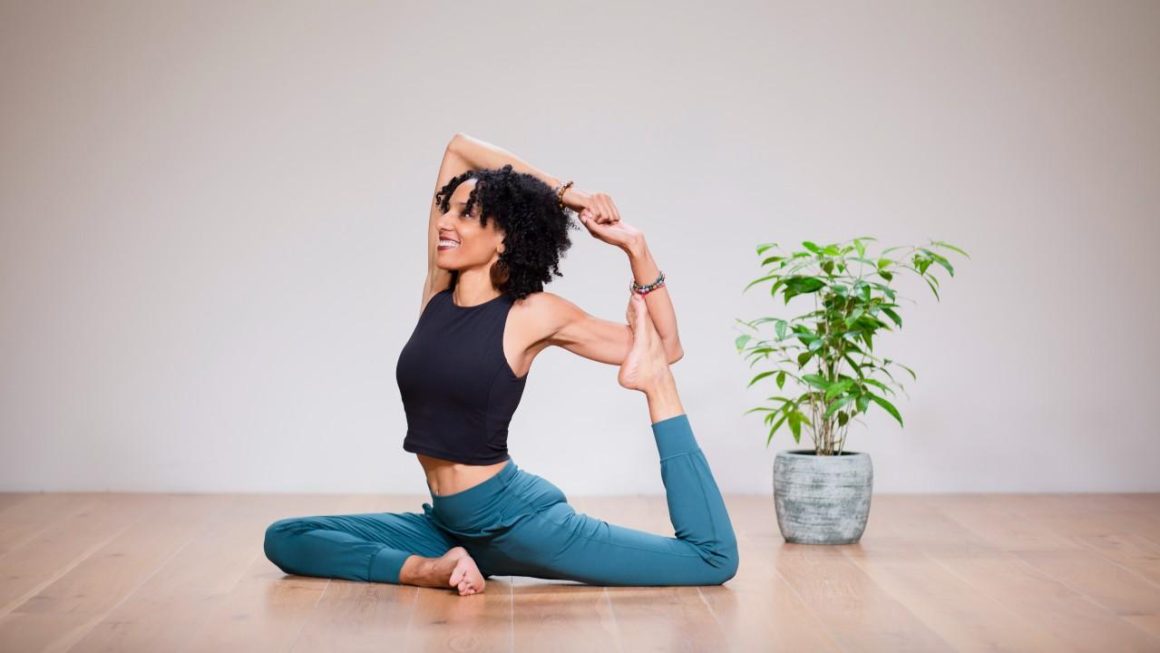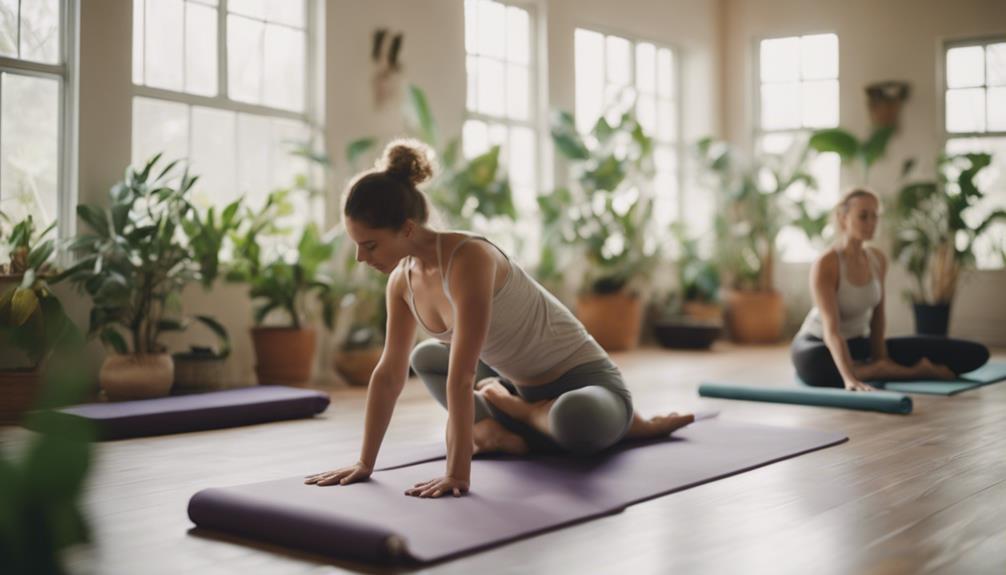
Washington, DC offers a broad range of yoga experiences, from energetic studio classes and heated flows to restorative sessions, workshops, and teacher-training programs. With options in different neighborhoods and at many levels, choosing a studio is less about finding a single “best” option and more about matching a space, schedule, teaching style, and community to your goals. Washington DC yoga studios often offer opportunities to explore yoga styles suited to different goals and experience levels.
What to look for in Washington, DC yoga studios
A convenient location and appealing timetable can make the difference between an occasional class and a sustainable practice. Many studios schedule sessions in the early morning, around midday, and during the evening, making it easier to fit yoga around work, commuting, or sightseeing.
As you compare yoga studios in Washington, DC, consider the following:
- Class level: Look for beginner, all-level, intermediate, or advanced descriptions that match your experience.
- Teaching approach: Some instructors focus on alignment and detailed instruction, while others emphasize flow, strength, meditation, or relaxation.
- Schedule: Choose a studio with regular classes at times you can realistically attend.
- Pricing: Compare drop-in rates, introductory offers, class packages, memberships, and any community pricing.
- Facilities: Depending on your needs, you may want showers, lockers, changing areas, mat rental, or space to store personal belongings.
- Atmosphere: A welcoming, respectful environment is just as important as the studio’s equipment or design.
Yoga classes in DC: Common styles explained
Studio schedules often include several distinct approaches to yoga. Understanding the basic differences can help you select a class that fits your energy level and purpose.
- Vinyasa: Breath-linked movement with sequences that may range from gentle to physically demanding. The pace and structure can vary considerably by teacher.
- Hatha: Often slower and more focused on foundational postures, alignment, breathing, and steady transitions.
- Yin: Longer-held poses that place emphasis on stillness and gradual release rather than continuous movement.
- Restorative: A gentle practice using supported poses to encourage relaxation and recovery.
- Power yoga: A vigorous option for students who want to build heat, strength, balance, and stamina.
- Ashtanga: A structured and physically challenging practice based on a consistent sequence and disciplined progression.
If you are uncertain, read the full class description or contact the studio before booking. A beginner-friendly class can provide a more comfortable introduction than a session designed for experienced practitioners.
Hot yoga in Washington, DC
Hot yoga appeals to students who enjoy practicing in a heated room and combining yoga with a stronger physical challenge. Heated offerings may include traditional sequence-based classes as well as contemporary heated vinyasa sessions. The pace, room temperature, and expectations can differ, so check the studio’s description before attending.
New students should consider starting with an introductory or beginner class. Drink water before and after practice, take breaks when necessary, and tell the instructor about injuries, medical concerns, or anything that may affect your participation. Heat can make a class feel more intense, and flexibility should never be forced. Readers comparing yoga studios in Washington, DC may enjoy exploring hot yoga practices available in San Antonio.
Choosing the best yoga studio in DC for your routine
Reviews can offer useful clues about teaching quality, organization, and atmosphere, but an in-person visit is often the best way to assess whether a studio suits you. If available, try a drop-in class before committing to a package or membership. Notice whether the instructions are clear, whether modifications are offered, and whether the class matches its description.
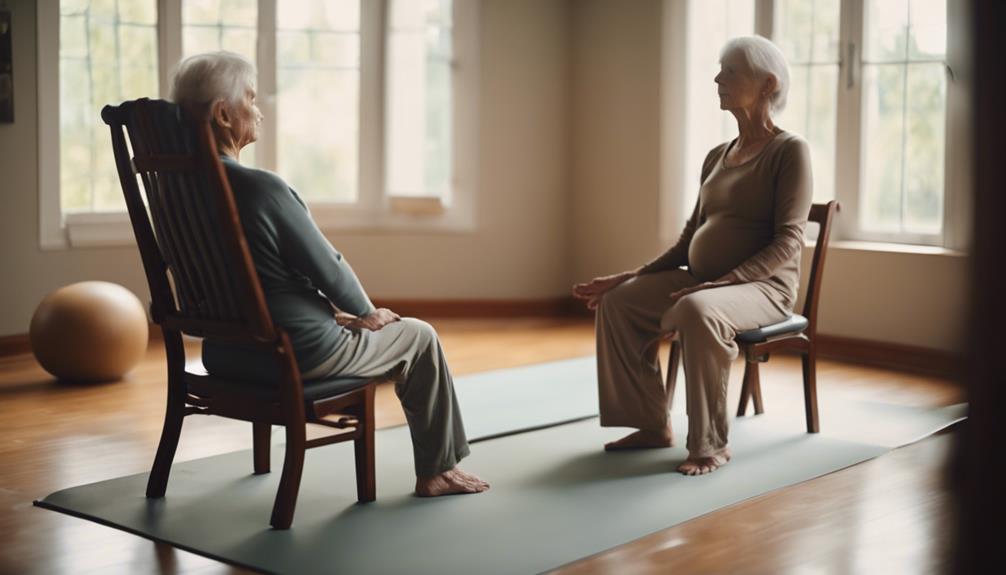
Think about your main reason for practicing. A commuter may value a studio near work or home, while a visitor may prioritize convenient drop-in access and equipment rental. Someone seeking stress relief may prefer yin or restorative classes; another student may want regular vinyasa or power sessions for conditioning. Students managing specific needs can also look for offerings such as prenatal, therapeutic, or alignment-focused yoga.
Yoga training and continuing education in DC
For students who want to explore yoga beyond weekly classes, Washington, DC studios may offer workshops, specialty courses, and teacher-training programs. Foundational teacher education commonly combines yoga philosophy, anatomy, teaching methodology, hands-on practice, and supervised teaching experience.
Before enrolling in a yoga training program, review its curriculum, format, schedule, faculty background, practical requirements, and opportunities for continued learning. A clear understanding of the program’s goals will help you decide whether it is appropriate for personal study, professional development, or a future teaching path.
Tips for your first visit
- Arrive early enough to check in and become familiar with the space.
- Tell the teacher if you are new, injured, pregnant, or unsure how to modify a pose.
- Wear clothing that allows comfortable movement and bring water.
- Silence notifications and respect the studio’s quiet areas.
- Ask about mats, props, showers, lockers, and cancellation policies before class.
Whether you want a vigorous hot yoga class, a calming evening practice, or a structured path toward teacher education, the yoga studios in Washington, DC provide many ways to begin. Sample different styles, compare practical details, and choose the place where you feel both supported and motivated to return.