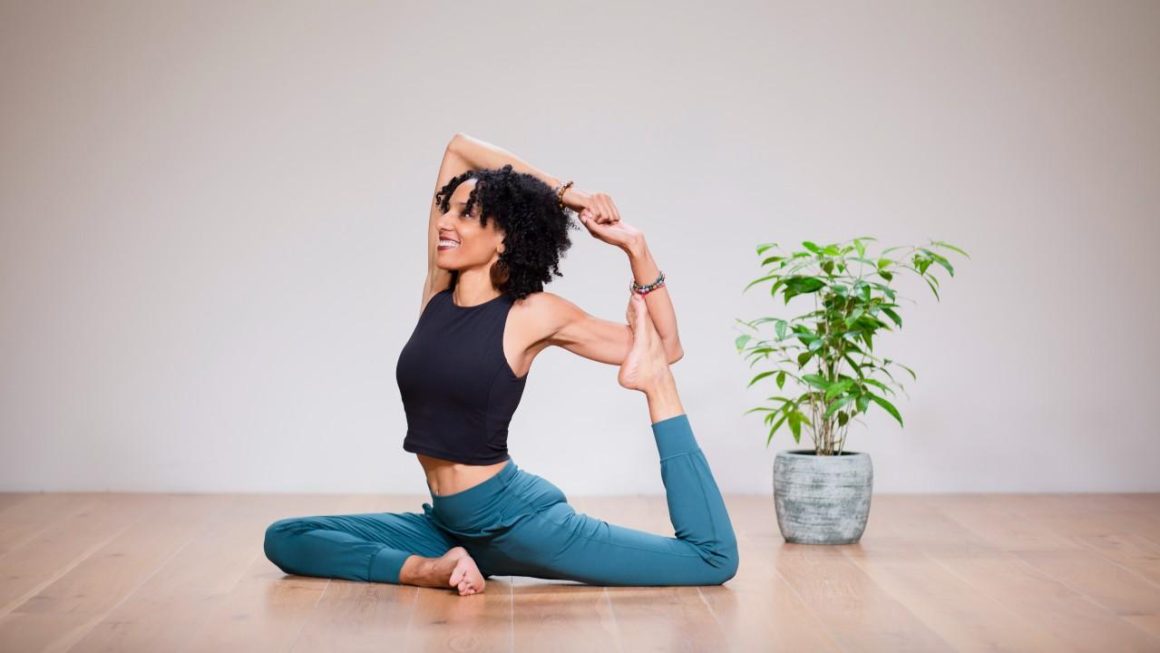
The right wellness class should be practical, welcoming, and suited to your current goals. Whether you want to improve mobility, build strength, manage stress, or establish a more consistent routine, the best choice is not necessarily the most popular or expensive option. It is the class you can attend regularly, follow safely, and enjoy enough to keep returning.
Start with your goals
Before searching for a class, identify what you want it to help you do. A class designed for relaxation may not meet the needs of someone seeking more challenging exercise, while a high-intensity session may be unsuitable for a beginner or anyone managing an injury.
Possible goals include:
- Improving flexibility, balance, posture, or mobility
- Building strength and general fitness
- Developing a calming routine through breathing, meditation, or gentle movement
- Finding support while returning to exercise
- Meeting people through a regular, shared activity
Knowing your priorities makes it easier to compare class descriptions and avoid choosing a program based only on attractive photographs or broad marketing language.
Finding local classes
Searching for “yoga near me” or “wellness classes near me” can quickly reveal studios, community venues, gyms, and independent instructors. Mapping services and local directories are useful starting points, but the listing itself may not provide everything you need. Visit the provider’s website or contact the venue to confirm class times, prices, experience levels, and what equipment is included.
Look for descriptions that explain the class pace, format, and expected level of participation. Terms such as beginner, gentle, restorative, intermediate, mobility, or strength-focused can help you identify suitable options, but ask for clarification if the wording is vague. Recent reviews may also provide insight into the teaching style, atmosphere, and organisation of the venue.
Assess teaching quality and safety
A well-run health and wellness class should explain what participants can expect and provide reasonable options for different abilities. Instructors should be willing to demonstrate movements, explain technique, and offer modifications rather than assuming everyone has the same experience or physical capacity.
Before booking, consider asking:
- What experience level is the class intended for?
- How large are the sessions?
- Are mats, weights, or other props supplied?
- Can the instructor offer alternatives for limited mobility or previous injuries?
- What should a first-time participant know before arriving?
If you have an injury, chronic condition, or other health concern, discuss participation with an appropriate healthcare professional and tell the instructor before the class begins. A class should support safe participation, not pressure you to work through pain.
Compare schedules, prices, and commitment levels
Convenience is one of the strongest predictors of whether a routine becomes sustainable. A nearby class may be easier to attend than a more specialised option across town, especially when you are fitting it around work, family, or other responsibilities. Check whether the timetable includes morning, evening, or weekend sessions that realistically match your availability.
Compare the payment structure as well as the headline price. Drop-in bookings offer flexibility, while class packs or memberships may reduce the cost for people who attend regularly. Read cancellation and expiry policies before purchasing. If possible, start with a single class or introductory session so you can evaluate the experience without making a large commitment.
Consider the atmosphere
The environment can affect your motivation as much as the exercise itself. Notice whether the instructor welcomes questions, explains expectations clearly, and treats participants respectfully. A supportive class should allow people to work at an appropriate level without making newcomers feel uncomfortable or inadequate.
Class size, noise, room layout, changing facilities, and travel time may all influence your experience. These details are especially important if you prefer individual guidance, a quiet setting, or a strong sense of community.
Use online programs as a supplement
Online fitness and wellness programs can complement local instruction when travel or scheduling makes regular attendance difficult. They may also provide guided practice between classes or introduce related activities such as home strength work, stretching, or meditation.
When comparing an online program, look for clear instructions, suitable progression, information about the instructor, and guidance for adapting exercises. Choose sessions that match your available space, equipment, and experience. Online content should reinforce a routine you can follow safely and consistently rather than encourage you to do more than your current ability allows.
Prepare for your first session
Wear comfortable clothing, bring water, and check whether you need a mat or other equipment. Arrive early enough to complete registration and speak privately with the instructor about relevant limitations or concerns. During the class, pay attention to how your body feels and stop or modify an activity if something causes sharp or unusual pain.
Afterward, consider whether the pace, instruction, location, and atmosphere suited you. Trying two or three different formats can be helpful, but consistency matters more than choosing a perfect class immediately. A manageable session attended regularly is often a stronger foundation for wellbeing than an ambitious program that is difficult to maintain.