A breathwork session is a focused period of intentional breathing designed to bring greater awareness to the body, steady attention, and support relaxation. It can be practiced on its own, alongside meditation, or as a natural extension of yoga. Because breathwork techniques vary considerably, a session may be quiet and restorative or more structured and physically demanding.
What happens during a breathwork session?
Most guided sessions begin with an opportunity to settle in and notice how you feel. The facilitator may invite you to set an intention, observe your natural breathing pattern, and release unnecessary tension before introducing a particular technique.
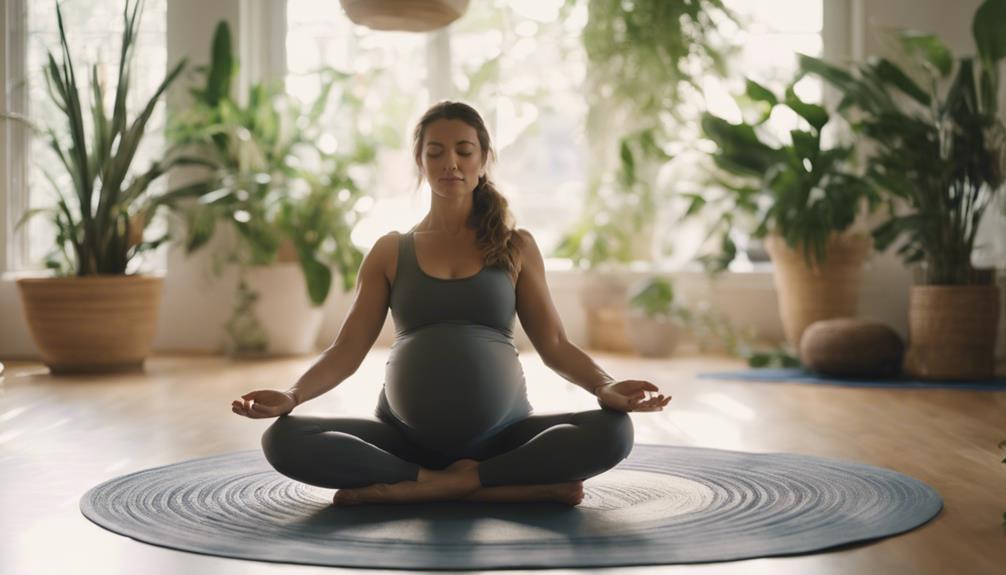
You may sit upright or lie down in a comfortable position. With your eyes closed or softly focused, you will typically follow verbal instructions about the pace, depth, and rhythm of each breath. Some sessions also include meditation, visualization, gentle movement, music, or periods of quiet reflection.
The experience depends on the approach and the length of the session. A beginner class may focus on simple, steady breathing and a calm exhalation. A longer workshop may explore several patterns, with time afterward to rest and reflect. You should not feel pressure to match anyone else’s pace; the practice is most useful when it remains comfortable and attentive.
How breathwork complements yoga and meditation
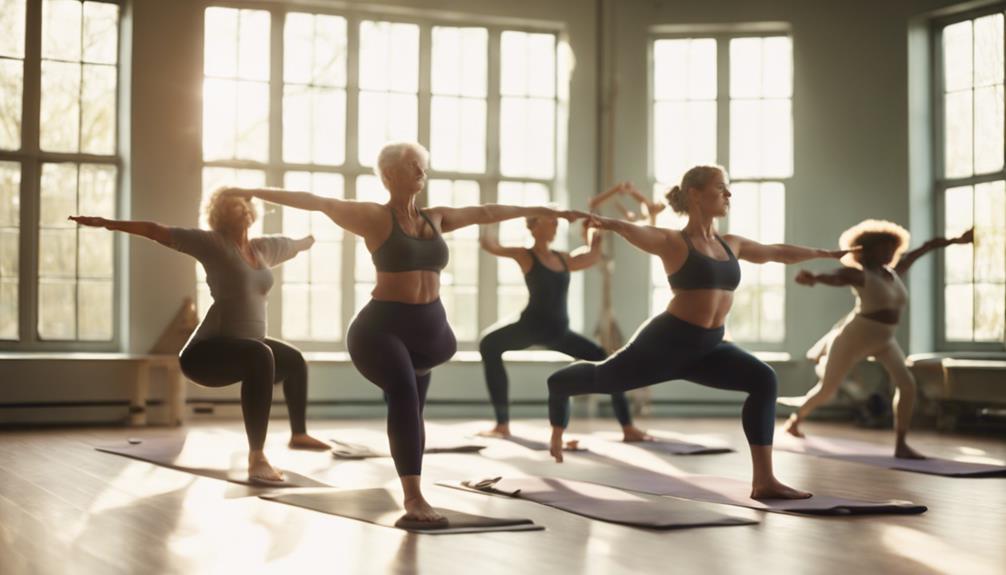
Yoga already places attention on the relationship between movement, breathing, and awareness. Adding a separate breathwork practice can make that relationship more deliberate. It may help you arrive on the mat with a clearer focus, notice physical tension, and transition more easily from movement into stillness.
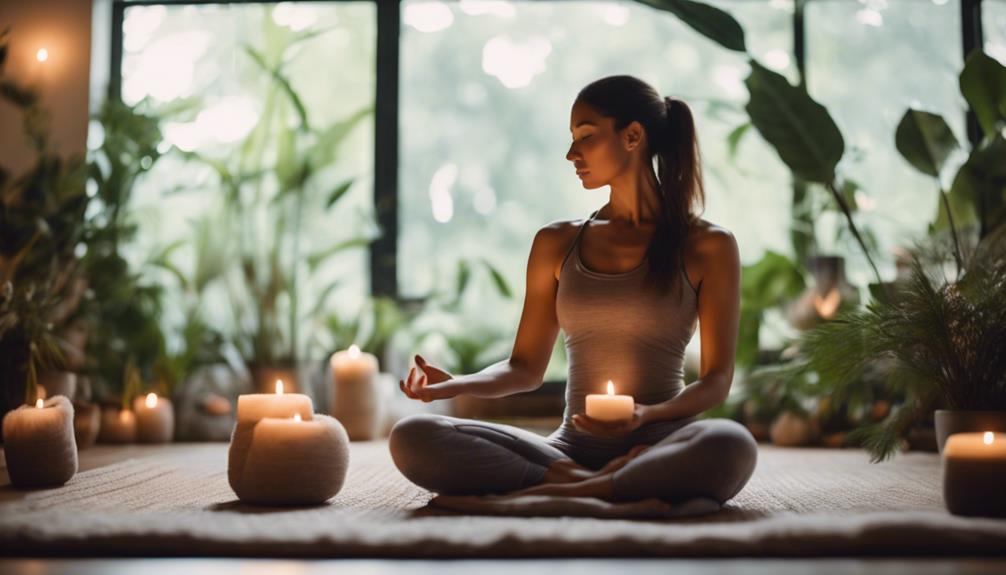
Breathwork and meditation overlap, but they are not identical. Meditation often involves observing thoughts, sensations, or the breath without trying to change them. Breathwork is more active: you intentionally adjust the breathing pattern and use those sensations as an anchor for attention. A short breathing practice can therefore be a useful preparation for seated meditation, especially when your mind feels restless or scattered.
With regular, appropriate practice, intentional breathing may support relaxation, present-moment awareness, and a greater sense of emotional steadiness. These effects are not necessarily dramatic, and they may differ from one person to another. A sustainable routine is usually more valuable than occasional intense sessions.
Choosing a way to learn
There are several practical ways to begin:
- Yoga classes: Many yoga teachers introduce gentle breathing exercises within a movement or relaxation class.
- Guided home practice: Audio or video instruction can provide timing and structure while you become familiar with the basics.
- Breathwork classes: A class offers a scheduled practice and the support of learning with others.
- Breathwork workshops: Workshops usually allow more time for instruction, longer practice, and personal reflection.
- Individual guidance: One-to-one instruction may be helpful if you want a practice adapted to your experience and needs.
For a first experience, look for clear explanations, realistic expectations, and an instructor who welcomes questions. If you have a history of trauma, a teacher familiar with trauma-informed approaches may help you feel more in control of the practice. You should always be able to pause, return to your natural breathing, or stop altogether.
Preparing for a session
Preparation can be simple. Wear clothing that allows your ribs and abdomen to move comfortably, choose a quiet place, and have a mat, blanket, or cushion available if you will be lying down. Avoid creating unnecessary pressure to perform or achieve a particular emotional experience.
During the practice, follow your own physical signals. Dizziness, discomfort, anxiety, or a feeling that the breathing is too intense are reasons to slow down and return to an easy, natural rhythm. More vigorous patterns and breath retention should be approached gradually and with suitable guidance. If you have health concerns or are unsure whether a technique is appropriate for you, seek advice from a qualified healthcare professional before participating.
What to do after breathwork
Give yourself a few quiet minutes at the end rather than immediately moving on to a demanding task. Notice your breathing, mood, and physical sensations. Gentle movement, journaling, or a short meditation can help you reflect on the session without forcing an interpretation.
To make breathwork part of a wellness routine, begin with a manageable practice and repeat it consistently. A few calm minutes before yoga, meditation, sleep, or a stressful part of the day may be enough to establish familiarity. As you learn which techniques feel supportive, you can decide whether to continue independently or explore a class or workshop.
Breathwork is adaptable: it can be a quiet pause, a preparation for meditation, or a focused complement to yoga. Start gently, learn from a reliable guide, and let comfort and awareness—not intensity—shape your practice.