Yoga teacher training is a significant commitment of time, energy, and money. It is also more than a course in demonstrating postures: a strong program should help you understand how people move, communicate instructions clearly, create thoughtful classes, and teach with care. YogaWorks teacher training is presented as a structured option for students who want to develop these skills through an alignment-focused approach, practical teaching experience, and guidance from experienced instructors.
What YogaWorks teacher training is designed to provide
The training may suit several kinds of students. Some participants are preparing to teach for the first time, while others already have teaching experience and want to improve their sequencing, communication, or understanding of anatomy. It can also appeal to dedicated practitioners who want a more systematic study of yoga, even if teaching is not their immediate goal.
Before enrolling, consider what you want from the experience. You may be looking for a professional qualification, a stronger personal practice, a deeper study of yoga philosophy, or a foundation for later specialist training. Your priorities will help you assess whether the program’s teaching style and schedule match your needs.
Core areas of study
A comprehensive teacher-training curriculum brings together physical practice, theory, teaching methodology, and professional preparation. The YogaWorks approach described in the legacy material places particular emphasis on alignment, functional anatomy, and clear instruction. Typical areas of study include:
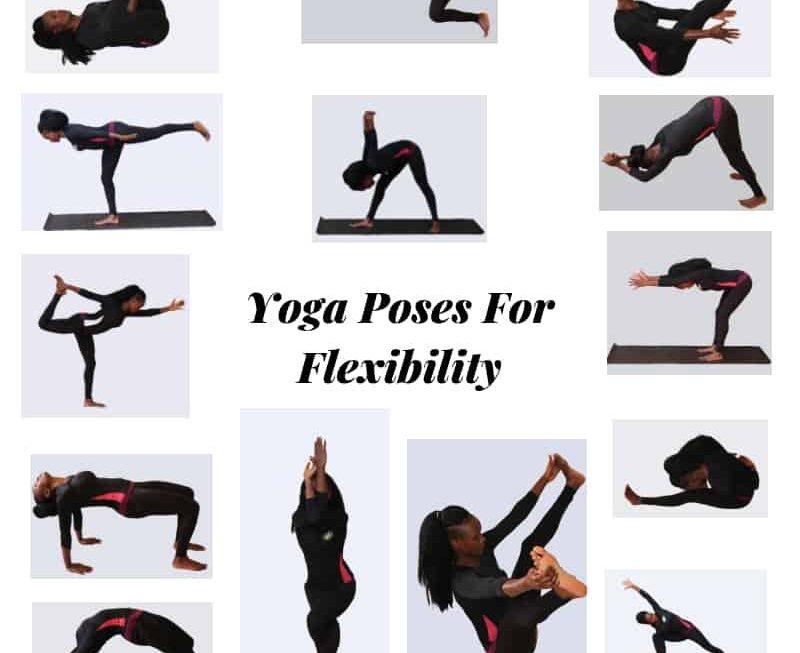
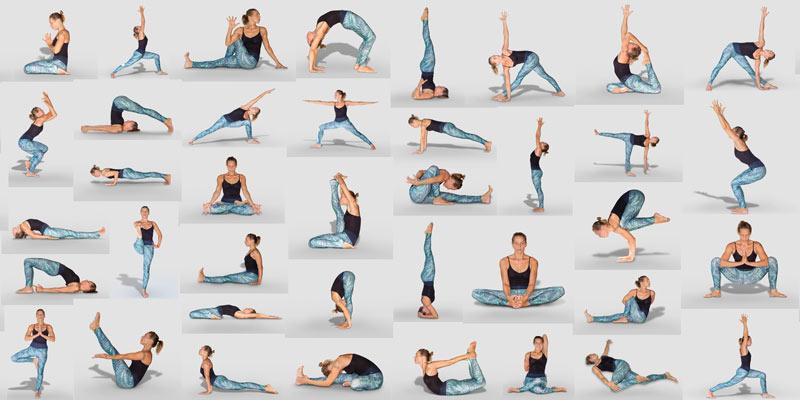
- Asana technique: exploring posture foundations, variations, common movement patterns, and ways to make practice more accessible.
- Anatomy: learning how bodies move and how anatomical principles can inform safer, more effective teaching.
- Sequencing: developing classes with a logical progression, appropriate pacing, and options for different levels.
- Verbal communication: practicing concise cues, demonstrations, observation skills, and language that supports student understanding.
- Yoga philosophy and ethics: connecting teaching practice with the broader ideas and responsibilities associated with yoga.
- Breath and meditation: studying methods that can complement physical practice and support a more complete class experience.
- Professional skills: considering class planning, teaching environments, and the practical demands of developing work as an instructor.
The value of these subjects comes from how they are integrated. Anatomy should inform cueing, philosophy should influence professional conduct, and sequencing should reflect an understanding of students’ abilities rather than simply reproduce a fixed routine.
Why supervised practice matters
Knowing yoga personally does not automatically translate into teaching it effectively. Trainees need opportunities to speak to a group, observe students, make decisions during a class, and respond when a plan does not work as expected. Practical components described for YogaWorks teacher training include teaching practice, observation, feedback, and mentorship.
These experiences can help you develop a teaching voice and become more comfortable with pacing, transitions, modifications, and classroom management. Feedback is most useful when you actively apply it: after each practice session, record what went well, which instructions students seemed to miss, and what you would change in the next class. Over time, this creates a practical record of your development rather than relying on memory alone.
How to prepare for the training
A consistent personal practice is a useful starting point, but physical flexibility is not the only preparation that matters. Build awareness by paying attention to breath, sensation, balance, and the effects of different instructions. It is also helpful to become familiar with basic anatomical language and introductory yoga philosophy before the course begins.
During the program, keep a training journal for class notes, posture observations, sequence ideas, questions, and faculty feedback. Organise your notes by topic so that they remain useful when you begin planning your own classes. Allow time for recovery as well: intensive training can be demanding physically and mentally, and rest supports learning.
Making effective use of digital resources
If the training includes an online portal, recorded sessions, reading materials, or schedule updates, set up access early and learn how the system is organised. A YogaWorks login may be required for some program resources, so confirm your credentials and check the platform regularly rather than waiting for an important announcement.
Use digital materials to review concepts that were difficult in person, revisit demonstrations, and refine class plans. Keep personal notes and assessment records backed up in an organised location. The online component should support classroom learning, not replace active participation, practice teaching, and direct feedback.
Certification and longer-term planning
Completion requirements and the recognition attached to a certificate can vary by program and location. Before committing, verify the current details directly with the training provider, including attendance expectations, assessments, teaching-practice requirements, total costs, and any registration or continuing-education options relevant to your goals.
Graduates may use their training as a foundation for studio classes, private instruction, workshops, wellness settings, or further study. Building sustainable work usually requires more than completing a certificate. You may also need to develop a schedule, communicate your offering, understand the needs of your intended students, and continue refining your teaching through experience.
A practical way to evaluate the program
Compare the curriculum with the kind of teacher you hope to become. Ask how much supervised teaching is included, how feedback is delivered, what support is available between sessions, and whether the program’s approach fits your values. Review the time commitment alongside your work, family, practice, and recovery needs.
YogaWorks teacher training can be considered as a structured pathway for combining personal study with teaching practice. The best choice will depend on the program details available to you and on whether its curriculum, mentorship, resources, and expectations align with your intended direction as a yoga instructor.