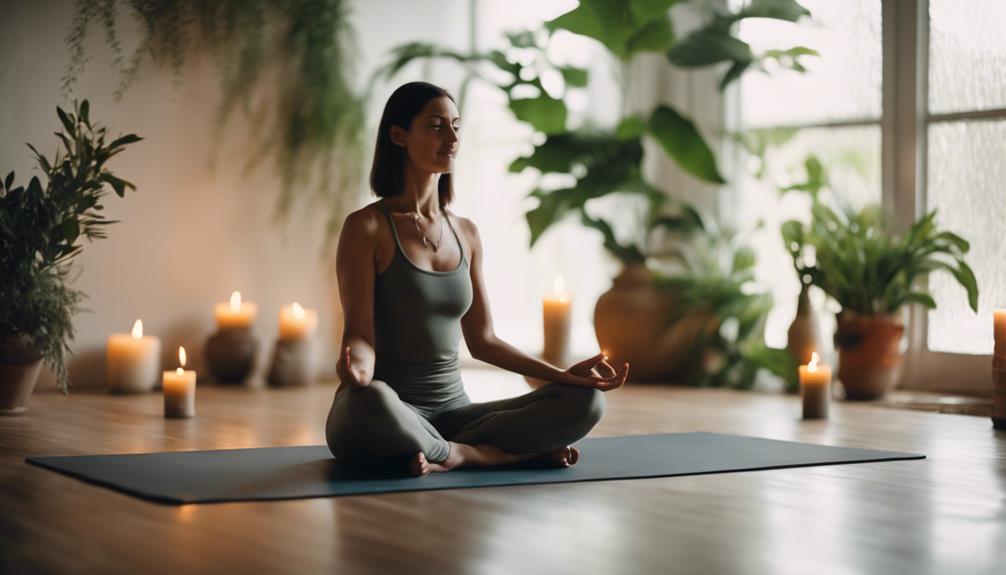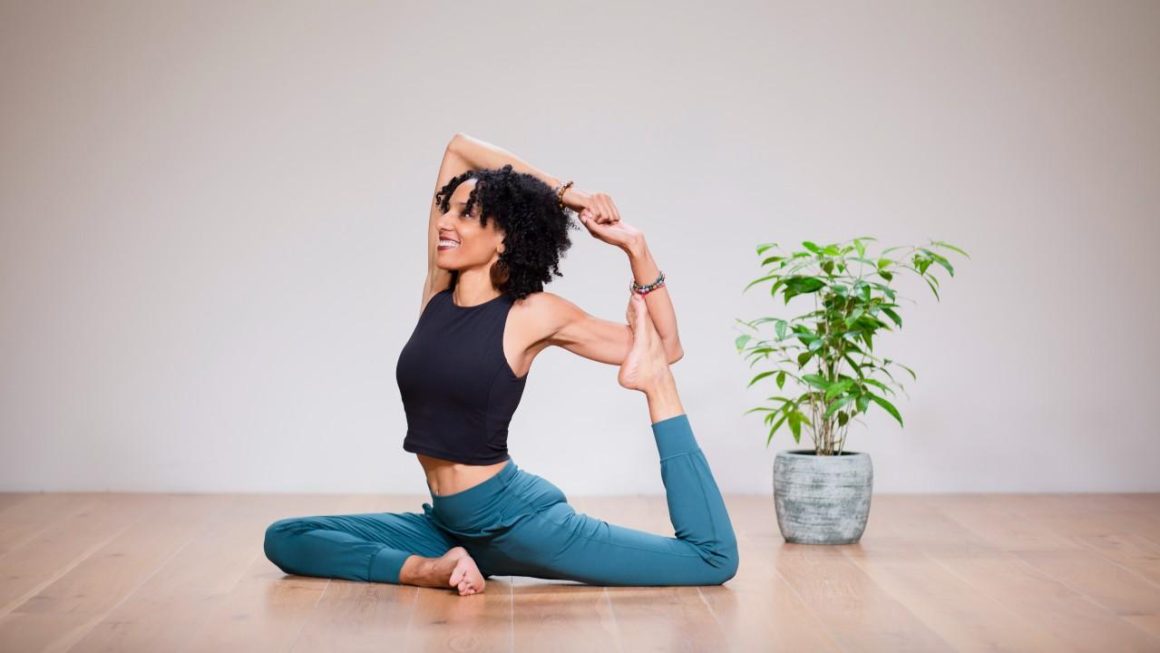
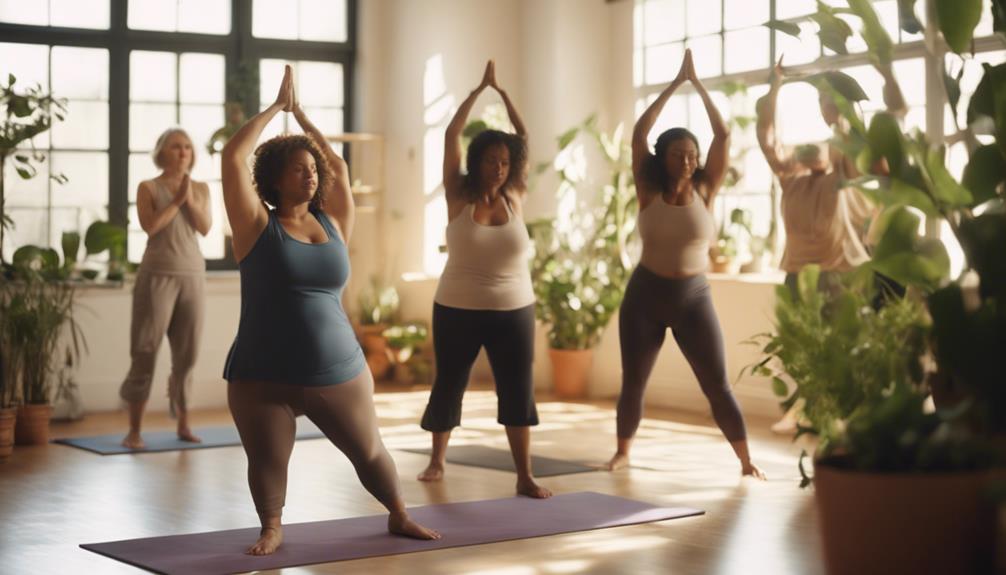
Finding the right yoga class nearby can help older adults stay active in a way that feels manageable, social, and enjoyable. If you are searching for yoga for seniors near me, look beyond distance alone. The best choice will also match your mobility, experience level, health needs, schedule, and comfort with group exercise.
Why yoga can be a good option for older adults
Senior-friendly yoga usually combines gentle movement, breathing exercises, balance practice, and relaxation. Depending on the class, it may support flexibility, posture, coordination, and functional strength without the fast pace or high impact found in some other fitness sessions.
Yoga can also provide time to focus, slow down, and reduce everyday tension. However, classes vary considerably. A general adult class may include challenging poses or quick transitions, while a class designed for older adults is more likely to offer seated exercises, chair support, props, and easier alternatives.
Where to look for local senior yoga classes
Several types of venues may offer yoga for older adults or gentle fitness sessions that include yoga-based movement:
- Senior centers and community centers
- YMCA and similar recreation facilities
- Yoga studios with beginner or gentle classes
- Fitness centers offering programs for adults over 60
- Community health, wellness, or leisure programs
Search maps, local directories, and venue websites using terms such as “senior yoga,” “chair yoga,” “gentle yoga,” “beginner yoga for seniors,” or “yoga classes for over 60.” These searches may reveal suitable options even when a class is not specifically titled “yoga for seniors.”
Before registering, contact the venue and ask what the class involves. Useful questions include:
- Is the class intended for beginners or experienced students?
- Are seated and standing modifications available?
- Does the instructor regularly teach older adults?
- Are chairs, blocks, straps, or other props provided?
- How long is the class, and how much time is spent on the floor?
- Can participants attend a trial or drop-in session?
What to expect in a beginner class
A beginner-friendly session may start with breathing, gentle joint movements, and a warm-up. The instructor might then introduce seated, standing, or supported poses, allowing time to move between positions safely. Many classes finish with stretching, relaxation, or quiet breathing.
Some sessions take place entirely in chairs, while others use a combination of chairs and yoga mats. If getting down to or up from the floor is difficult, ask about this before attending. A class described as gentle can still have different physical demands depending on the teacher and format.
Tell the instructor about relevant injuries, balance concerns, joint problems, osteoporosis, or other medical conditions before class begins. This gives the teacher an opportunity to suggest alternatives. If a healthcare professional has advised you to limit certain movements, share those restrictions and follow that guidance.
How to choose the right program
When comparing senior fitness programs near you, consider whether the environment feels supportive rather than competitive. A suitable instructor should explain movements clearly, demonstrate options, and encourage students to work within their own limits.
Class size can also matter. Smaller groups may make it easier for the instructor to offer individual guidance, while larger classes may provide more scheduling choices. Look for a location that is easy to reach and has safe entryways, enough room between participants, and accessible facilities. A convenient class is more likely to become a regular part of your routine.
It may take more than one visit to find a good match. If possible, try different formats, such as chair yoga, gentle mat yoga, or a broader over-60 fitness class that includes stretching and balance work.
Simple safety tips
- Wear comfortable clothing that does not restrict movement.
- Bring water and any assistive equipment you normally use.
- Move slowly during transitions from sitting to standing.
- Use a chair or wall for support when the instructor recommends it.
- Do not force a stretch or hold your breath.
- Stop if you feel sharp pain, dizziness, unusual shortness of breath, or loss of balance.
Gentle effort and mild stretching sensations may be expected, but pain is a reason to stop and ask for an adjustment. If you are unsure whether yoga is appropriate for your health or mobility level, discuss it with a qualified healthcare professional before starting.
Building a sustainable practice
Consistency is more useful than pushing hard in one session. Choose a class time you can attend reliably, and begin with a pace that leaves you feeling capable rather than exhausted. Short, chair-based movements at home may complement in-person classes, provided they are appropriate for you and follow the instructor’s guidance.
The best yoga for seniors near you is not necessarily the closest or most advanced option. It is the class that respects your current abilities, provides practical modifications, and makes regular participation realistic. By asking clear questions and starting gradually, you can find a local program that supports movement, confidence, and relaxation.