A health and wellness retreat near home can offer a meaningful change of pace without the cost, planning, or fatigue of long-distance travel. Depending on the setting and schedule, a nearby retreat may include yoga, meditation, guided reflection, nature activities, workshops, or time for quiet rest. The best choice depends on what you want to improve, how much time you have, and the level of structure you prefer. Enhance your wellness retreat experience by exploring local yoga workshops that deepen mindfulness, movement, and relaxation.
Why choose a local wellness retreat?
Searching for a retreat near you makes it easier to take a restorative break while keeping travel simple. A short journey can be particularly useful if you are attending a weekend yoga workshop, trying a retreat for the first time, or hoping to build a regular wellness practice. Local options may also make it easier to return for follow-up classes, community events, or future group retreats.
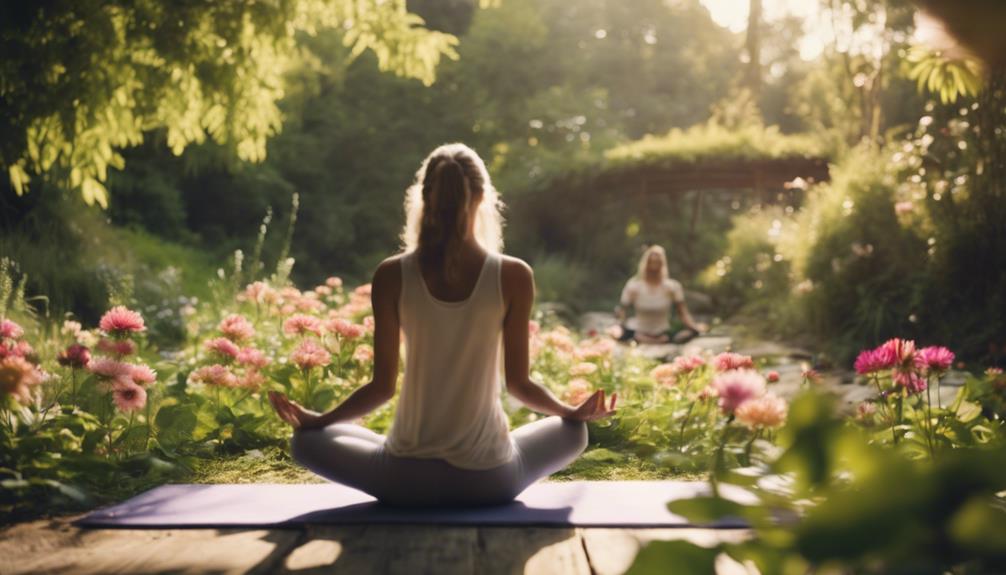
Nearby does not have to mean ordinary. Retreat locations may include wooded areas, coastal settings, farms, dedicated wellness centres, or quiet accommodation outside a busy town. Consider whether the surroundings support the kind of experience you want: peaceful and private, social and activity-based, or focused on learning.
Decide what you want from the experience
Before comparing retreat providers, identify your main goal. A retreat designed for relaxation may look very different from one built around intensive practice or personal development. Common aims include:
- Rest, stress reduction, and time away from daily responsibilities
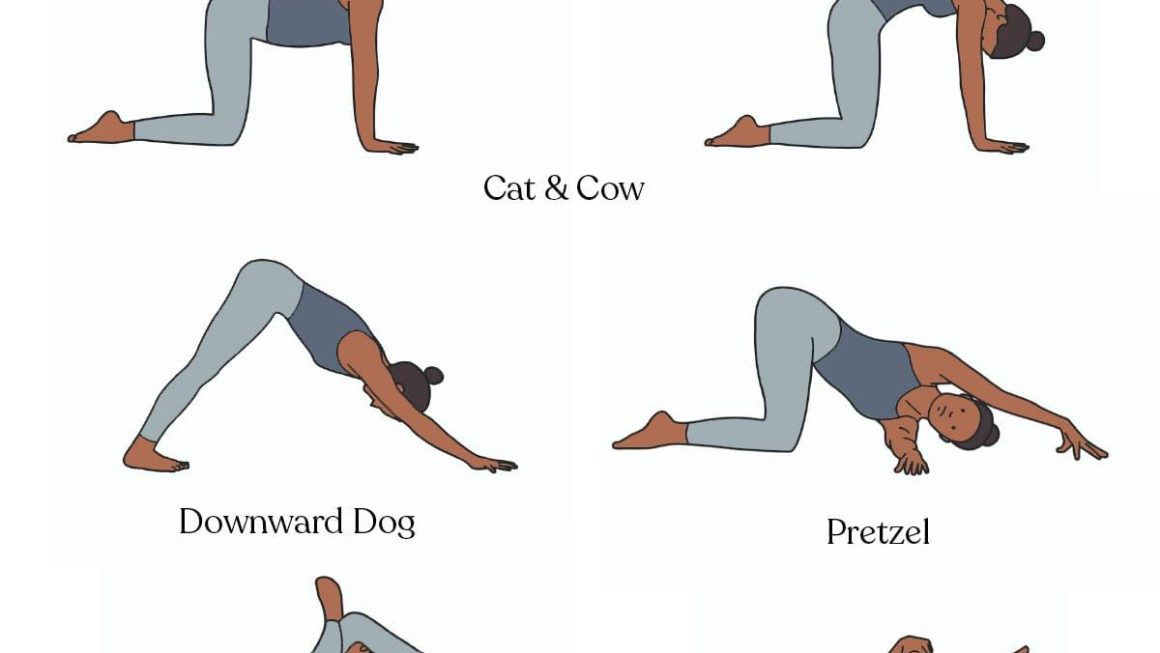
- Yoga instruction, movement, flexibility, or breathwork
- Meditation, journaling, and personal reflection
- Connection with a supportive group or wellness community
- Nature-based activities such as walking or quiet outdoor time
- Specialised emotional or mental health support
Some retreats combine several of these elements, while others focus on one discipline. If you want therapeutic or clinical support, check the qualifications of the professionals involved and confirm that the programme is appropriate for your needs. A general wellness retreat should not be assumed to provide medical or mental health treatment.
Compare retreat programmes and accommodation
Read the itinerary carefully rather than relying on the retreat name alone. Look for the number of daily sessions, the expected level of physical effort, and how much free time is included. A programme with several yoga classes, meditation sessions, workshops, and excursions may suit someone who enjoys structure. If your priority is rest, a less crowded schedule may be a better fit.
Also review the accommodation arrangements. Ask whether rooms are private or shared, whether bathrooms are en suite, and what is included with meals. If you have dietary, mobility, or sensory requirements, contact the organiser before booking. Confirm that the venue can provide suitable meals, accessible spaces, and any adaptations needed for movement sessions. For a quieter wellness experience, explore Pennsylvania meditation options that complement restorative retreats near you.
Understand retreat packages and pricing
Prices can vary considerably. A basic weekend retreat may cover accommodation, meals, and scheduled classes, while a higher-priced package may include private sessions, specialist workshops, or additional amenities. Compare packages on an like-for-like basis by checking what is included and what costs extra.
- Accommodation and the number of nights
- Meals, refreshments, and dietary alternatives
- Yoga, meditation, workshops, or guided activities
- Transport, transfers, excursions, or equipment
- Optional treatments, private consultations, or add-ons
- Booking deposits, cancellation terms, and payment deadlines
Affordable and inexpensive retreats may use simpler accommodation, self-directed activities, or fewer included services. That does not automatically make them unsuitable, but it is important to understand the trade-offs. Ask whether the organiser offers payment plans, early booking rates, reduced-cost places, or other financial options instead of assuming that a low advertised price includes everything.
Choose the right retreat style
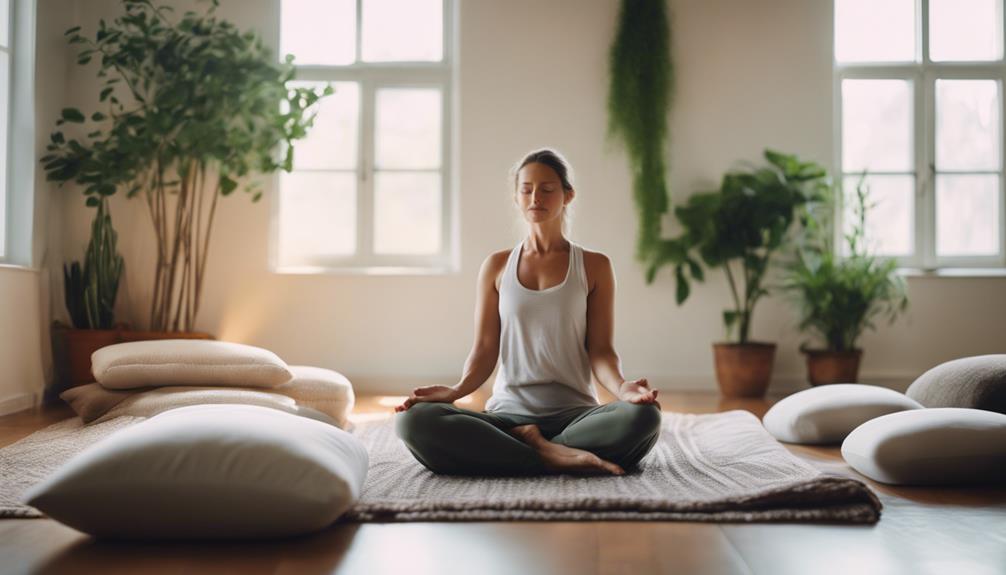
Different formats appeal to different people. A group retreat can provide shared activities and a sense of community, whereas a small-group or private workshop may allow more individual attention. Spiritual or contemplative retreats may emphasise meditation, breathwork, and reflective practices. Gentle yoga retreats can be appropriate for beginners or people seeking lower-intensity movement, while more advanced workshops may require previous experience.
There are also retreats aimed at particular groups or needs, including women’s wellness programmes, senior-friendly activities, workplace retreats, and programmes centred on emotional wellbeing. Check the description closely to make sure the tone, age range, physical expectations, and support available match your situation.
Questions to ask before booking
Reviews can help you understand how a retreat feels in practice, but they should be considered alongside clear information from the organiser. Before paying a deposit, ask:
- Who leads the sessions, and what experience or training do they have?
- Is the programme suitable for beginners?
- How large is the group?
- What happens if you need to miss a session or leave early?
- Are transport, meals, equipment, and optional activities included?
- What health, accessibility, and cancellation policies apply?
Once you have compared location, programme, cost, accommodation, and facilitator experience, the decision becomes much clearer. The right health and wellness retreat near you is not necessarily the most luxurious or most heavily scheduled. It is the one that fits your goals, comfort level, budget, and available time.