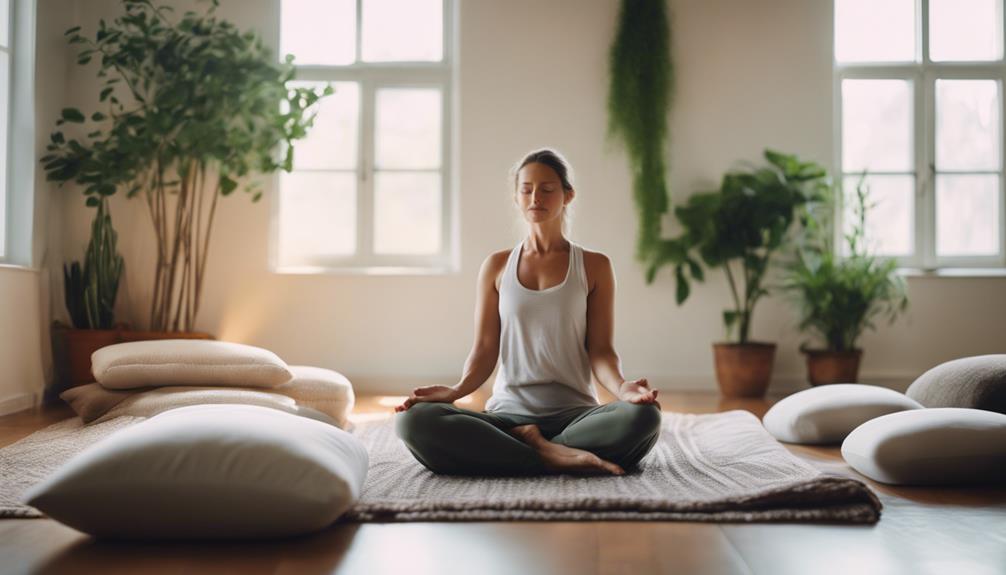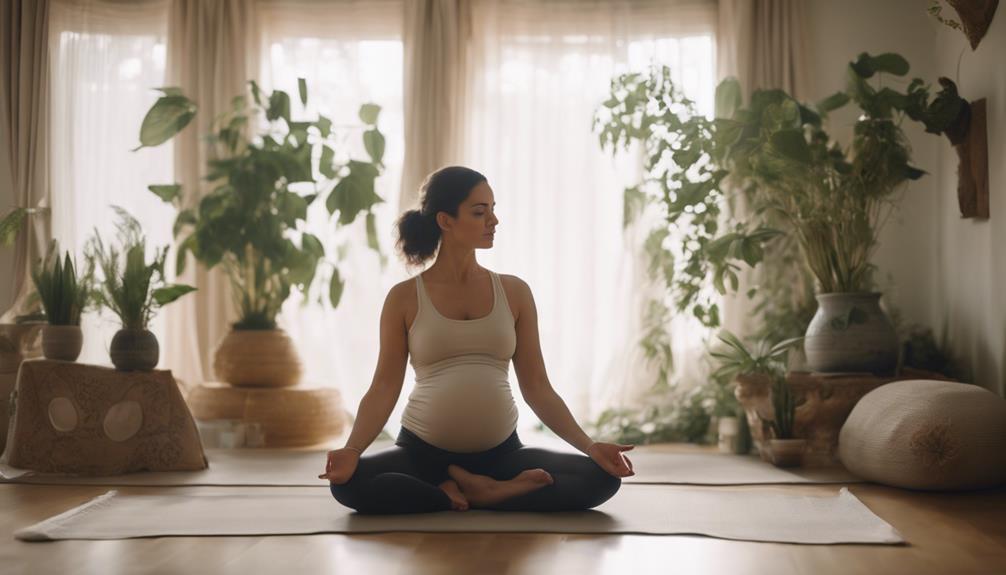
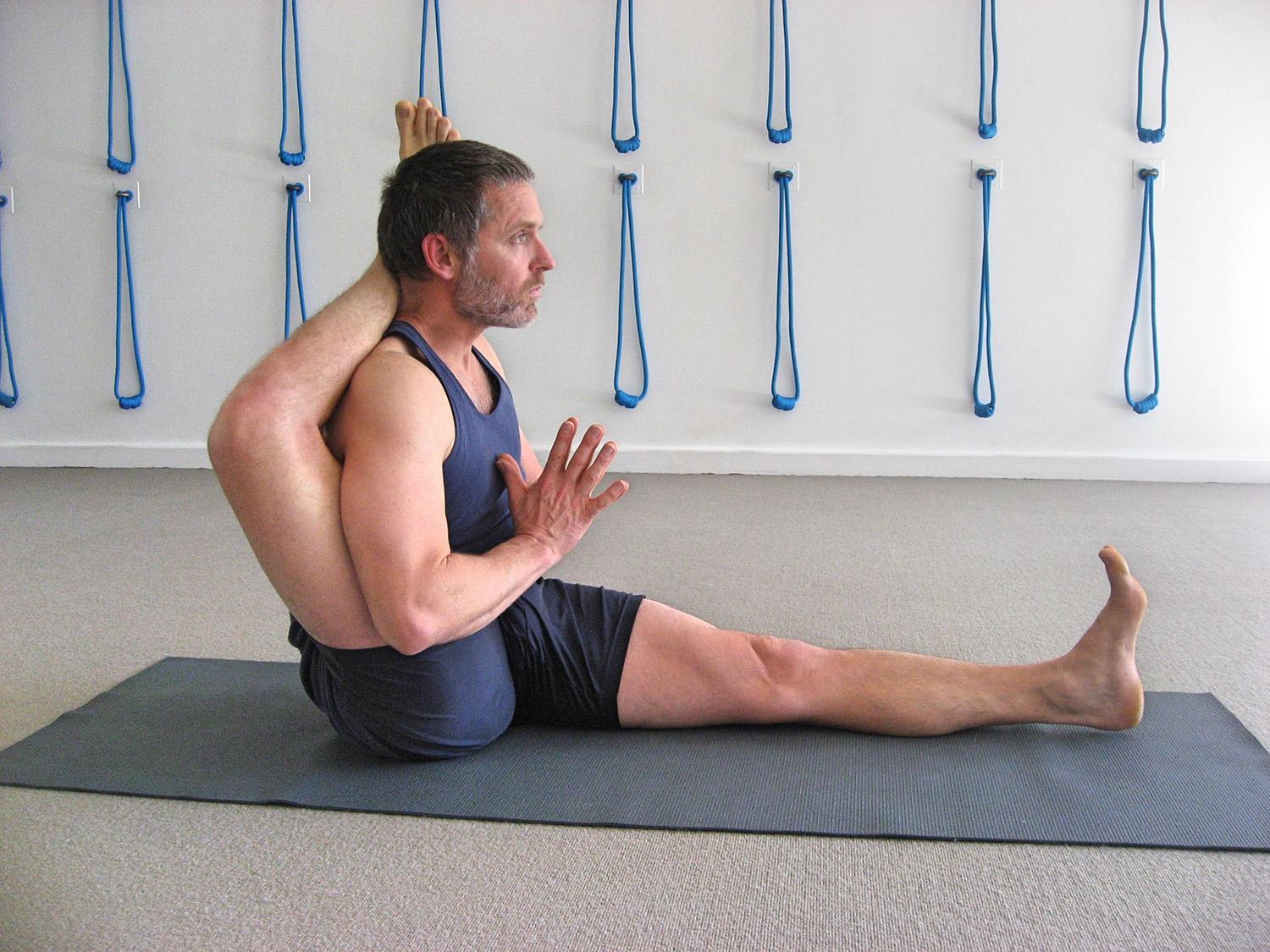
A spiritual weekend offers a focused pause from ordinary routines. Instead of trying to fit reflection, meditation, or meaningful rest into a busy schedule, you set aside a short period for intentional practice and renewal. Depending on the programme, your weekend may include yoga, guided meditation, breathwork, journaling, time in nature, or group workshops. Deepen your spiritual weekend with weekend yoga workshops that nurture reflection, movement, and community.
The value of a short retreat does not depend on having a dramatic breakthrough. A well-planned weekend can simply give you space to notice how you feel, clarify what matters, and return to daily life with a more considered approach. The most suitable retreat is one that matches your interests, experience, energy, and need for structure.
Why Choose a Spiritual Weekend?
A weekend retreat sits between a regular wellness break and a longer residential retreat. It can be a practical introduction for someone who has never attended a spiritual retreat, as well as a useful reset for someone returning to a familiar practice.
Because the time is limited, the experience is usually concentrated. Guided sessions may be balanced with quiet periods, informal conversation, rest, or personal reflection. This combination allows you to explore a theme without committing to an extended trip or taking a lengthy break from work and family responsibilities.
What to Expect from a Weekend Retreat
Every organiser has a different approach, so read the schedule before booking. A spiritual weekend may include:
- Morning yoga, stretching, or meditation
- Breathwork, visualisation, or relaxation practices
- Workshops focused on presence, intention, or self-awareness
- Journaling, silent reflection, or guided inquiry
- Group discussions or sharing circles
- Walks, restorative activities, or unstructured personal time
Some retreats follow a detailed timetable, while others leave more room for rest and choice. Meals may be simple and designed to support the retreat’s quieter pace, but this varies by venue. Check what is included, particularly if you have dietary, mobility, health, or accommodation requirements.
Choosing the Right Type of Spiritual Weekend
Start by identifying the experience you actually want rather than choosing a retreat based only on an appealing title. Consider whether you are looking for:
- A yoga-focused weekend: suitable if movement, alignment, and embodied practice are central to your intention.
- A meditation retreat: a better fit if you want to develop stillness, attention, silence, or a regular sitting practice.
- A restorative wellness break: appropriate when rest and gentle renewal matter more than an intensive schedule.
- A personal-development workshop: useful if the programme centres on reflection, communication, intention, or life transitions.
- A metaphysical or consciousness retreat: relevant if you are specifically interested in energy work, esoteric ideas, or deeper inquiry into awareness.
When searching for a spiritual weekend near you, look at local yoga studios, retreat centres, wellness venues, and event listings. Compare the facilitator’s approach, the level of participation expected, the amount of silence, and the balance between guided sessions and free time. Descriptions and testimonials can help you judge whether the atmosphere is quiet and contemplative, social and interactive, or physically demanding. Extend your spiritual weekend into year-end spiritual retreats designed for reflection, renewal, and meaningful New Year intentions.
Questions to Ask Before Booking
A few practical questions can prevent disappointment:
- What is the complete schedule, and how much personal time is available?
- Is the retreat suitable for beginners?
- What should participants bring?
- Are accommodation, meals, and materials included?
- Are there any physical, dietary, or participation requirements?
- What is the cancellation or refund policy?
- Who is leading the sessions, and what style of guidance do they offer?
If a programme promises guaranteed transformation or pressures you to disclose more than you wish, pause before committing. A supportive retreat should make its expectations clear and leave room for personal boundaries.
Preparing for the Weekend
Preparation does not need to be elaborate. Decide what you would like to explore, while keeping that intention flexible. You might want to rest, reconnect with a meditation practice, process a period of change, or spend time away from digital distractions.
Bring comfortable clothing, a journal if writing helps you reflect, and any personal items needed for your wellbeing. Arriving tired or over-scheduled can make it harder to settle, so allow enough time to travel and transition into the retreat. You do not need to approach the weekend with a demand for a life-changing result. Curiosity and willingness to observe your experience are often more useful than fixed expectations.
Taking the Experience Home
The retreat continues through integration. Before leaving, note one or two practices that feel realistic to maintain, such as a short meditation, weekly yoga class, regular journaling, or a quieter start to the day. Avoid trying to change everything at once. A small routine that fits your real schedule is more useful than an ambitious plan that quickly becomes another source of pressure.
Whether your interest is yoga, meditation, breathwork, or broader spiritual inquiry, a weekend away can create valuable space for reflection. Choose carefully, prepare simply, and allow the experience to support steady change rather than demanding immediate transformation.