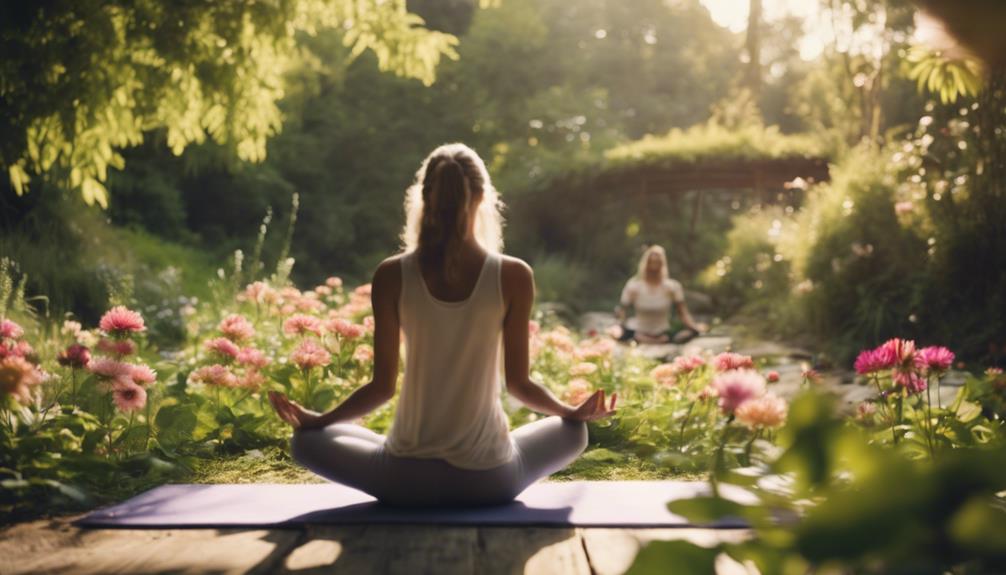
A meditation retreat in Pennsylvania can create the space to step away from daily demands and give sustained attention to your inner life. Instead of fitting a few minutes of practice between work, errands, and messages, a retreat offers a dedicated setting for meditation, reflection, and learning. Programs may take place in quiet rural areas, retreat centers, lodges, or other spaces designed to support calm and focused practice. Extend your Pennsylvania meditation retreat experience by exploring upcoming yoga workshops and community wellness events.
Retreats can be suitable for people who are completely new to meditation as well as those who already maintain a regular practice. The best choice depends on your goals, preferred tradition, available time, and comfort with silence, group schedules, and residential accommodations.
What a Pennsylvania Meditation Retreat May Include
Retreat formats vary considerably. A short program might last a single day or weekend, while residential retreats may continue for several days or a week. Some are highly structured, with a schedule that begins early and alternates sitting meditation, walking meditation, talks, meals, and periods of rest. Others allow more personal time and offer a lighter introduction to contemplative practice.
A typical retreat may include:
- Guided and silent sitting meditation
- Walking meditation or mindful movement
- Instruction in breath awareness, compassion practice, or mindfulness
- Talks that explain the retreat’s meditation method or tradition
- Group discussions, question-and-answer sessions, or private meetings with a teacher
- Periods of silence and guidelines for phone use, meals, and shared spaces
Before registering, ask how much instruction beginners receive, how many hours of practice are scheduled each day, and whether participants are expected to remain silent for part or all of the program.
Exploring Buddhist Retreats in Pennsylvania
People looking for Buddhist retreats in Pennsylvania may find programs influenced by different traditions and teaching lineages. Some emphasize insight meditation, while others focus on Zen practice, chanting, ethical reflection, or Buddhist teachings. The atmosphere and daily rhythm can differ from one retreat to another, even when the programs use similar language.
When comparing a Buddhist retreat, consider the teacher’s experience, the program’s stated tradition, and the balance between meditation and instruction. It is also useful to learn whether the retreat welcomes people with no previous Buddhist background. A clear description of the schedule, expectations, fees, accommodations, and opportunities to speak with a teacher can help you decide whether the setting is appropriate.
How Meditation Retreats Connect with Yoga Workshops and Events
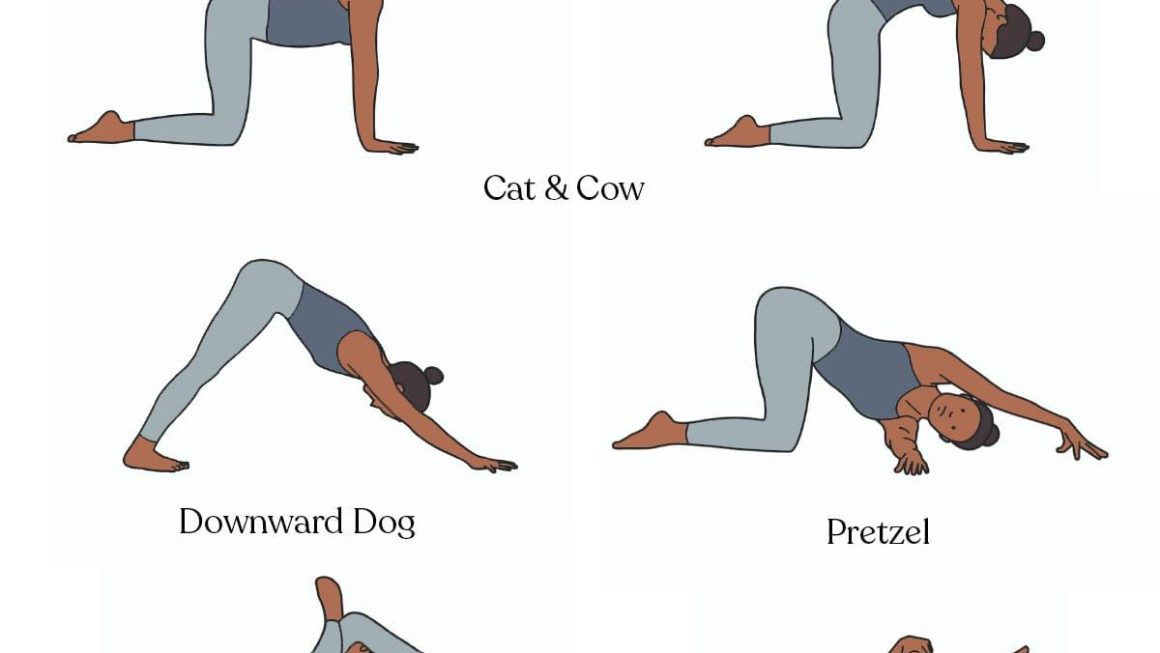
Meditation retreats and yoga workshops often complement one another. Gentle yoga or mindful movement can help participants become more aware of posture, breath, tension, and physical sensations before sitting meditation. Some events are designed around this combination, including movement classes, breathing practices, and dedicated periods of stillness.
A yoga-centered retreat may be a good option if you prefer learning through both physical and contemplative practices. However, yoga classes can vary from restorative and accessible to physically demanding. Check the schedule and class descriptions so you know whether the movement sessions match your experience, mobility, and personal goals. Those seeking quiet Pennsylvania meditation experiences can explore solo retreat options in nearby destinations.
Questions to Ask Before Booking
A retreat’s setting matters, but its structure and expectations matter just as much. Before making a reservation, look for practical information about:
- Program length and the amount of meditation scheduled each day
- Accommodation, bathrooms, meals, and dietary options
- Accessibility and available support for health or mobility needs
- Teacher qualifications and the meditation tradition being taught
- Silence requirements, technology policies, and emergency contact procedures
- Refund, cancellation, payment-plan, scholarship, or sliding-scale policies
If you have a medical condition, significant emotional concerns, or dietary restrictions, contact the organizers before attending. A retreat can be demanding, particularly when it involves long periods of sitting, limited conversation, or a tightly scheduled day.
Preparing for Your First Retreat
A weekend program can provide a manageable introduction for a first-time participant. Prepare by setting realistic expectations: meditation may bring calm and clarity, but it can also make restlessness, fatigue, or difficult emotions more noticeable. You do not need to arrive with an empty mind or an advanced practice. Openness, patience, and a willingness to follow the schedule are usually more useful than trying to achieve a particular experience.
Pack comfortable clothing, layers for changing temperatures, any required medication, and personal items that support your comfort. If phone use will be limited, notify family or colleagues in advance and arrange how urgent matters will be handled. Ask whether cushions, benches, blankets, or yoga equipment are supplied.
Bringing Retreat Practice into Daily Life
The value of a retreat often becomes clearer after returning home. Rather than attempting to recreate the entire retreat schedule, choose one or two practices that fit your routine. This might mean sitting for ten minutes in the morning, taking a mindful walk, using a brief breathing pause between tasks, or attending a regular local group.
A quiet place to practice, a simple journal, and a consistent time can help maintain momentum. The goal is not to preserve a retreat atmosphere indefinitely, but to carry its lessons about attention and awareness into ordinary activities.
Choosing a Pennsylvania meditation retreat is ultimately a matter of matching your intentions with the program’s teacher, tradition, schedule, setting, and practical requirements. Careful preparation can make the experience more comfortable and help you find a retreat that supports meaningful, sustainable practice.