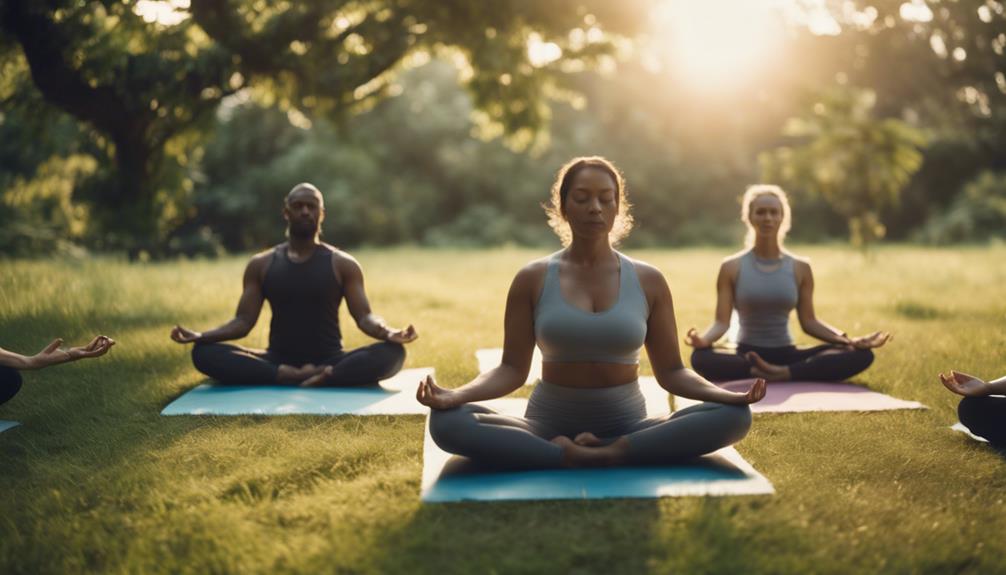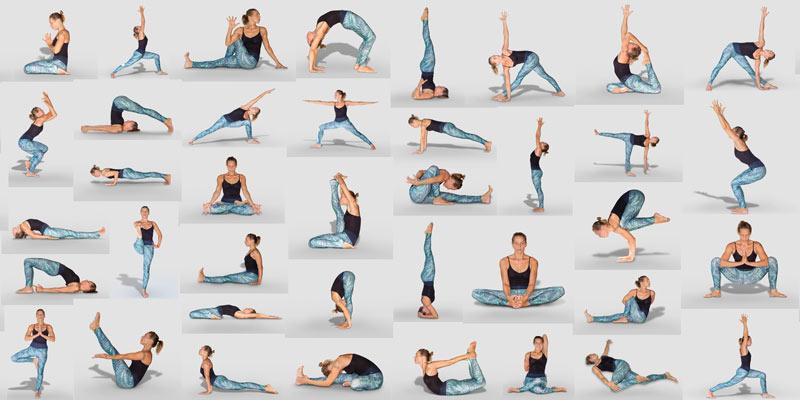
A well-planned Iyengar yoga sequence is more than a list of poses. It is a deliberate learning pathway that develops alignment, strength, mobility, balance, and awareness in a logical order. Each posture prepares students for the next, while props and carefully chosen modifications make the work more accessible and precise. This Iyengar sequence supports instructor-focused sequencing, helping teachers adapt alignment cues and progressions for every student.
Whether you are planning one class or a longer series, begin with the needs of the students in front of you. A useful sequence has a clear purpose, allows enough time for observation and adjustment, and balances challenge with recovery.
Start with a clear class objective
Before selecting poses, decide what students should learn or experience. The focus might be standing alignment, hip mobility, backbending preparation, inversions, balance, or foundational actions in the spine and shoulders. A specific objective helps you avoid an unfocused collection of postures.
For a single class, choose a manageable theme and select poses that support it. In a multi-class Iyengar yoga series, let the objective develop over time. Earlier sessions can establish basic actions and body awareness, while later classes introduce more demanding variations when students are prepared for them.
Use progression to prepare the body and mind
Iyengar sequencing generally favours intentional transitions and sustained attention rather than rapid movement. A progression might move from accessible actions to more complex ones, allowing students to understand the alignment before adding intensity or difficulty.
A class structure can include:
- Preparation: Establish awareness of posture, breath, and the key actions required by the theme.
- Foundation: Use simpler poses to develop stability, range of motion, and alignment.
- Primary work: Progress toward the main group of poses or the class objective.
- Peak work: Offer a challenging posture or variation only when students have the necessary preparation.
- Integration: Include quieter or restorative positions so students can absorb the effects of practice.
The most demanding pose does not need to be an advanced variation. A well-chosen foundational posture can be the peak of a class when the goal is to refine technique or build confidence.
Make props part of the teaching plan
Blocks, belts, chairs, blankets, and other supports can help students experience the essential action of a pose without forcing range or compromising alignment. Props should not be added as an afterthought; decide in advance how they will serve the class objective.
For example, a block may provide a stable point of contact in a standing pose, while a folded blanket can alter the height of the pelvis and make a seated or forward-folding position more accessible. A chair or other support may help a student explore an action with less strain. The purpose is not simply to make a pose easier, but to create a clearer and safer learning experience.
Teach alignment with precise, usable cues
Effective instruction directs attention to observable actions. Give students enough information to understand what to do, then allow time for them to practise and notice the result. Useful cues may address the feet, legs, pelvis, spine, shoulders, hands, gaze, or the direction of movement into and out of a pose. Explore Iyengar-based training through a Minneapolis program designed for aspiring yoga teachers.
Keep instructions concise and build them in stages. Too many corrections at once can make students lose the main objective. Observe first, then offer the cue or prop that is most likely to improve the posture. Hands-on adjustments should be appropriate, respectful, and offered with consent, while verbal guidance and demonstrations remain important alternatives.
Adapt the sequence to the students
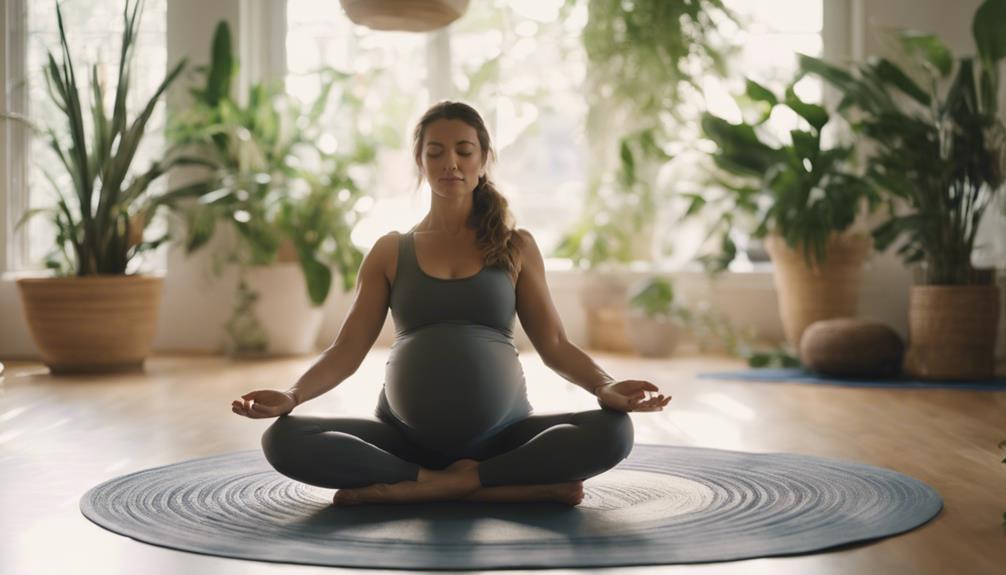
The same theme may require different sequences for beginners, experienced practitioners, older adults, prenatal students, or people managing injuries and other limitations. Adaptation may involve changing the order of poses, reducing intensity, adding support, shortening holds, or choosing a different peak posture.
Pay attention to how students enter and leave each pose, not only to the final shape. Joint-friendly transitions, additional stability, and simpler variations may be more valuable than completing the planned posture. When a student has a specific health concern or injury, keep the practice within an appropriate scope and encourage professional guidance when needed.
Manage pacing and cumulative effort
Students need time to establish alignment, make adjustments, and experience the effects of a posture. Build pauses into the sequence rather than moving immediately from one demanding pose to another. The intensity of a class should also be considered alongside previous and upcoming sessions.
In a longer series, vary the demands placed on the body. Balance stronger work with quieter practice, and avoid repeating high-intensity emphasis without sufficient recovery. This approach supports steady learning while reducing unnecessary fatigue.
Review and refine each sequence
After class, note what students were able to do, where they needed support, and which instructions produced useful changes. Observe alignment, breathing, balance, comfort, and perceived effort. Student questions and responses can reveal whether the progression was clear or whether a preparatory step was missing.
Use these observations to revise the next class. A thoughtful Iyengar sequence is not fixed: it evolves as students develop, as their needs become clearer, and as the teacher improves the order of poses, use of props, pacing, and cues. The result is a practice that remains structured while responding intelligently to the people who are learning it.