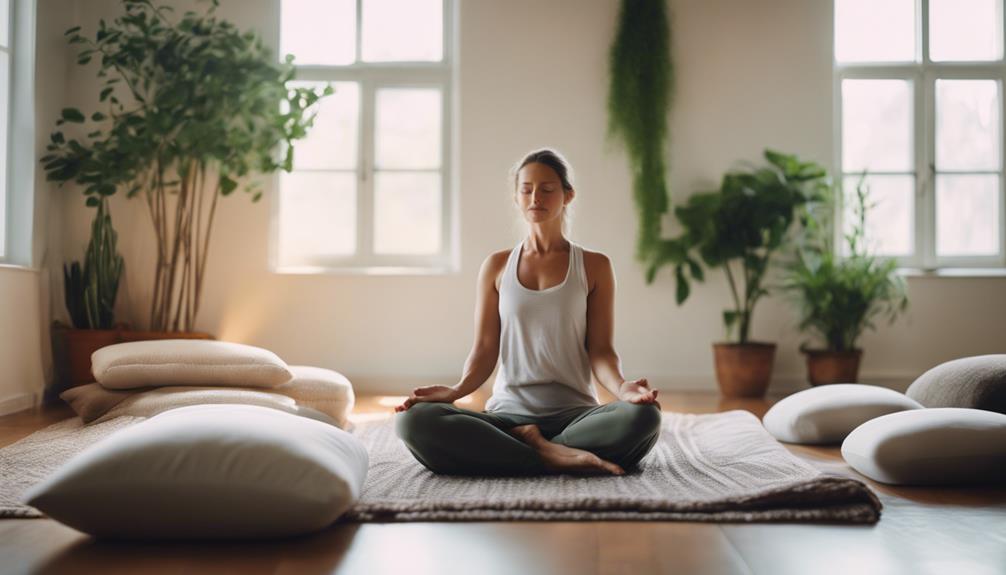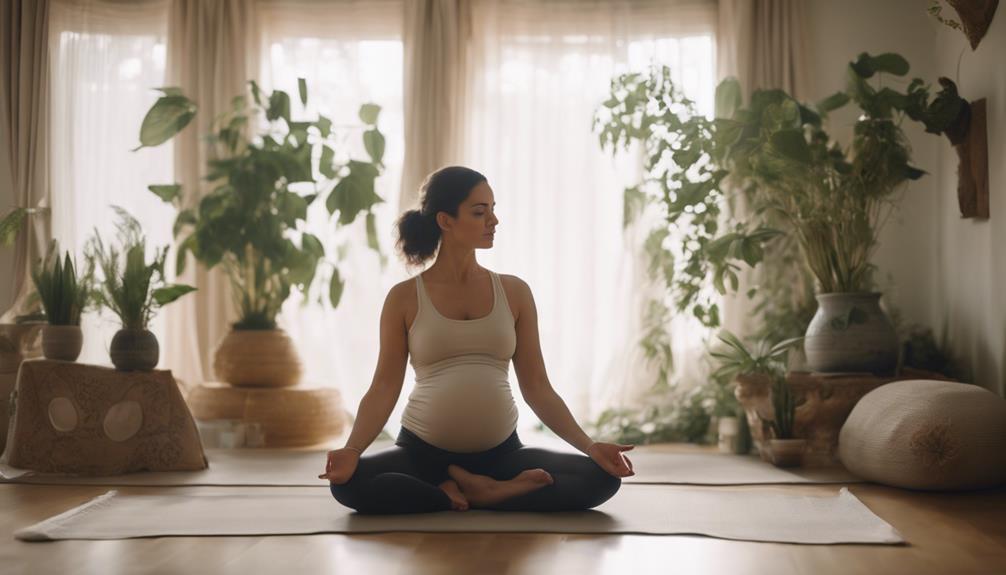
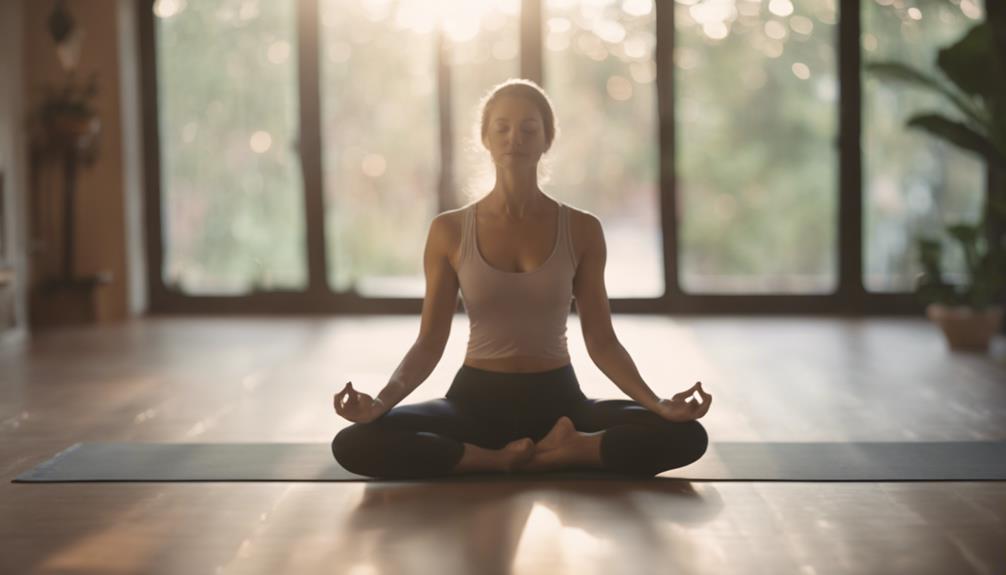
A yoga and meditation retreat in the USA can offer a welcome change of pace from work, screens, and daily responsibilities. With dedicated time for movement, breathwork, meditation, and rest, a retreat gives you space to strengthen an existing practice or explore one for the first time. Those extending their retreat experience can explore upcoming yoga workshops for continued practice, community, and mindful learning.
Retreats vary widely. Some are simple weekend gatherings focused on yoga and quiet reflection, while others provide weeklong programs with workshops, wellness treatments, nature activities, and more structured schedules. The best choice depends on what you hope to gain, how much time you have, and the type of environment in which you feel most comfortable.
What happens at a yoga meditation retreat?
Most retreats combine several forms of practice and intentional downtime. A typical day may include a morning yoga class, guided meditation, breathwork, nourishing meals, and an evening session for reflection or restorative movement. Some programs also set aside periods for silence, journaling, walking, or independent practice.
The atmosphere can range from highly scheduled and energetic to quiet and spacious. Before booking, review the sample timetable and consider whether it matches your needs. A retreat built around vigorous asana practice may not suit someone seeking rest, while a silent or contemplative program may feel too restrained for someone who wants extensive instruction and social connection.
Common retreat settings and amenities
Yoga and meditation retreats are held in many types of locations, including rural properties, coastal venues, dedicated retreat centers, meditation hotels, and yoga and spa resorts. A natural setting may encourage walking and solitude, while a more developed venue may offer comfortable rooms, treatment areas, and additional recreational facilities.
Possible amenities include:
- A meditation hall or quiet practice room
- Indoor and outdoor spaces for yoga
- Private, shared, or hotel-style accommodation
- Vegetarian or wellness-focused meals
- Gardens, trails, or other spaces for quiet time
- Massage, spa treatments, or other optional services
Do not assume that every feature is included in the advertised price. Ask whether meals, transportation, classes, treatments, and equipment are covered or charged separately.
Choosing a program that fits your goals
Start by identifying the main reason you want to attend. You may be looking for a restorative break, more consistent meditation, deeper study of yoga, or time away from a stressful routine. Some retreats focus on mindfulness and meditation, while others emphasize alignment, breathwork, restorative yoga, Ayurveda, sound-based practices, or personal reflection. Explore women-focused retreat options that combine yoga, meditation, community, and restorative experiences across the United States.
If emotional wellbeing is a central concern, examine the program carefully rather than relying only on terms such as “healing” or “holistic.” Look for clear descriptions of the sessions, instructor qualifications, and the kind of support available. Ask whether the program is suitable for your circumstances and whether individual consultations or therapeutic services are provided by appropriately qualified professionals. A retreat should complement your wider wellbeing plan, not replace necessary medical or mental health care.
Location, length, and group size
Location affects both the practical cost and the character of the experience. A nearby meditation retreat or weekend yoga program may be a sensible introduction, especially if you are new to residential retreats. A longer stay can provide more time to settle into a routine, but it also requires greater planning and a stronger commitment to the schedule.
Consider travel time, local transportation, weather, accessibility, and the type of accommodation available. It is also useful to ask about group size. A smaller group may offer a quieter atmosphere or more personal attention, while a larger gathering may provide broader community and more varied activities.
Questions to ask before booking
- What experience level is the retreat designed for?
- How much yoga, meditation, and free time is scheduled each day?
- Are meals, lodging, transportation, and activities included?
- What are the room arrangements and cancellation terms?
- Who leads the sessions, and what training or experience do they have?
- Is participation required for every activity?
- Can the venue accommodate dietary, mobility, or other practical needs?
- Are spa treatments, private sessions, or workshops additional costs?
Read the full description and recent participant feedback, but remember that individual experiences differ. If the website leaves important details unclear, contact the retreat center directly before paying a deposit.
Preparing for the retreat
Once you have chosen a program, review the packing list and arrival instructions. Bring comfortable clothing, any personal meditation supplies you use, suitable footwear, and items that will help you rest between sessions. It can also help to reduce commitments before departure so you are not trying to manage unfinished tasks throughout the retreat.
Approach the experience with realistic expectations. A retreat may provide useful practices and a temporary reset, but lasting benefits usually depend on how you continue those practices afterward. Choose a program that feels supportive, clarify your intentions, and leave room for the experience to unfold without demanding a particular result.