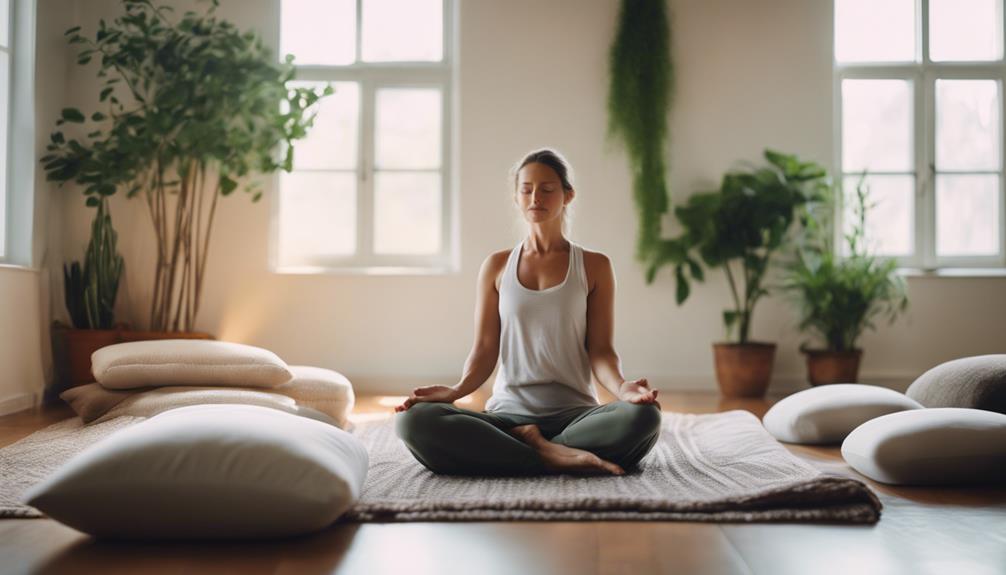
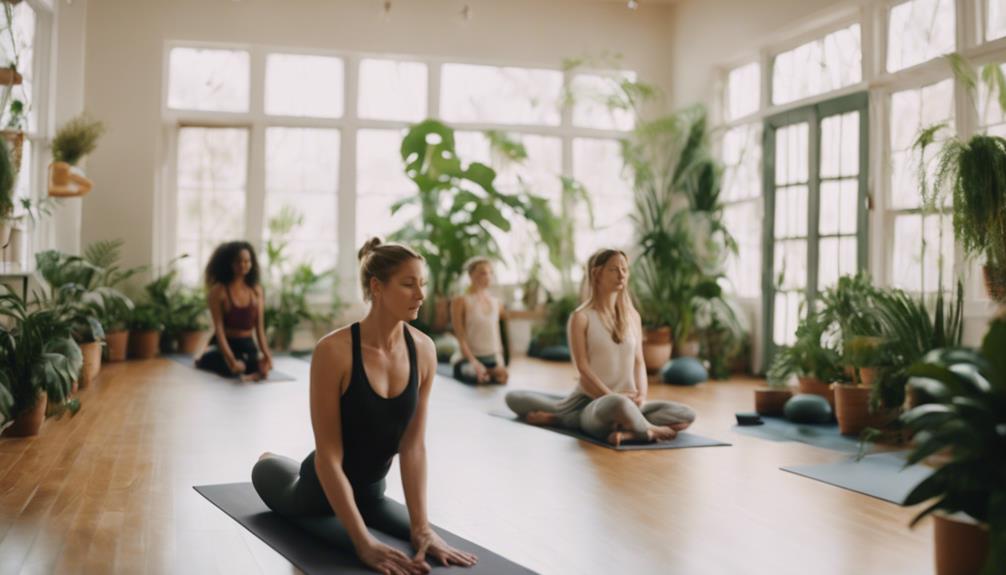
The best retreats for women are not defined by a single destination or schedule. The right retreat is one that matches what you need now—rest, movement, reflection, healing, spiritual practice, or meaningful connection with other women. Some experiences are designed as quiet weekend escapes, while others offer structured wellness programs, yoga workshops, spa treatments, or deeper personal-development work. Women seeking restorative retreats can deepen their experience through women’s yoga gatherings, workshops, and mindful community events.
Before booking, consider the kind of support you want, how much structure feels comfortable, and whether the retreat’s approach suits your physical and emotional needs. A thoughtful choice can make it easier to relax fully and return home with practical habits to carry into everyday life.
Why choose a women-only retreat?
Women-only retreats can create a setting where participants feel more at ease discussing personal experiences, health concerns, relationships, work, caregiving, and other pressures. The shared format may also make it easier to form connections, particularly for people travelling alone or attending a retreat for the first time.
Some women value the privacy and solidarity of a female-focused group, while others are mainly interested in a particular teacher, location, or program. A women-only setting is not automatically the best fit for everyone, so review the retreat’s culture and stated purpose rather than relying on the label alone.
Types of retreats for women
Retreats vary considerably in their aims and intensity. Common formats include:
- Wellness retreats: These may combine movement, nutritious meals, relaxation, mindfulness, and practical sessions on stress management or self-care.
- Yoga retreats: Programs can include daily asana practice, meditation, breathwork, restorative classes, and workshops for different experience levels.
- Healing or therapeutic retreats: These may focus on emotional recovery, guided reflection, support groups, or trauma-aware practices. Check carefully what kind of professional support is actually provided.
- Spiritual retreats: These may involve meditation, silence, chanting, prayer, nature-based reflection, or other forms of faith-based or personal contemplation.
- Spa and relaxation retreats: These place greater emphasis on massage, beauty treatments, rest, and unhurried downtime.
- Weekend retreats: A shorter format can provide a reset without requiring a long absence from work, family, or other responsibilities.
Some programs combine several of these elements. An all-inclusive package may cover accommodation, meals, classes, and selected treatments, while other retreats charge separately for workshops, activities, or spa services.
Yoga workshops and events
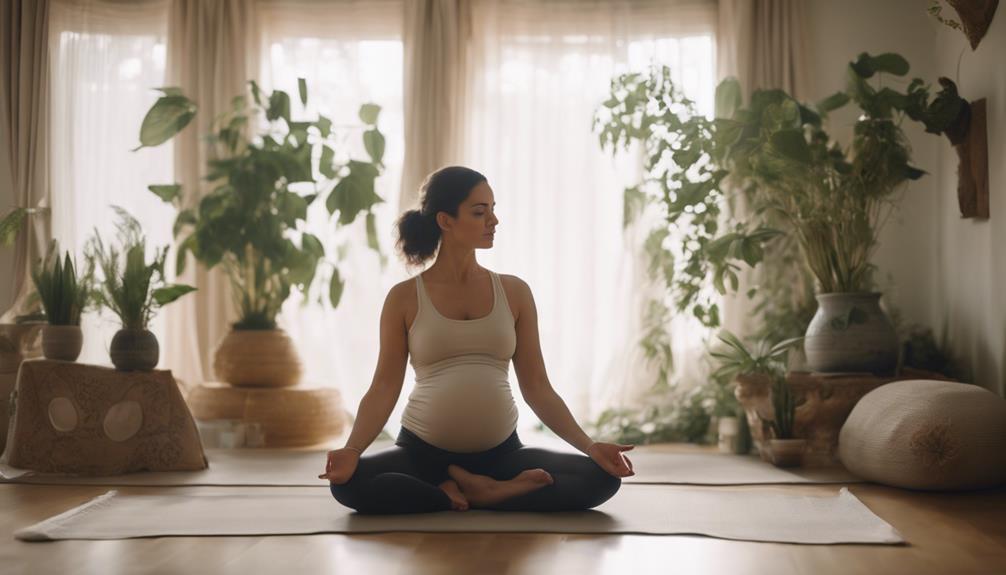
Yoga is often a central part of women’s wellness retreats, but the teaching style can differ greatly. A schedule might include vigorous morning classes, restorative yoga, yin, meditation, breathwork, or sessions focused on relaxation and body awareness. If you are pregnant, recently postpartum, managing an injury, or living with a health condition, ask whether the instructors can offer appropriate modifications and whether you should consult a qualified healthcare professional before participating.
Look beyond the word “yoga” in the itinerary. Find out how many classes are offered, whether attendance is optional, what level of experience is expected, and how much time is reserved for rest. A retreat with several demanding sessions may not suit someone seeking a quiet reset, while a highly restorative program may disappoint someone hoping for intensive practice. For women seeking restorative experiences, a mindful weekend retreat offers space to reconnect, reflect, and recharge.
How to compare the best retreats for women
Start by identifying your main intention. Are you hoping to sleep, move more, spend time alone, meet new people, process a difficult period, or establish a regular meditation practice? Your answer can help narrow the options.
Then review the practical details and ask questions before paying a deposit:
- Who leads the retreat, and what training or experience do they have?
- How large is the group, and are sharing circles or group discussions compulsory?
- Is the daily schedule highly structured, or is there free time?
- What is included in the price, and which costs—such as treatments, transport, taxes, or gratuities—are extra?
- Are private rooms, accessible facilities, and suitable dietary choices available?
- What happens if you need to cancel or leave early?
- Does the program clearly explain its approach to emotional support, privacy, and participant boundaries?
Read testimonials carefully, but treat them as individual experiences rather than guarantees. If you are travelling alone, look for a group size and format that make social connection possible without making every activity communal.
Budgeting and what to pack
Compare the full cost rather than the advertised starting price. Accommodation, meals, travel, equipment, treatments, and optional excursions can make a significant difference. A nearby weekend retreat may offer better value than a distant destination once transfers and time away are included.
Pack comfortable clothing in layers, suitable exercise wear, a reusable water bottle, toiletries, and any medication or personal wellness items you normally use. For meditation sessions, you may prefer to bring a cushion or other support, although many venues provide basic equipment. Check the retreat’s packing list before travelling, especially if outdoor activities or quiet periods are part of the program.
Taking the experience home
A retreat is more useful when its benefits can continue after you leave. Before returning, choose one or two realistic practices to maintain—such as a short yoga sequence, regular walks, mindful meals, journaling, or a consistent bedtime. If the retreat offers recordings, follow-up materials, or a participant community, decide how you will use them without creating another demanding obligation.
The best retreats for women are ultimately the ones that respect your goals, limits, budget, and preferred way of connecting. Whether you choose a yoga weekend, a meditation retreat, a spiritual program, or a restorative spa escape, careful preparation can help you find an experience that feels both supportive and sustainable.