Stress can show up as tight muscles, restless thoughts, shallow breathing, or a feeling that you cannot slow down. A few practical exercises can help you pause and reconnect with your body. The most useful approach is usually a flexible one: choose a short technique when tension rises, and practise longer exercises regularly to support relaxation over time.
Start with slow, steady breathing
Breathing exercises are easy to do almost anywhere and provide a simple starting point for stress relief. Sit comfortably, lower your shoulders, and breathe gently through your nose if that feels comfortable. Let your abdomen expand as you inhale, then allow the exhale to be slightly longer and unforced.
Try this five-minute pattern:
- Inhale slowly for a count of four.
- Pause briefly without straining.
- Exhale for a count of six.
- Repeat at a comfortable pace.
If counting makes you feel tense, skip the numbers and focus on making each breath smooth. This practice can fit into a work break, a quiet morning, or the period before sleep. Never force deep breaths; return to normal breathing if you feel light-headed or uncomfortable.
Use gentle movement to release tension
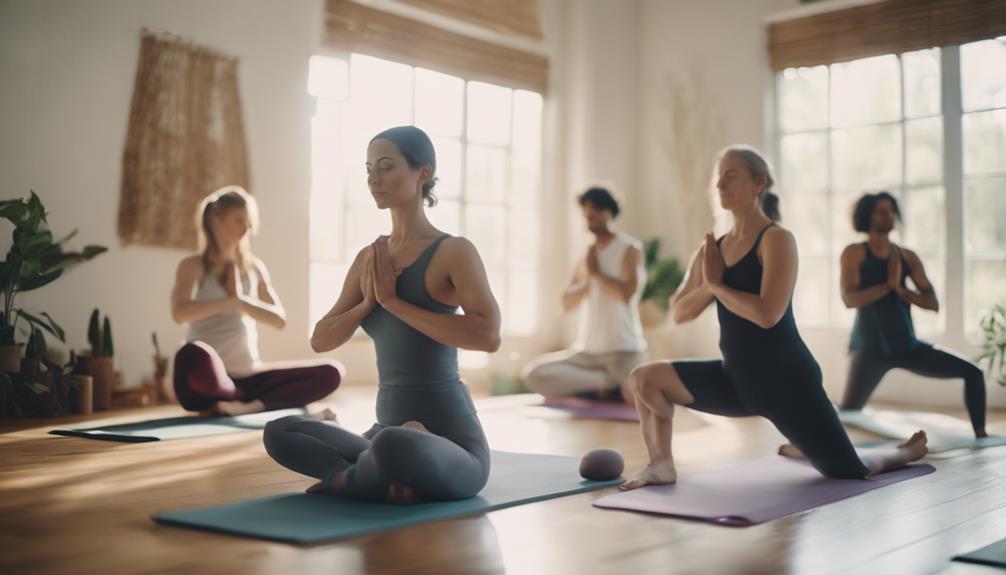
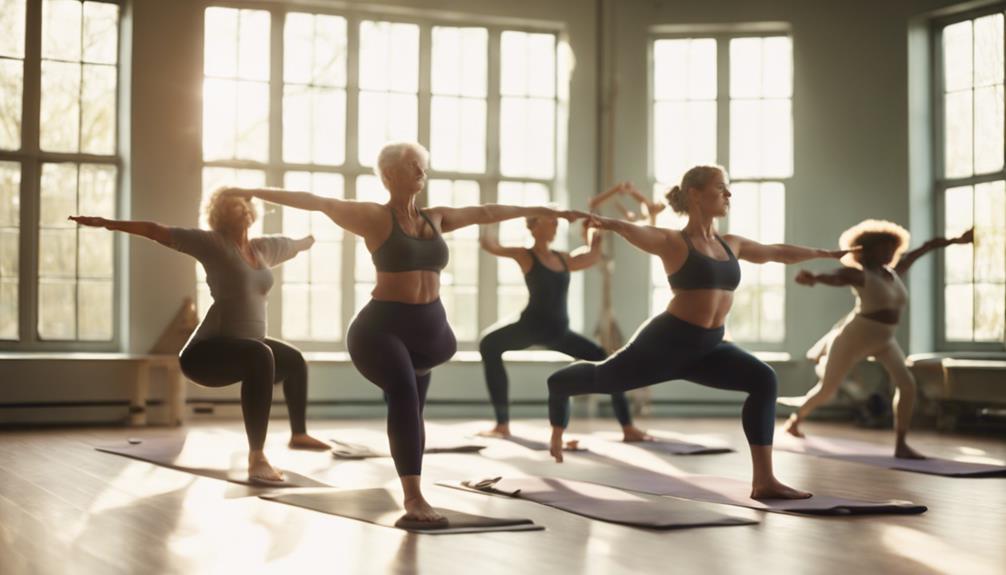
Stress is often accompanied by stiffness in the neck, shoulders, back, and hips. Slow movement can help you notice and soften that tension without turning relaxation into a strenuous workout. Move within a comfortable range and coordinate each movement with an easy breath.
A short grounding sequence
- Shoulder rolls: Lift the shoulders gently, draw them back, and let them drop. Repeat several times.
- Cat-cow movement: On hands and knees, alternate between a gently rounded spine and a softly extended spine.
- Child’s pose: Lower your hips toward your heels and rest your upper body forward, using a cushion if needed.
- Standing forward fold: Bend the knees and let the upper body relax toward the legs. Do not pull on the neck.
- Legs-up-the-wall: Lie near a wall and rest your legs against it, or place your lower legs on a chair.
Hold each position only as long as it feels comfortable. A 10- to 15-minute sequence with pauses for breathing can be enough to create a transition between a demanding part of the day and a quieter one.
Try progressive muscle relaxation
Progressive muscle relaxation involves gently tensing and then releasing different muscle groups. It can make the difference between “I feel stressed” and “I notice that my jaw, hands, or shoulders are tense.” Lie down or sit with your feet supported.
Begin with your feet and move gradually upward. Gently tighten one area for a few seconds, without causing pain, then release it and notice the contrast. Continue with the calves, thighs, abdomen, hands, arms, shoulders, jaw, and forehead. Keep your breathing slow and leave out any area that is injured or uncomfortable.
Calm a busy mind with mindfulness
Mindfulness does not require you to empty your mind. Instead, it involves noticing what is happening without immediately following every thought. Set a timer for two to five minutes and focus on one ordinary experience, such as the sensation of your feet on the floor or the movement of your breath.
When your attention wanders, silently name what you notice: “thinking,” “planning,” “hearing,” or “worrying.” Then return to your chosen point of focus. This gentle return is the exercise; there is no need to judge yourself for becoming distracted.
Guided imagery
Another option is to picture a peaceful, familiar setting. Imagine its colours, sounds, textures, and temperature. Keep the image simple and return to it whenever your attention moves toward stressful thoughts. If visualisation feels difficult, focus instead on a comforting sound, texture, or repeated phrase.
Build a routine you can maintain
Relaxation practices are easier to continue when they are short and attached to existing parts of your day. You might use this basic structure:
- Morning: five minutes of steady breathing.
- Midday: shoulder rolls, a brief walk, or a few gentle stretches.
- Evening: progressive muscle relaxation or a body scan before bed.
On a particularly stressful day, choose the smallest useful version rather than abandoning the routine. Two calm minutes can be a valid practice. Keep a short list of techniques that work for you, such as paced breathing, touching a textured object, or placing both feet firmly on the floor.
Choosing the right exercise
Use breathing or grounding when you need a quick pause. Choose gentle yoga or stretching when stress feels physical. Progressive muscle relaxation can suit restlessness or widespread muscle tension, while mindfulness and imagery may help when worry and rumination take over.
These exercises are tools, not a substitute for professional support. If anxiety, panic, or stress is severe, persistent, or interfering with daily life, consider speaking with a qualified health professional. Stop any exercise that causes pain, dizziness, or increased distress, and return to a comfortable activity such as normal breathing or sitting with your feet supported.