Resting yoga positions offer a simple way to pause, soften physical tension, and bring attention back to the breath. Unlike an active yoga session, a restorative practice does not focus on strength, flexibility, or achieving a particular shape. The aim is to create enough comfort and support that the body can settle without effort.
These gentle positions can be useful at the end of the day, after strenuous activity, during a stressful afternoon, or whenever you need a quiet transition between tasks. A few minutes may be enough to feel more grounded, while a longer sequence can become part of a relaxing bedtime routine.
What makes a yoga position restful?
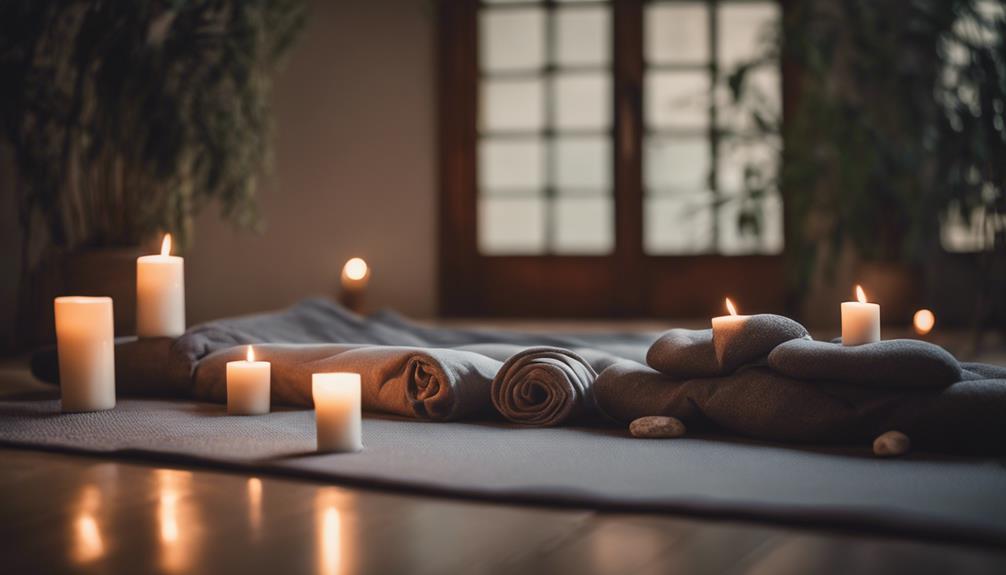
A resting position is usually slow, supported, and easy to maintain. The body should not need to work hard to stay in the pose, and breathing should remain natural rather than strained. Blankets, pillows, bolsters, and a wall can all make a position more comfortable.
Restful yoga is less about how deeply you stretch and more about how steadily you can release unnecessary effort. If a pose creates sharp pain, numbness, or persistent discomfort, come out of it and adjust your setup. Rest should feel receptive, not forced.
Gentle resting yoga positions to try
Supported savasana
Lie on your back with your arms resting comfortably beside you and your legs relaxed. Place a folded blanket or bolster beneath your knees if your lower back feels tense. You can also cover yourself with a blanket for warmth. Let the feet fall naturally outward, soften the jaw, and notice the movement of the breath.
Stay for five to fifteen minutes, or for as long as the position remains comfortable. If lying flat does not suit you, rest on your side with a pillow between your knees.
Legs up the wall
Sit beside a wall, turn onto your side, and gently swing your legs upward as you lower your back to the floor. Keep the hips a comfortable distance from the wall rather than trying to create a perfect right angle. A folded blanket beneath the hips is optional, not essential.
Rest your arms wherever they feel relaxed and remain for several minutes. This position can be especially soothing after spending a long time standing or walking. Exit slowly by bending the knees, turning onto your side, and pausing before sitting up.
Supported child’s pose
Kneel with the knees together or comfortably apart, then fold forward over a bolster, stacked pillows, or cushions. Turn your head to one side and change sides halfway through if needed. The support should carry most of the weight of your torso so that the back and shoulders can relax.
For a chair-based variation, sit with your feet supported and rest your forearms and head on a table or cushion. This can provide a similar feeling of turning inward without kneeling on the floor.
Reclined bound angle pose
Lie back with the soles of the feet together and the knees gently open. Place cushions beneath the outer thighs so the legs are fully supported. If the hips or inner thighs feel pulled, bring the feet farther away from the pelvis or choose a different position.
Keep the arms at your sides or rest your hands on your abdomen. Rather than pushing the knees toward the floor, allow the pose to remain passive and comfortable.
Gentle supine twist
Lie on your back with the knees bent and feet on the floor. Let both knees move slowly to one side while keeping the shoulders as relaxed as possible. A pillow beneath or between the knees can reduce strain. Keep the twist small and easy, then return to center before changing sides.
A short sequence for evening relaxation
Use this five-step sequence when you want to wind down without creating heat or intense muscular effort:
- Seated breathing: Sit comfortably and take several unhurried breaths. Notice the exhale without trying to control it aggressively.
- Reclined bound angle: Rest in the supported position for two to three minutes.
- Legs up the wall: Stay for three to five minutes, keeping the legs and face relaxed.
- Supine twist: Move through a gentle twist on each side, using a pillow for support if helpful.
- Supported savasana: Finish with five to fifteen minutes of quiet rest.
Move between positions slowly. There is no need to match a fixed count or hold a pose through discomfort. If you are practicing before bed, dim lighting and a quiet setting can help distinguish this time from a more active yoga session.
Making resting yoga more comfortable
- Use enough padding to keep knees, hips, neck, and lower back at ease.
- Keep the room warm enough that you do not tense up from feeling cold.
- Let the breath remain smooth; shorten or leave a position if breathing becomes restricted.
- Choose a chair-based practice when getting down to the floor is difficult.
- Begin with five to ten minutes and increase the duration only if longer practice feels genuinely restful.
Resting yoga positions work best when they are approached as an invitation rather than a test. With regular use, a brief sequence can become a dependable pause during the day or a gentle signal that the evening is coming to an end.