Yoga can be more than a physical workout. By combining movement, breathing, and focused attention, it offers a practical way to support everyday wellbeing while developing greater awareness of the body and mind. A regular practice may help you manage stress, improve mobility, strengthen concentration, and create brief moments of calm in a busy day.
You do not need to be flexible, experienced, or able to commit to a long class. A few mindful minutes practiced consistently can provide a useful foundation. The most important principle is to work with your body rather than forcing it into a particular shape.
How yoga connects wellness and mindfulness
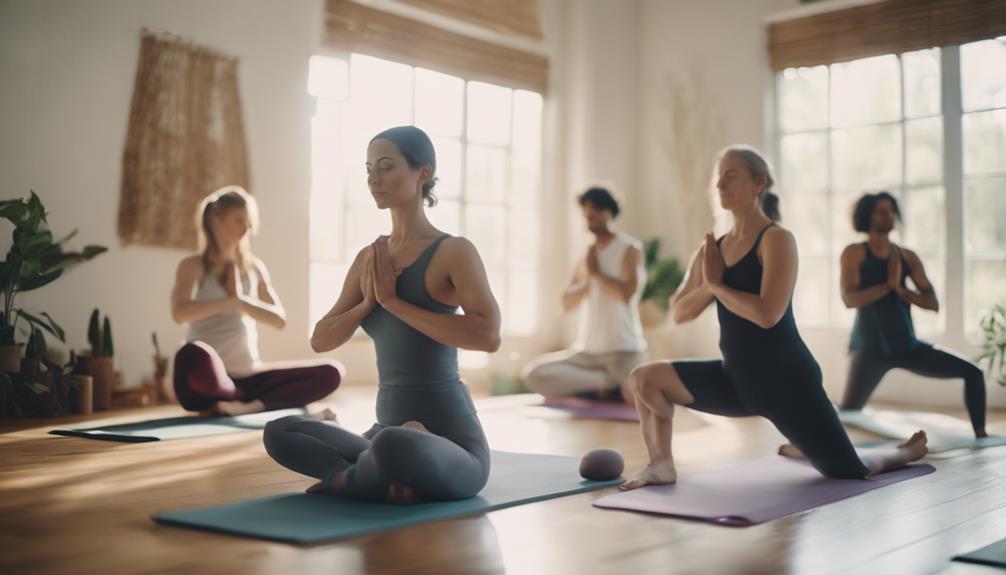
Mindfulness means paying attention to the present moment with curiosity rather than immediate judgment. Yoga naturally encourages this quality of attention. As you move through a posture, you can notice your breathing, muscle effort, balance, and physical sensations without treating them as problems to overcome.
This combination of movement and awareness can interrupt automatic, stress-driven reactions. Slower breathing and deliberate movement may help create a pause between what happens and how you respond. Over time, the skills practiced on the mat can support calmer transitions, clearer decision-making, and more awareness during ordinary activities.
Three foundations of a mindful yoga practice
Breath awareness
Let the breath provide a steady point of attention. Notice the natural rhythm of each inhalation and exhalation, including changes that occur when you move or hold a posture. There is no need to force deep breathing. If the breath becomes strained, ease the movement or return to a comfortable position.
Mindful movement
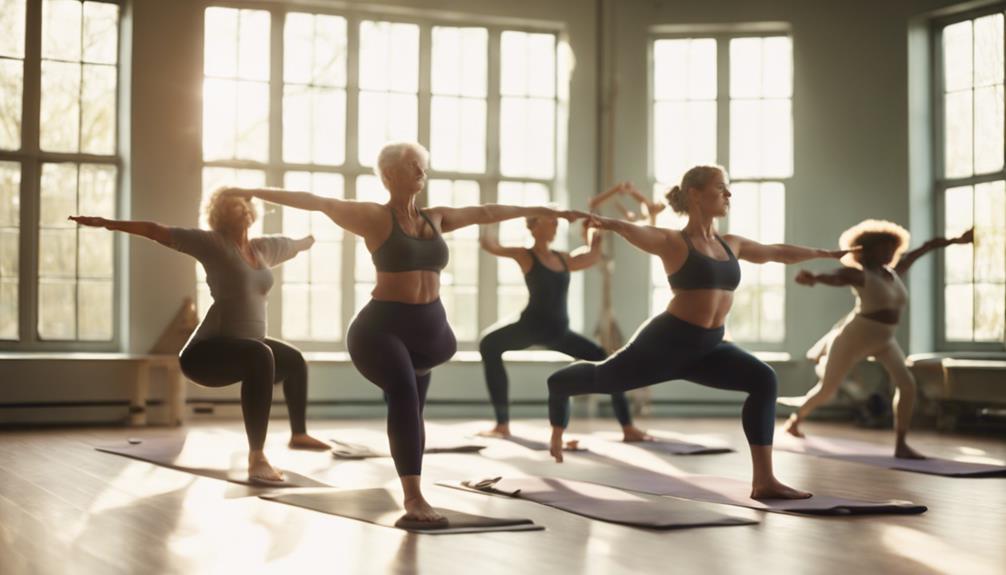
Move slowly enough to notice how each posture feels. Focus on steady, comfortable effort instead of achieving a perfect shape. Small adjustments, pauses, and modifications are all valid parts of practice. This approach can make yoga more accessible and helps you respond to physical signals before discomfort becomes pain.
Meditation and stillness
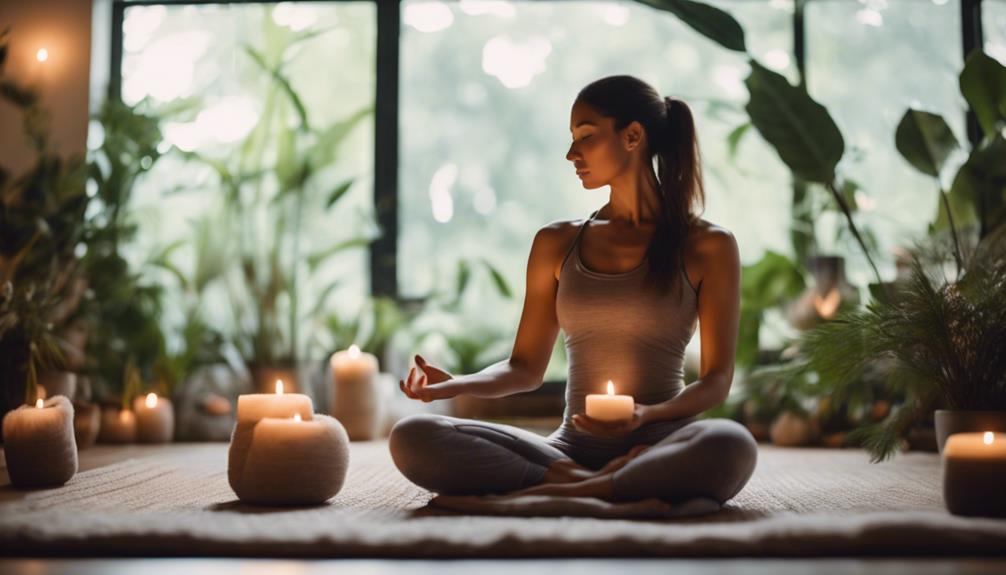
A mindful yoga session can end with a short period of stillness. Sit or lie comfortably and observe the breath, the sensations in the body, or sounds around you. When attention wanders, gently return to your chosen focus. The goal is not to empty the mind, but to practice returning without self-criticism.
Simple ways to practise during the day
Choose a routine that matches your energy and schedule. The following examples can be adapted to your experience and physical needs:
- Morning: Begin with gentle spinal movements, comfortable standing stretches, and a few steady breaths to prepare for the day.
- Midday: Take a short pause for shoulder and neck movements, a supported stretch, or several unhurried breaths between tasks.
- Evening: Use quiet floor-based postures, gentle forward movements, and relaxed breathing to transition away from the day.
- During stressful moments: Stop, feel your feet or the support beneath you, and take a few natural breaths before continuing.
A short practice is often easier to maintain than an ambitious plan. Ten to twenty minutes on many days may be more sustainable than an occasional long session. If you miss a day, simply resume when you can; consistency does not require perfection.
Building a sustainable home practice
Start by identifying what you want from yoga. Your aim might be stress management, improved mobility, better concentration, relaxation, or a more dependable personal routine. Choose a convenient time and a clear, comfortable space where you can practise without unnecessary interruptions.
Supportive equipment is optional, but cushions, folded blankets, blocks, or a chair can make positions more comfortable and stable. Include a mixture of gentle strength, mobility, breathing, and restorative work rather than repeating movements that leave you excessively fatigued. A brief journal can also help you notice how your mood, energy, and body feel before and after practice.
Safety and sensible modifications
Yoga should feel challenging at times, but sharp pain, numbness, dizziness, or breathlessness are signals to stop and reassess. Avoid competing with other people or pushing toward a posture simply because it is shown in a photograph. A qualified instructor can help you learn unfamiliar movements and adapt them to your needs.
If you have a recent injury, a significant medical condition, cardiovascular concerns, or severely elevated blood pressure, seek advice from a healthcare professional before starting or changing a yoga programme. Pregnancy and other individual circumstances may also require specific modifications. Props, a chair, slower pacing, and a smaller range of motion can make practice safer and more approachable.
Taking mindfulness beyond the mat
The benefits of a mindful practice are not limited to the time spent exercising. Try applying the same attention to daily transitions. Before replying to a difficult message, pause and notice one or two breaths. While walking, feel the contact of your feet with the ground. During a stressful conversation, observe tension in your shoulders or jaw and soften it if possible.
These small pauses can help you recognise stress earlier and respond more intentionally. With patience and regular practice, yoga can become a flexible tool for caring for your body, settling your attention, and creating more space for balanced choices.
Related Guides
- Breathing Techniques For Calming
- Breathing Techniques To Release Trauma
- Breathwork Add
- Breathwork Session
- Can You Train Your Lungs To Hold Your Breath Longer
- Deep Breathing Exercises For Heart Palpitations
- Deep Breathing Exercises For Lowering Blood Pressure
- Diaphragmatic Breathing
- Does Exercise Help Shortness Of Breath
- Exercises To Reduce Stress And Anxiety
- Exercises To Relieve Stress
- How Breathing Helps Anxiety
- Lung Exercises
- Meditation Breathing Exercises
- Panic Attack Exercise
- Relax Yoga
- Resting Yoga Positions
- Spiritual Yoga
- Travis Eliot Yoga
- What Advice Would Enable A Client To Breathe Properly
- Yoga And Meditation App
- Yoga And Mood
- Yoga Anxiety
- Yoga For Breath Control
- Yoga For Depression
- Yoga For Inner Peace
- Yoga For Panic Attacks
- Yoga For Seasonal Affective Disorder
- Yoga Poses For Stress And Anxiety
- Yoga Relaxation Techniques