Searching for Bikram yoga near me can lead to several different types of heated yoga classes. Before choosing a studio, it helps to understand what makes Bikram Yoga distinctive, what a first class is like, and which questions can help you find a safe, welcoming fit. Compare heated practices with other approaches when you explore yoga styles that match your goals and preferences.
What makes Bikram Yoga different?
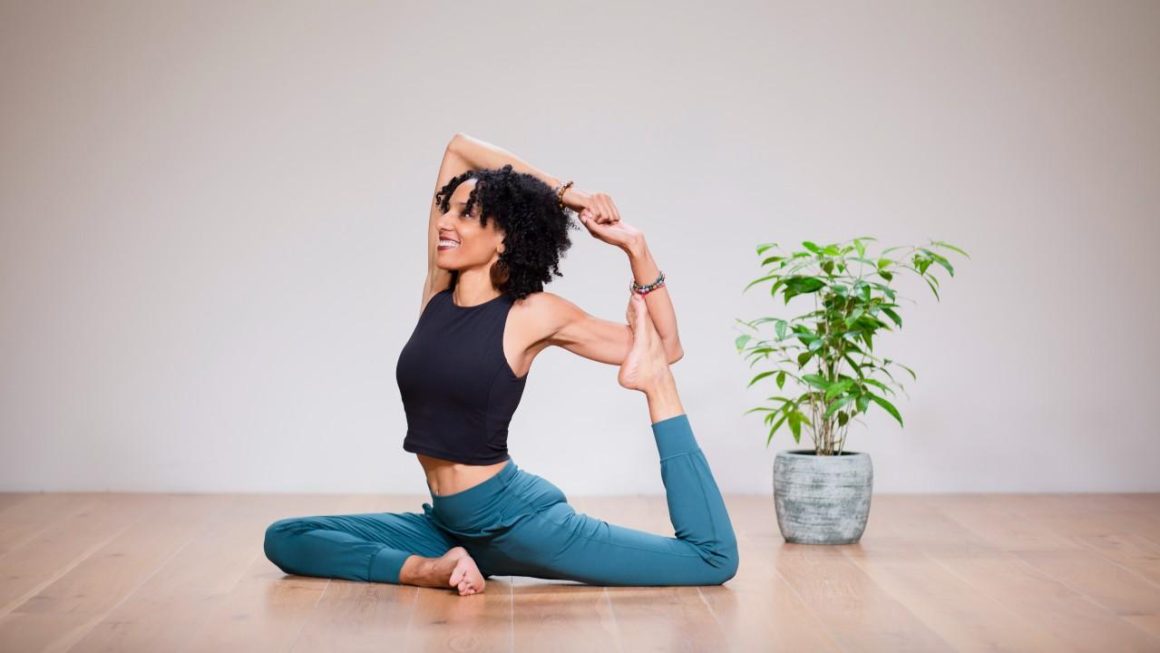
Bikram Yoga follows a set sequence of 26 postures and two breathing exercises in a heated room. Traditional classes are generally 90 minutes long, with the same series taught in the same order each time. This predictable format appeals to people who prefer a structured practice and want to observe gradual changes in balance, mobility, strength, and concentration.
The heat is an important part of the experience, but it should not be confused with every class marketed as “hot yoga.” Hot yoga is a broad term that may describe many styles, including classes with changing sequences, flowing transitions, or different room temperatures. If you want the traditional Bikram sequence, confirm the class format with the studio before booking.
Potential benefits and realistic expectations
A regular practice can challenge your muscular endurance, balance, coordination, and ability to remain focused under demanding conditions. The warm environment may make movement feel different from practicing at room temperature, but heat does not make every posture automatically safer or deeper. Progress depends on controlled movement, appropriate alignment, rest, and consistent instruction.
Many students also value the mental discipline involved in completing a fixed sequence. Concentrating on breathing and staying present can make the class feel meditative as well as physically demanding. Individual experiences vary, so approach the practice as a way to explore your fitness and wellbeing rather than as a guaranteed solution for a particular health concern.
What to expect in your first class
A Bikram class can feel intense, especially if you are not accustomed to exercising in heat. Arrive early enough to complete registration, ask questions, and settle into the studio. The teacher will explain the sequence and provide guidance, but you are responsible for paying attention to your own limits.
- Wear lightweight clothing that allows unrestricted movement and can handle heavy sweating.
- Bring water and follow the studio’s rules about hydration and personal items.
- Use a towel and mat if the studio requires them, or ask whether rentals are available.
- Rest when necessary instead of forcing a posture or competing with other students.
- Tell the instructor before class about relevant injuries, medical conditions, or concerns.
Stop and seek assistance if you feel faint, confused, unusually weak, or unwell. People with health conditions, those who are pregnant, or anyone unsure whether intense heat is appropriate should consult a qualified healthcare professional before attending. While searching for local Bikram classes, explore yin yoga benefits to balance intense heat with restorative stretching.
How to choose a Bikram studio near you
A map search is a useful starting point, but a few additional checks can help you compare studios. Look for clear information about class length, room conditions, beginner guidance, pricing, and what equipment you need to bring. Reviews may offer clues about cleanliness, teaching style, and the overall atmosphere, although your own visit will provide the best impression.
Before signing up, consider asking:
- Does the class follow the traditional 26-posture and two-breathing-exercise sequence?
- Are first-time students given an orientation or specific preparation advice?
- What are the studio’s policies for hydration, breaks, late arrivals, and cancellations?
- Are instructors trained to offer clear alignment guidance and appropriate modifications?
- Is there a beginner, introductory, or drop-in option?
Some search results may use phrases such as “hot yoga cerca de mí” or “hot yoga near me.” These can help you locate nearby classes, but the wording alone does not confirm that a studio teaches Bikram Yoga. Check the class description or contact the studio directly.
Bikram Yoga compared with other styles
Choose Bikram Yoga if you value repetition, a fixed progression, and a heated setting. Vinyasa classes typically place more emphasis on flowing transitions and varied sequencing. Yin yoga usually involves slower, longer-held postures and a less physically vigorous approach. Other hot yoga classes may combine heat with power yoga, mobility work, or creative sequences.
Trying an introductory class in more than one style can help you decide what suits your goals, schedule, and comfort level. The best choice is not necessarily the most demanding class; it is the practice you can approach consistently and safely.
Starting a sustainable practice
If you are new to heated exercise, begin gradually rather than committing to frequent classes immediately. Focus on breathing, listening to your body, and learning the sequence. Keep notes on how you feel during and after class, and give yourself adequate recovery time between sessions. A supportive studio should welcome questions, respect individual limits, and make it clear that resting is part of responsible practice.
With a careful introduction and the right studio, finding Bikram yoga near you can become the beginning of a structured routine that challenges both concentration and physical endurance.