Free live Zoom yoga classes make it possible to practise with an instructor and other students without travelling to a studio. They can be a useful way to try different yoga styles, learn basic techniques, and create a regular routine at home. Because each class is taught in real time, you can also experience the structure and accountability of a scheduled session rather than relying only on recorded videos. Free live Zoom yoga classes make it easy to explore different practices and find a style that suits you.
Why choose a live online yoga class?
Live classes offer a middle ground between practising alone and attending an in-person studio session. The teacher can demonstrate poses, give verbal alignment cues, suggest easier variations, and respond to questions when the format allows. Seeing other people practise can also make it easier to stay focused and attend consistently.
Free sessions are particularly helpful when you are comparing instructors or deciding which style suits your needs. You can explore different approaches before paying for a course or membership. However, “free” classes vary in quality and format, so it is worth checking the class description, instructor information, registration process, and any technical or participation requirements before joining.
Yoga styles you may encounter
Online schedules often include several styles, each with a different pace and purpose:
- Hatha yoga: Often gives more time to explore individual poses, breathing, and alignment.
- Vinyasa yoga: Links movement with breath in a flowing sequence and may range from gentle to physically demanding.
- Yin yoga: Uses longer-held poses and a slower pace, usually with an emphasis on stillness and mobility.
- Restorative yoga: Uses supported, comfortable positions to encourage relaxation.
- Power yoga: Typically involves a more energetic sequence and may place greater demands on strength and stamina.
- Beginner classes: Introduce foundational positions, basic terminology, breathing, and common modifications.
Class names do not always guarantee the same experience. A beginner flow with one teacher may be more vigorous than a beginner class with another, so read the description and start cautiously if you are unfamiliar with the instructor.
How to select a suitable class
Begin with your goal and current experience. If you want to learn the fundamentals, choose a class that clearly identifies itself as beginner-friendly and includes explanations rather than moving rapidly from pose to pose. For mobility and relaxation, look for gentle, yin, or restorative sessions. If you are seeking a workout, a stronger vinyasa or power class may be appropriate, provided you can modify movements and maintain good control.
Also consider practical details such as:
- Class length and whether it fits comfortably into your schedule
- The instructor’s teaching style and clarity of instructions
- Whether modifications are offered for different experience levels
- Whether participants are expected to keep cameras or microphones on
- Any replay, handout, or registration information supplied by the organiser
Trying several classes can help you find a pace, voice, and sequence style that feels sustainable. A class that is popular or physically challenging is not automatically the best choice for every practitioner. Explore a free yoga trial after joining these live Zoom classes.
Preparing for a Zoom yoga session
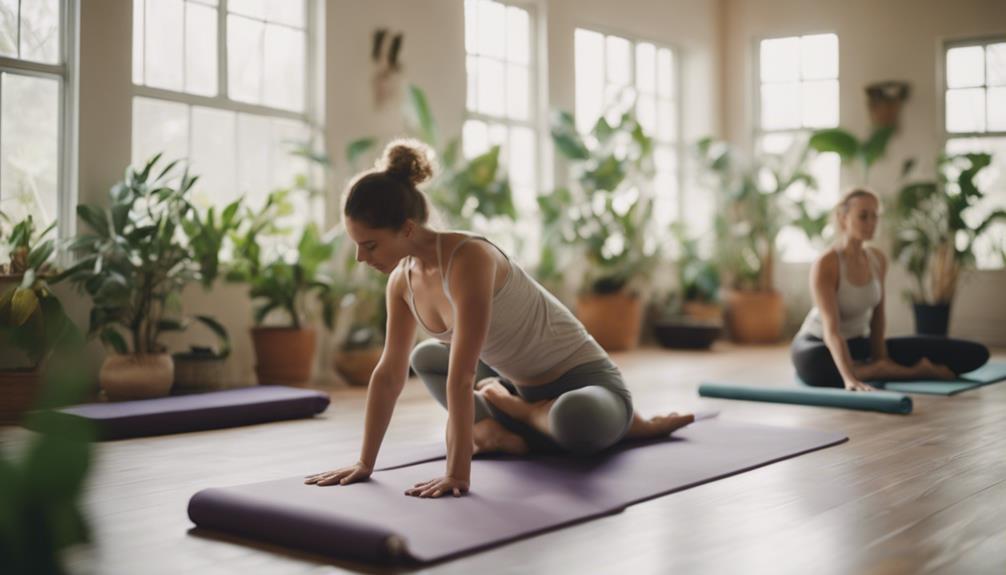
Set up a clear, reasonably quiet space where you can extend your arms and legs without hitting furniture. A yoga mat is useful, but a non-slip surface can work for some movements. If available, keep a strap, belt, cushions, or blocks nearby. Household alternatives should be stable and comfortable; do not use objects that may slide or collapse under your weight.
Place your device where the instructor can demonstrate clearly and, if feedback is offered, where your full body may be visible. Test the audio before class, charge the device, and join a few minutes early if registration or a meeting link is required. Internet interruptions can happen, so listen carefully to your own body rather than trying to keep up at all costs when the screen freezes or instructions are missed.
Advice for beginners
Start with shorter sessions and focus on learning the movements instead of achieving a particular depth or shape. Yoga should not require you to force a stretch. Reduce the range of motion, rest in a comfortable position, or skip a movement if it causes sharp pain, dizziness, numbness, or unusual discomfort.
If you have an injury, a medical condition, or specific physical limitations, consider asking a qualified healthcare professional whether a particular type of exercise is suitable. Tell the instructor about relevant concerns when appropriate, while remembering that a group Zoom class cannot replace individual assessment or hands-on supervision.
Building a consistent home practice
Choose a realistic schedule rather than promising yourself a demanding daily routine. One or two live classes each week can provide structure, while gentle independent practice or recorded material can fill the gaps. You might reserve an energetic class for days when you have more time and use a slower session for evenings or recovery days.
Keep track of the classes you enjoy, the modifications that help, and how your body feels afterward. Over time, this simple record can guide you toward instructors and styles that support your goals. Whether you want to improve mobility, develop strength, practise breathing, or create a calming ritual, free live Zoom yoga classes can offer an accessible starting point when chosen thoughtfully and practised with care.