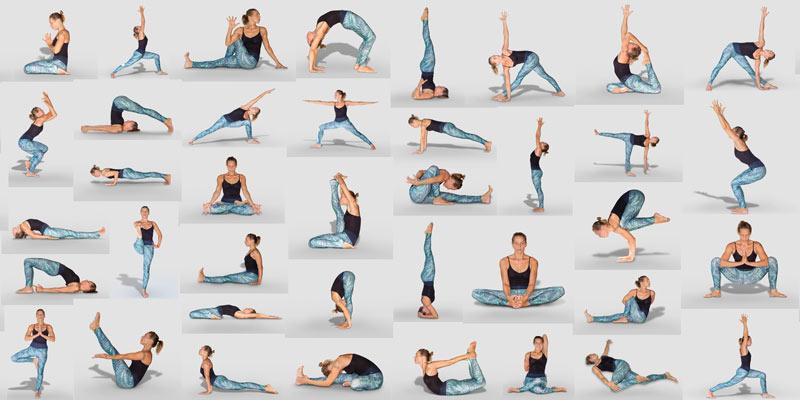

Hot yoga in San Antonio offers a more intense variation of traditional yoga by combining movement, breathing, and a heated studio. The warmth can make a class feel very different from standard room-temperature yoga, especially in a city where outdoor temperatures may already be high. Whether you are interested in a structured Bikram-style practice, a flowing Vinyasa class, or a strength-focused session, understanding the format and preparing properly can help you choose a sustainable practice. Exploring different yoga styles can help San Antonio practitioners choose the right practice for hot yoga goals.
What makes hot yoga different?
Hot yoga is a broad term for yoga practiced in a heated room. Temperature and humidity vary by studio and class, so it is worth checking the description before booking. Some classes are held in moderately heated rooms, while others use temperatures around or above 100 degrees Fahrenheit.
Heat increases the physical demand of a class and may make your muscles feel more flexible. However, that sensation can also make it easier to stretch beyond a comfortable range. Good instruction, controlled breathing, and careful attention to alignment matter more than trying to achieve a deeper pose. The room may also affect your stamina, balance, and ability to recover between sequences.
Hot yoga styles you may encounter
Studios and fitness facilities use different names for heated classes. Reviewing the class description can help you select an option that matches your experience and goals.
- Bikram-style yoga: A highly structured practice based on a set sequence of postures and breathing exercises. The predictable format may appeal to students who prefer repetition and consistency.
- Heated Vinyasa: A flowing class that links movement with breath. Sequences, pace, and room temperature can vary considerably between teachers.
- Hot power yoga: A more vigorous format that may emphasize strength, endurance, standing poses, and continuous movement.
- Heated Yin or restorative classes: Slower practices that use longer holds or supported poses. Even at a gentler pace, the heat can add to the overall physical demand.
If you are new to heated exercise, a beginner class or slower format is often a more manageable starting point than an advanced power session.
Potential benefits and important limitations
Many people enjoy hot yoga because it combines physical challenge with a focused, distraction-free environment. A regular practice may support mobility, strength, balance, cardiovascular conditioning, and body awareness, depending on the style and intensity. The combination of steady breathing and sustained concentration can also leave some students feeling calmer after class.
Sweating is a normal response to heat, but it should not be treated as proof that the body is removing toxins or receiving a greater benefit. More sweat does not necessarily mean a better workout. Heat can also increase the risk of dehydration, overheating, dizziness, and nausea, particularly when a person is not acclimated or arrives already dehydrated.
Talk with a healthcare professional before starting hot yoga if you have a medical condition affected by heat or exertion, including heart or blood-pressure concerns. Pregnancy and medications that affect hydration or temperature regulation are also reasons to seek individual medical advice. Tell the instructor about relevant limitations before class. San Antonio hot yoga enthusiasts can deepen their practice through CorePower teacher training and mindful teaching techniques.
How to prepare for a class in San Antonio
- Drink water regularly before class rather than waiting until you feel thirsty. Bring a bottle and follow the studio’s policies on fluids.
- Wear lightweight, breathable clothing that allows unrestricted movement. Avoid overdressing because the room will become warmer as class continues.
- Bring a yoga mat, a large towel for traction or sweat, and a second towel if desired. Confirm whether the studio rents or provides equipment.
- Arrive early enough to check in, set up, and become comfortable with the room. Ask about the expected temperature, class pace, and available modifications.
- Eat lightly before class if needed, avoiding a large meal immediately beforehand.
San Antonio’s outdoor warmth can compound the effects of an indoor heated class. Plan time to cool down afterward, drink fluids gradually, and avoid rushing straight into strenuous outdoor activity if you feel overheated.
During class: listen to your body
Work at a level that allows you to breathe steadily. Take breaks whenever necessary, and use the instructor’s modifications instead of forcing a pose. Feeling challenged is expected; feeling faint, confused, unusually weak, nauseated, or short of breath is a reason to stop. Leave the heated room and seek assistance if symptoms do not quickly improve.
Do not compare your practice with students who have more experience. A shorter range of motion, a slower transition, or a resting position can be the appropriate choice on any given day.
Choosing a San Antonio hot yoga studio
Look for clear information about class temperature, duration, intensity, equipment, and first-time-student requirements. A quality studio should maintain a clean practice space and provide instructors who explain safety considerations, demonstrate options, and welcome questions.
Trial classes or introductory packages can help you compare teaching styles and formats before committing. Consider whether the schedule, location, class size, ventilation, and studio policies fit your routine. The best class is not necessarily the hottest or most demanding one; it is the one you can attend consistently while recovering well.
Build a sustainable practice
Hot yoga can be a rewarding part of a broader fitness routine when approached gradually. Begin with classes suited to your experience, allow recovery between demanding sessions, and balance heated practice with other forms of movement. With sensible preparation and attention to your body’s signals, you can explore hot yoga in San Antonio without making intensity the only measure of progress.